How a Solo Mobile Welder in El Centro Turned a Trusted Local Marketplace Into Harvest Retainers
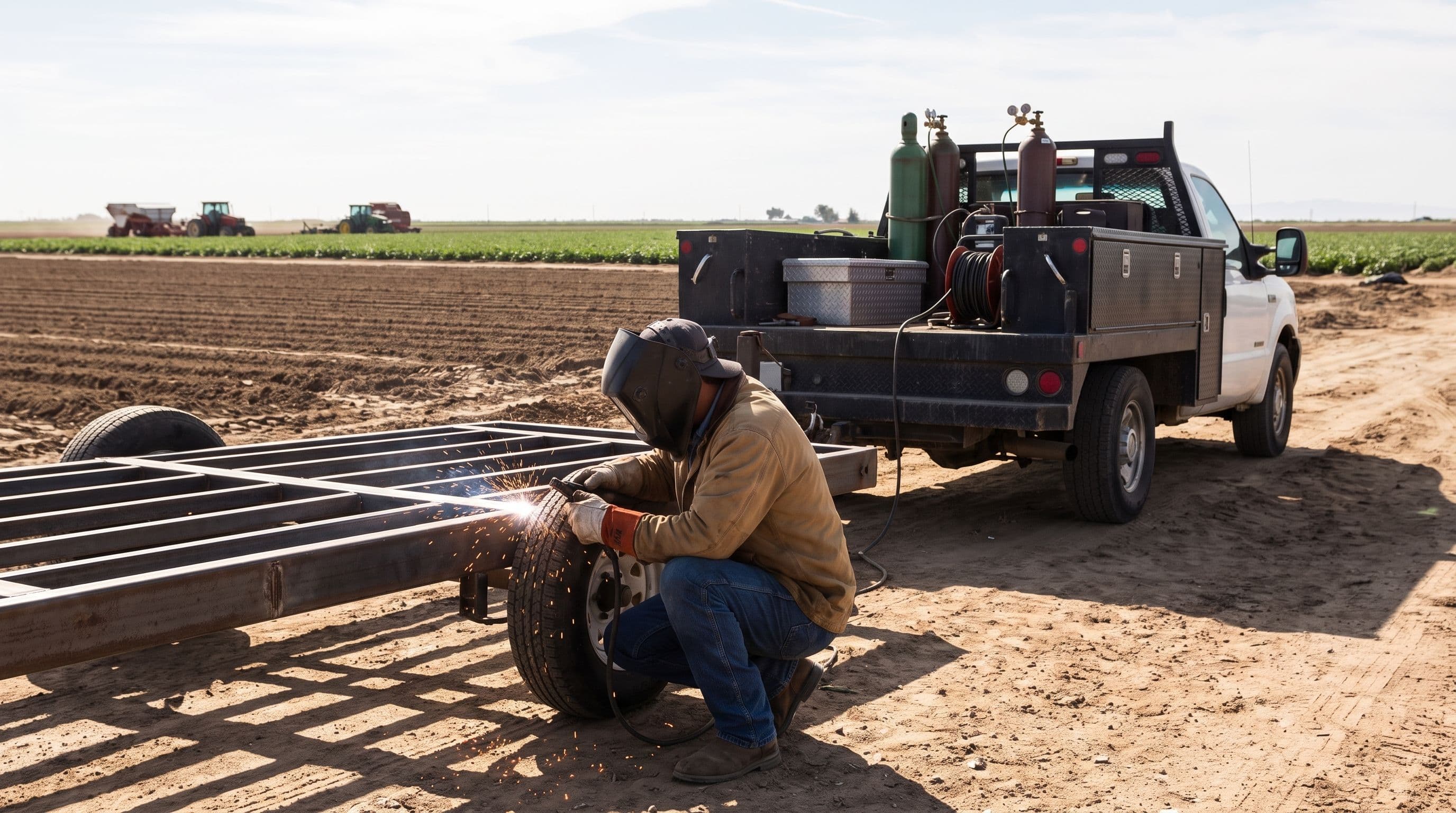
A solo mobile welder in El Centro does not lack for work when a trailer hitch snaps or a piece of irrigation equipment cracks in the middle of harvest. The problem is that emergency jobs come and go. One week the phone rings off the hook, the next week it is silent. That feast-or-famine rhythm is exhausting, and it makes planning almost impossible. The welders who escape it are not the ones with the fanciest rigs. They are the ones who learn to convert a single trusted introduction on a local marketplace into a relationship that lasts through the next harvest and the one after that.
This article is not a play-by-play of one person's success. It is about the strategy underneath it: why trust is the currency that matters most in mobile service work, how local marketplace platforms put you in front of the right customers, and how a handful of one-time repairs can quietly become a retainer that pays the bills whether or not a new lead ever comes in. The searches spiking around big matchups like Brasil x Noruega and Flamengo x Estudiantes show how much attention flows to a name people already trust, and the same principle drives referrals in a small farming town.
If you weld for a living and you are tired of chasing the next job, the ideas below are meant to be copied. None of them requires a marketing budget or a slick website. They require consistency, follow-up, and a willingness to treat every first job as the start of something rather than the end.
Why Local Marketplace Trust Matters
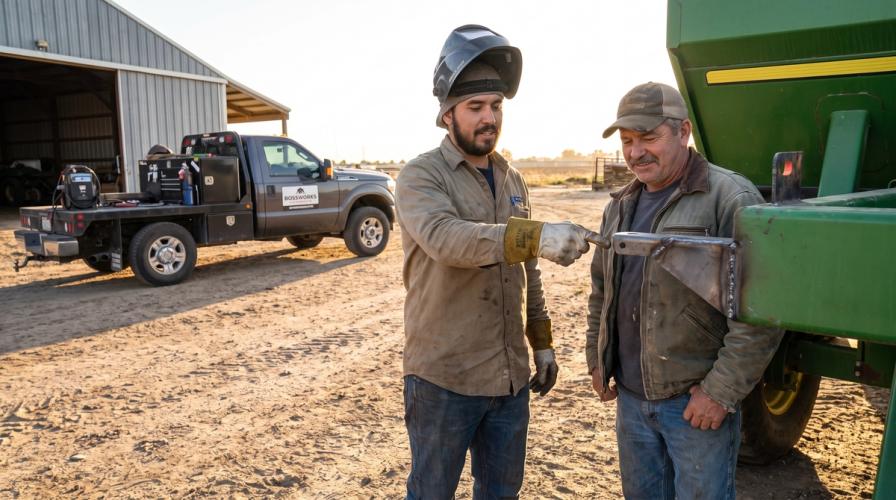
When a rancher or a contractor hires a mobile welder, they are handing over a piece of equipment they depend on, and they are letting a stranger onto their property with an open flame. That is a nervous decision. Customers scan for signals that you are safe, reliable, and fair before they ever message you. Reviews from neighbours, a quick and clear reply, transparent pricing, and professional communication all reduce the fear of hiring the wrong person. Those signals do more heavy lifting than any advertisement, because they answer the quiet question every buyer is asking: can I count on this person?
Trust is also more durable than a low price. If you win a job only because you were the cheapest bid, the next cheaper welder takes that customer away just as easily. If you win because a customer trusts you to show up on time and fix the problem right, price stops being the whole conversation. That is why competing on trust protects your margins in a way that competing on price never can. The table below compares what each trust signal actually communicates to a cautious buyer.
| Trust signal | What the customer reads into it |
|---|---|
| Recent reviews | Other locals took the risk and it worked out |
| Fast response | This welder is organized and actually available |
| Clear upfront pricing | No surprise invoice waiting at the end |
| Professional messages | Someone who treats the work like a business |
Building these signals is slow at first and then compounding. The first five reviews are the hardest to earn, but once a profile shows a steady pattern of satisfied customers, new buyers stop hesitating. Every good interaction adds to a reputation that keeps working while you are busy under a truck with a grinder in your hand.
For a deeper breakdown, check out all you need to know about starting a freelance business.
Getting Found by the Right Customers
Local marketplace platforms connect nearby customers with local service providers. For a mobile welder in El Centro, this can mean reaching farms, equipment yards, fabrication shops, and property owners when they actually need help.
A strong profile should clearly show:
- ●Services offered: Aluminium repair, structural steel, on-site fabrication, emergency welding, and other specialities.
- ●Service area: Mention the locations you cover and how far you are willing to travel.
- ●Pricing: Give a starting price or general range when possible.
- ●Work photos: Add clear before-and-after photos that show the quality of your welding.
- ●Customer reviews: Positive reviews help new customers feel more comfortable choosing you.
- ●Response time: Reply quickly, especially when customers have urgent repair needs.
Your marketplace profile is basically your digital storefront. The clearer and more professional it looks, the easier it is for a new customer to trust you, even if you are not the cheapest option.
Read More | Solo Trailer Hauler in Boise Becomes a Go-To Equipment Transport Vendor for Contractors.
Turning One-Time Jobs Into Repeat Business
Completing the first job well is only the beginning. A clean weld and an honest invoice can earn you the customer's next call. A simple follow-up a few weeks later can also keep you top of mind and show that you care about the result.
Recurring welding needs are common across many customers:
- ●Property owners: Fences, gates, railings, and trailers
- ●Contractors: Steel repairs and job-site welding
- ●Businesses: Racks, carts, and loading equipment
- ●Equipment owners: Agricultural equipment and recurring repairs
Each successful job can become an opportunity for repeat business when you stay in touch and provide reliable service.
The table below shows how a single first job can naturally open into ongoing work if you follow up instead of walking away.
| First job | The recurring opportunity behind it |
|---|---|
| Fix a cracked trailer frame | Seasonal inspections before every haul |
| Repair a broken gate hinge | Standing fence and gate maintenance |
| Weld a cracked implement bracket | Pre-harvest equipment check across the fleet |
| Patch a loading dock rail | Quarterly safety repairs for the business |
The mindset shift is small but powerful. Instead of asking how to find the next customer, ask how to keep the one you just earned. One steady relationship with a farm that runs dozens of pieces of equipment can be worth more than a dozen strangers who each call once.
Want to start a Retail business? Plan it with a trending Retail business plan.
Building a Simple Retainer Model
A retainer can be a simple agreement where a customer pays for regular welding services at a predictable fee. For a mobile welder, this could include:
- ●Monthly visits: Inspect and repair equipment regularly.
- ●Seasonal service: Prepare farm equipment before busy periods.
- ●Priority service: Give businesses faster help when something breaks.
Scheduled agreements make revenue easier to plan. They can also include:
- ●Regular inspections
- ●A set number of repair hours
- ●Discounts on larger repairs
- ●Guaranteed response times
The key is predictability. Customers get reliable service, while the welder gets more consistent work and revenue.
Here is a simple way to picture how recurring service compares to relying only on one-off jobs.
| Approach | Revenue pattern | Effort to sustain |
|---|---|---|
| One-off emergency jobs | Unpredictable, spiky | Constant lead chasing |
| Follow-up repeat calls | Somewhat steady | Light relationship upkeep |
| Scheduled retainer | Predictable, recurring | Deliver consistently, renew |
Repeat customers are almost always cheaper to keep than new ones are to find. You already know their equipment, their site, and their expectations, so each job goes faster and smoother. That efficiency, combined with predictable income, is why a handful of solid retainers can stabilize a business that used to swing wildly from week to week.
What Mobile Welders Should Track
You cannot improve what you do not measure. A simple notebook or spreadsheet can help you understand what is working and where you are losing opportunities.
Track these numbers:
- ●Marketplace leads: How many inquiries you receive.
- ●Booked jobs: How many leads become paying customers.
- ●Repeat customers: Track returning customers separately from first-time customers.
- ●Average job value: See whether you are getting small repairs or larger projects.
- ●Reviews: Keep track of new reviews to measure customer trust.
- ●Recurring revenue: Track the income coming from regular service agreements.
Review these numbers once a week. If recurring revenue is growing, you are building a more predictable business. If it is not, it may be time to focus more on repeat customers and retainers.
Read More | AB5 Contractor Law in LA: What Businesses Still Get Wrong in 2026.
Common Mistakes to Avoid
Some common mistakes can make it harder for mobile welders to build repeat business:
- ●Competing only on price: Focus on reliability, quality work, and fast service instead of being the cheapest option.
- ●Ignoring messages: Respond quickly because customers may contact several welders at the same time.
- ●Not asking for reviews: Ask satisfied customers for a review after completing the job.
- ●Skipping follow-ups: Check in after the job to stay connected and encourage repeat business.
- ●Overpromising: Be honest about your skills and timelines. It is better to under-promise and deliver more than to damage customer trust.
A Simple Growth Plan
Growth for a solo welder is a step-by-step process. Start by improving your local marketplace profile with:
- ●Clear services
- ●Real work photos
- ●Honest pricing
- ●Reliable response times
Then focus on delivering great work and building positive reviews. After each job, follow up with customers and encourage repeat bookings.
As repeat work grows, offer simple recurring services to customers such as:
- ●Equipment inspections
- ●Seasonal maintenance
- ●Gate and fence repairs
- ●Regular business or farm equipment service
Track which services bring the most repeat customers and focus more on those.
The goal is simple: build trust, stay consistent, and turn one-time jobs into recurring revenue.
Final Thoughts
A mobile welding business does not need constant new leads to grow. A strong local presence, reliable service, and regular follow-ups can turn first-time customers into long-term clients.
The biggest opportunity is to build relationships with customers who already have recurring welding needs. By offering scheduled maintenance, seasonal services, or priority support, a solo welder can create steadier work and more predictable income.
Ready to Get Started?
Starting an equipment transport business is possible with the right planning and a clear understanding of your service area, equipment limits, operating costs, pricing, and contractor needs. A practical plan can help you avoid costly mistakes and build a service that is easier to manage and grow.
That is where BossWorks comes in. We help you create a complete business plan tailored to your business, covering startup costs, equipment needs, permits, pricing, operations, customer acquisition, and long-term growth strategies.
Frequently Asked Questions
Create a complete profile with clear services, photos, reviews, pricing, and fast responses.
It is a recurring agreement where customers pay for regular or priority welding services.
Provide quality work, follow up with customers, and offer recurring services.
Trust builds loyalty and helps you avoid competing only on low prices.
Track leads, booked jobs, repeat customers, reviews, average job value, and recurring revenue.