How to Start a Mobile Ice Cream or Dessert Truck Business in El Paso, TX: Permits, Truck Costs, and Real Route Math
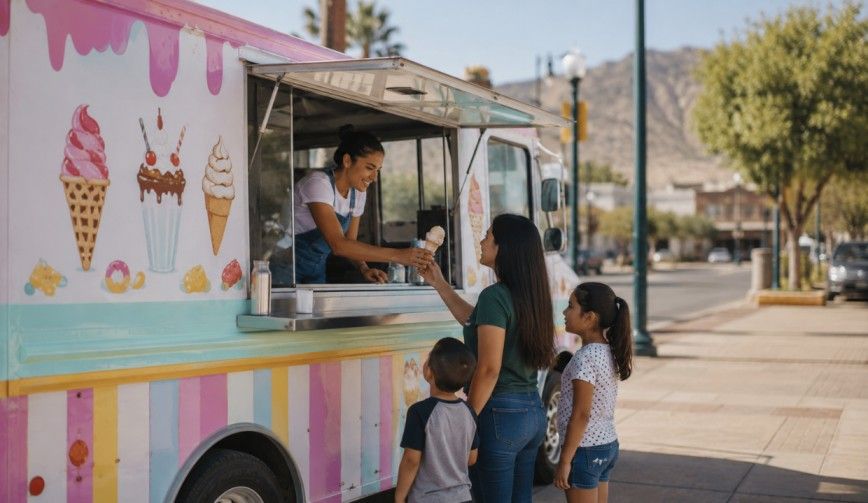
So you want to sell ice cream out of a truck in El Paso. Good news first: the warm, sunny weather here practically begs for it. The less fun news is that before you hand anyone a paleta or a soft serve cone, you need to sort out some paperwork.
Do not worry, it is simpler than it sounds. This guide breaks down the mobile food vendor permit you need, what a truck really costs, and how to do the math so your route actually makes money.
Why El Paso Is a Smart Place to Start

El Paso has a lower cost of living than most big Texas cities. That means cheaper rent, insurance, and daily running costs than Houston or Austin. The weather stays warm almost all year, so you are not stuck with a short four-month season like truck owners in colder states.
There is also Fort Bliss, one of the largest Army bases in the country, next to thousands of military families who love a treat truck rolling by. El Paso also has fewer food trucks fighting for space than Austin or Dallas, so it is easier to find a good spot.
Step One: Get Your Permits in Order
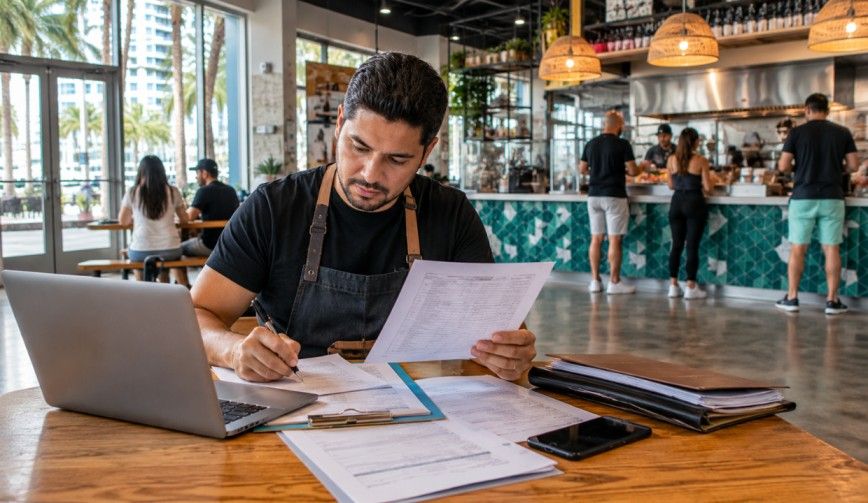
A food truck permit is simply the city and state telling you that your setup is safe enough to sell food to people. In El Paso, an ice cream or dessert truck needs a few different approvals. Here is the full list in one place.
| Permit or Step | Who Issues It | Typical Cost | Time Needed |
|---|---|---|---|
| Commissary agreement (a licensed commissary kitchen) | Private kitchen owner | $250 to $600 per month | 1 to 2 weeks |
| City of El Paso Mobile Food Vendor Permit | Environmental Services | $150 to $300 per year | 2 to 3 weeks |
| Texas DSHS statewide license (new rule from July 1, 2026) | Texas Department of State Health Services | About $258 per year for a dessert-type truck | 2 to 4 weeks |
| Fire safety inspection | El Paso Fire Marshal | Usually low cost for cold-serve trucks | 1 to 2 weeks |
| Business registration | City Clerk's office | $50 to $100 per year | 1 to 2 weeks |
| Sales tax permit | Texas Comptroller | Free | 1 to 3 days |
| Food manager certification | State-approved exam | $35 to $75 | 1 to 2 days |
| General liability insurance | Any insurance broker | $600 to $2,000 per year | A few days |
A quick word on a few of these:
- ●Your commissary kitchen is where you store food, clean equipment, and dump wastewater. It must have its own valid permit and a health score of 85 or higher. Ask to see that score before you sign anything.
- ●The city mobile food vendor permit is your main local permit. You apply at the One Stop Shop on Texas Avenue with your commissary letter, menu, equipment list, and proof of insurance. The city will then inspect your truck.
- ●Starting July 1, 2026, Texas is switching to one statewide food truck license. Once you have it, it works in every Texas city, not just El Paso. This is a big win if you ever want to take your truck to another city for an event.
- ●Ice cream and dessert trucks usually skip the costly fire suppression system that hot food trucks need, since there is no deep frying or open flame. That alone can save a few thousand dollars.
Add it all up, and your first year of food truck compliance cost, including a full year of commissary rent, usually lands between $4,000 and $12,000. This does not include the truck itself. The whole process, start to finish, takes about four to eight weeks. Commissary agreements and fire inspections tend to take the longest, so start those early.
One more honest note. Having all your permits does not mean you can park anywhere. Food truck parks and brewery lots are usually easy once you have permission from the owner. Selling right on Fort Bliss needs separate military approval that can take months. A faster option is parking in the neighborhoods just off base, where the same families live.
Step Two: Pick the Right Truck for Your Budget
This is where many new owners either spend too much or too little, so let us keep it simple.
| Option | Typical Cost | Best For |
|---|---|---|
| Used truck, ready to go | $30,000 to $60,000 | Most first-time owners |
| New, custom-built truck | $65,000 to over $150,000 | Owners who want full control and a warranty |
| Dessert trailer (towed, not driven) | $30,000 to $55,000 | Tight budgets or a fixed location |
If you buy used, always ask for service records and get a full inspection first. A lower price is only a good deal if the truck actually runs well.
You will also need equipment. A basic soft serve machine starts around $2,250. A batch freezer for scratch-made ice cream runs $3,500 to $15,000. A dipping cabinet for scoop-style ice cream adds a few thousand more. On top of your truck price, add another 15 to 20 percent for startup inventory costs like sales tax, your first stock of cones and toppings (about $1,000 to $3,000), and insurance down payments.
A realistic total for a first-time owner buying used, with equipment included, is between $45,000 and $80,000.
Step Three: The Real Route Math
This part gets skipped in most guides, but it decides whether your business survives its first summer.
Let us build a simple example using an average sale of $5. Your cost of goods (the actual ice cream, cups, and napkins) usually eats up 25 to 35 percent of that. Using 30 percent, your profit per sale is about $3.50.
Now for daily running costs:
- ●Fuel for city driving runs about $0.35 to $0.55 per mile
- ●A neighborhood route in El Paso might cover 25 to 40 miles a day
- ●At $0.45 a mile, a 35-mile day costs around $16 in fuel
- ●Commissary rent, spread across a 20 to 24 day working month, adds $12 to $30 per day
- ●Add insurance and a small maintenance fund, and daily overhead for a solo truck lands around $60 to $90
So here is your break-even math: if your fixed daily cost is $75 and your profit per sale is $3.50, you need about 22 sales just to cover the day. A busy family neighborhood on a warm afternoon can easily bring in 30 to 60 sales an hour. That means one solid two-hour stop can cover your whole day.
Use this simple checklist to plan your own route:
- Add up your daily fixed costs (fuel, commissary share, insurance share, maintenance fund)
- Work out your profit per average sale (sale price minus cost of goods)
- Divide fixed costs by profit per sale to find your break-even number
- Compare that to real foot traffic at different times of day
- Pick two or three strong stops instead of driving all over town for single sales
A good starting weekly route planning mix for El Paso looks like this: weekday afternoons in family neighborhoods on the Westside and near Fort Bliss, and weekend spots at a food truck park or brewery lot where people are already gathered.
A Few Honest Tips Before You Launch
- ●Never sign a commissary deal without checking the kitchen's health score yourself
- ●Do not expect quick access to Fort Bliss itself. Start with the neighborhoods around it instead
- ●If launching after mid-2026, apply for the city permit and the new state license together to avoid delays
- ●Pick a cold-serve dessert truck business on purpose. It saves money on fire equipment and El Paso's warm climate keeps demand strong almost all year
Starting a mobile dessert truck in El Paso takes real effort, but low costs, warm weather, and less competition make it one of the friendliest cities in Texas to try. Get your permits lined up, choose a truck that fits your real budget, and always run the numbers before you plan your route. After that, it is just scoops, sunshine, and regulars who know your jingle by heart.
Ready to Get Started?
Starting a Dessert Truck Business is doable — thousands do it every year — whereas the ones who make it work know their costs inside out and stay organised from day one.
That's where BossWorks comes in. We build a launch plan for your specific business and location, every step, every cost, every deadline.
Frequently Asked Questions
Most new owners spend between $45,000 and $80,000 total, including the truck, equipment, and first-year permits.
Yes, Texas law requires a signed agreement with a licensed commissary kitchen before you can get your permit.
Plan for about four to eight weeks from your first application to your first legal day of selling.
Not directly without separate military approval, but the neighbourhoods just off base only need your standard permits.
Usually yes, since cold-serve trucks skip the expensive fire suppression system that hot food trucks need.