How Entrepreneurs are Turning Food Trucks into Profitable Businesses in Austin
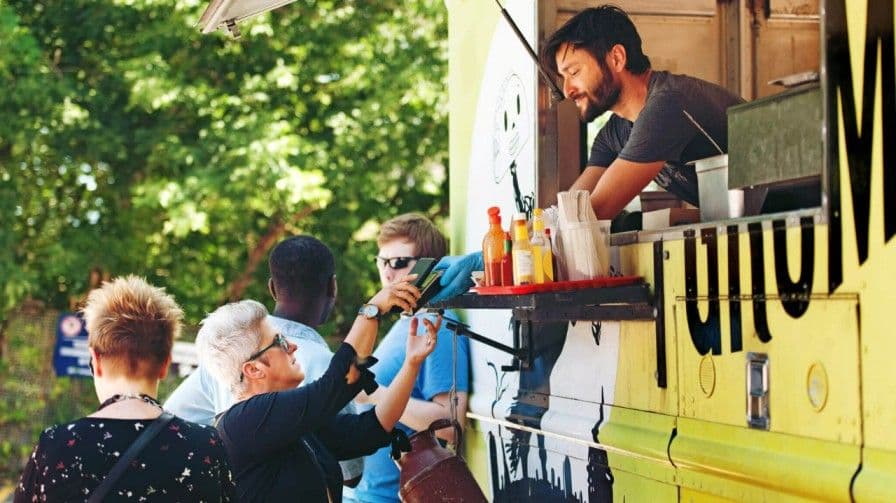
Austin is famous for its live music, festivals, and incredible food scene. One of the most exciting ways to join this vibrant culture is by starting a Food Truck in Austin. Unlike a traditional restaurant, a food truck lets you bring your culinary dreams directly to the streets, parks, and events.
While it sounds fun, turning that dream into a real source of income requires planning, effort, and smart decision-making. This guide will walk you through the journey from idea to income, explain why some food trucks fail, and share tips to make your venture thrive.
The Main Concept: How a Food Truck Works
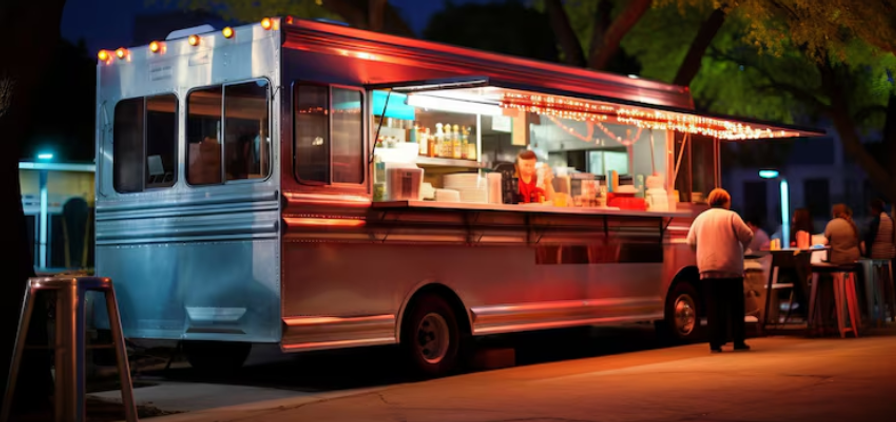
A food truck is essentially a mobile kitchen on wheels. It allows you to serve fresh meals to customers wherever there’s demand. This flexibility makes food trucks an attractive option for first-time entrepreneurs and experienced restaurateurs alike.
Why Choose a Food Truck?
- ●Lower Initial Investment – Opening a brick-and-mortar restaurant can cost hundreds of thousands. A truck is more affordable.
- ●Flexibility – You can move to where the crowds are, whether downtown, at a concert, or at a festival.
- ●Direct Customer Interaction – You get immediate feedback and can build loyal fans fast.
Steps to Start Your Food Truck in Austin:
1 . Pick Your Niche – Focus on a unique menu. Options like tacos, gourmet sandwiches, vegan bowls, or speciality desserts can stand out. Research local competition to see what’s missing.
2 . Plan Your Budget – Costs include:
Truck Purchase and Customisation: $30,000 – $70,000
Kitchen Equipment: $5,000 – $15,000
Permits and Licenses: $500 – $2,000
Initial Food Inventory: $1,000 – $2,000
Marketing and Branding: $500 – $2,000
Total Estimated Cost: $37,000 – $91,000
3 . Get Permits and Licenses – Austin requires:
- ●Mobile Food Vendor Permit from Austin Public Health
- ●Food Handler Permit for you and your staff
- ●Vehicle registration and inspection for your truck
- ●Event-specific permits if you plan to operate at festivals
4 . Buy or Customise Your Truck – Decide between a new or used truck. Equip it with stoves, fryers, grills, refrigerators, and storage areas. Make sure the layout supports a smooth workflow.
5 . Design Your Brand – Your truck’s design, logo, and social media presence are crucial. A visually appealing truck and strong online presence attract curious customers.
6 . Choose Locations and Events – High-traffic areas and events generate sales. Some popular options in Austin include:
- ●Downtown streets during lunch hours
- ●South Congress and Rainey Street
- ●Festivals like Austin City Limits
- ●Local farmers’ markets and food fairs
7 . Launch and Promote – Announce your opening on Instagram, Facebook, and local food apps. Offer small promotions to attract your first customers.
Why Some Food Trucks Fail
Even with a great idea, many food trucks don’t succeed. Common reasons include:
- ●Poor Planning – Skipping budget calculations or permits can stall operations.
- ●Low-Quality Food – Taste is everything. Inconsistent or bland food drives customers away.
- ●Limited Marketing – Simply parking your truck is not enough. Social media and community engagement matter.
- ●Bad Location Choices – Low foot traffic areas reduce daily sales.
- ●Ignoring Local Regulations – Violations can lead to fines or closure.
Tips to Improve and Grow Your Food Truck
Here’s how to turn your Food Truck in Austin into a profitable venture:
- ●Engage with Customers – Collect feedback, offer loyalty cards, and respond to online reviews.
- ●Track Finances – Record daily sales, expenses, and ingredient costs. Understanding your numbers helps improve profit margins.
- ●Collaborate with Events – Austin has food festivals, music events, and farmers’ markets that attract large crowds.
- ●Leverage Social Media – Post mouthwatering pictures of your dishes, announce locations, and share behind-the-scenes content.
- ●Consider Seasonal Menus – Adjust dishes according to seasonal ingredients to keep offerings fresh and unique.
- ●Expand Gradually – Once stable, you could add catering services, a second truck, or even a small restaurant location.
Daily Operations: What a Typical Day Looks Like
- ●Morning Prep – Load ingredients, prepare sauces, and check equipment.
- ●Service Hours – Park in a busy location, serve customers, and manage orders efficiently.
- ●Cleanup – Clean cooking equipment, restock supplies, and manage waste.
- ●Marketing & Engagement – Update social media, track customer trends, and plan for the next day or event.
Common Mistakes to Avoid
- ●Ignoring local regulations and permits.
- ●Underestimating ingredient and operational costs.
- ●Offering too many menu items slows down service.
- ●Neglecting social media and online presence.
- ●Parking in low-traffic areas, expecting high sales.
Final Thoughts
Starting a Food Truck in Austin can be an exciting and profitable venture. With proper planning, a unique menu, strategic locations, and consistent marketing, you can turn your culinary idea into a steady income. Success depends on balancing quality food, good business practices, and strong customer engagement.
Ready to Get Started?
Starting a food truck business is doable — thousands do it every year — whereas the ones who make it work know their costs inside out and stay organised from day one.
That's where BossWorks comes in. We build a launch plan for your specific business and location, every step, every cost, every deadline.
Frequently Asked Questions
A small to medium-sized truck typically costs $50,000 to $100,000, including equipment and permits.
Yes. You need a mobile food vendor permit, food handler certification, and vehicle registration. Check the Austin Public Health Department for detailed requirements.
Yes. Many entrepreneurs start part-time at events or festivals before committing full-time.
Daily earnings depend on location, menu, and marketing. Busy days can bring $1,000 to $2,000, while events or festivals can bring $3,000 or more.
Consistency in food quality, smart location choices, and strong customer engagement are critical.


