Is a Seattle Coffee Shop Worth the Investment in 2026
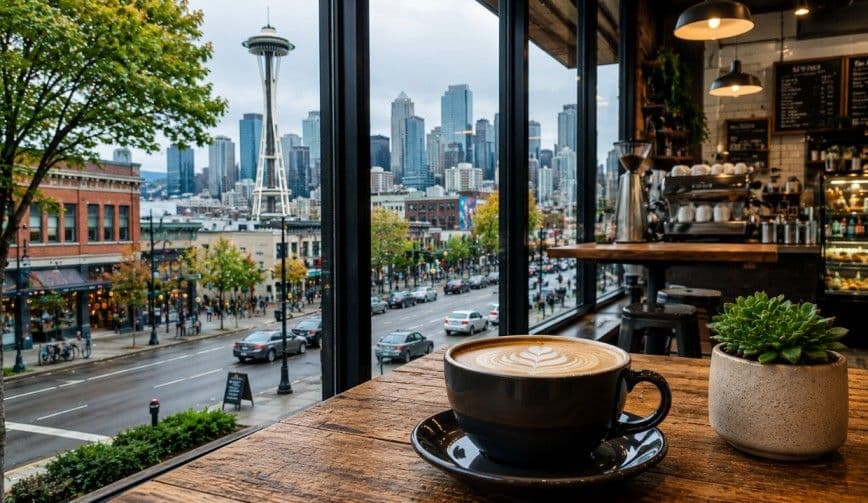
Seattle and coffee have a relationship that seems impossible to break. Whether it is a busy professional grabbing a latte before work, a student studying for exams, or a remote worker camping out with a laptop for hours, coffee shops are a big part of daily life in the city.
Because of this strong coffee culture, many entrepreneurs dream of opening a café in Seattle. But in 2026, with competition everywhere and costs continuing to rise, is a Coffee Shop Business in Seattle still worth the investment?
The answer is yes, but only for those who understand both the opportunities and challenges of the market. A coffee shop can be profitable, but success depends on location, customer experience, cost management, and staying ahead of changing consumer preferences.
This guide explores everything you need to know before investing in a Seattle coffee shop.
Why Seattle Remains a Great Market for Coffee Shops

Seattle is one of the most coffee-friendly cities in the United States. Coffee is more than a drink here. It is part of the culture.
Several factors continue to support demand for coffee shops:
- ●Large population of coffee enthusiasts
- ●Strong tourism industry
- ●Growing remote workforce
- ●High demand for specialty coffee
- ●Customers are willing to pay premium prices
People in Seattle often choose coffee shops based on atmosphere, quality, and convenience rather than simply price. This gives independent cafés a chance to compete successfully against larger chains.
The Coffee Shop Business in Seattle in 2026
The coffee industry has changed significantly over the past few years. Customers now expect much more than a simple cup of coffee.
Many visitors look for:
- ●Specialty beverages
- ●Organic coffee beans
- ●Plant-based milk options
- ●Comfortable seating
- ●Fast internet
- ●Mobile ordering options
Coffee shops that adapt to these trends are often more successful than those that rely on traditional offerings alone.
Major Coffee Industry Trends in 2026
| Trend | Demand Level | Business Impact |
|---|---|---|
| Specialty Coffee | Very High | Increases customer loyalty |
| Mobile Ordering | High | Improves convenience |
| Plant-Based Drinks | Very High | Attracts a wider audience |
| Sustainable Packaging | High | Appeals to eco-conscious customers |
| Loyalty Programs | High | Encourages repeat visits |
| Local Artisan Products | Medium to High | Creates additional revenue |
Keeping up with these trends can help a Seattle café stay competitive in a crowded market.
How Much Does It Cost to Open a Coffee Shop in Seattle?
Startup costs vary depending on location, shop size, and business model. A small neighbourhood café will require less investment than a large speciality coffee destination.
Some of the biggest expenses include:
- ●Commercial lease
- ●Interior renovations
- ●Espresso machines
- ●Furniture
- ●Licenses and permits
- ●Inventory
- ●Marketing
- ●Employee wages
Many first-time owners are surprised to learn how quickly costs add up before the first customer even walks through the door.
Estimated Startup Costs
| Expense Category | Estimated Cost |
|---|---|
| Lease Deposit | $8,000 - $30,000 |
| Renovation and Design | $20,000 - $100,000 |
| Coffee Equipment | $10,000 - $35,000 |
| Furniture | $5,000 - $25,000 |
| Licenses and Permits | $1,000 - $5,000 |
| Initial Inventory | $3,000 - $10,000 |
| Marketing | $2,000 - $10,000 |
| Working Capital | $20,000 - $50,000 |
Most entrepreneurs should expect a total investment ranging from $70,000 to $250,000 or more.
Choosing the Right Location
Location is one of the most important decisions you will make.
A great location can bring steady customer traffic every day, while a poor location can make it difficult to generate sales even if the coffee is excellent.
Popular Seattle neighbourhoods for coffee shops include:
- ●Downtown Seattle
- ●Capitol Hill
- ●Ballard
- ●Fremont
- ●University District
- ●South Lake Union
Each area serves a different customer base. Understanding local demographics can help determine the best location for your business.
Revenue Potential for a Seattle Coffee Shop
The good news is that coffee shops have multiple revenue streams.
Income may come from:
- ●Coffee beverages
- ●Specialty drinks
- ●Pastries and snacks
- ●Merchandise
- ●Catering services
- ●Coffee subscriptions
A well-managed coffee shop can generate impressive monthly revenue.
For example, selling 250 cups of coffee per day at an average ticket value of $7 can create substantial income over a month.
Of course, revenue alone does not determine success. Profitability depends on managing expenses effectively.
Understanding Profit Margins
Coffee is known for having attractive margins compared to many food products.
The ingredients for a latte may cost less than a dollar, while customers willingly pay several times that amount.
However, expenses such as rent, wages, utilities, and maintenance reduce overall profitability.
Average Profit Margins
| Coffee Shop Type | Typical Profit Margin |
|---|---|
| Small Independent Café | 10% - 15% |
| Established Coffee Shop | 15% - 25% |
| Premium Speciality Café | 20% - 30% |
The most profitable businesses usually focus on efficiency, customer retention, and upselling complementary products.
Competition Is Strong, but Opportunities Still Exist
Seattle has no shortage of coffee shops.
New owners must compete against:
- ●National coffee chains
- ●Local café brands
- ●Boutique coffee shops
- ●Mobile coffee carts
At first, this may sound discouraging.
The reality is that many customers actively seek unique experiences. They enjoy discovering independent cafés with distinctive atmospheres and speciality offerings.
A coffee shop that creates a memorable experience often attracts loyal customers regardless of nearby competition.
What Makes a Coffee Shop Successful in 2026
Several factors separate successful cafés from struggling ones.
- ●Exceptional Product Quality: Customers expect excellent coffee in Seattle. Poor-quality products rarely survive for long.
- ●Strong Branding: People remember businesses with unique personalities and consistent messaging.
- ●Comfortable Environment: Remote workers and students often spend hours in coffee shops. Comfortable seating and reliable internet matter.
- ●Friendly Customer Service: Excellent service encourages repeat business and positive online reviews.
- ●Active Social Media Presence: Many customers discover new cafés through Instagram, TikTok, and local online communities.
- ●Community Involvement: Events, workshops, and partnerships with local businesses can strengthen customer loyalty.
Technology Is Becoming Essential
Technology continues to play a bigger role in café operations.
Many successful coffee shops use:
- ●Mobile ordering apps
- ●Digital loyalty programs
- ●Contactless payments
- ●Online ordering systems
- ●Inventory management software
These tools improve efficiency and create a smoother customer experience.
Thankfully, they also reduce the chances of losing a loyalty card that has been folded, washed, and forgotten at the bottom of a backpack.
Risks to Consider Before Investing
Like any business, coffee shops face challenges.
Common risks include:
- ●Rising rent costs
- ●Employee turnover
- ●Increased competition
- ●Economic uncertainty
- ●Supply chain disruptions
Entrepreneurs should create a detailed business plan and maintain adequate cash reserves to handle unexpected situations.
Franchise or Independent Coffee Shop
Some entrepreneurs choose a franchise, while others build their own brand.
| Factor | Franchise Coffee Shop | Independent Coffee Shop |
|---|---|---|
| Brand Recognition | Established brand awareness from day one | Must build brand reputation from scratch |
| Startup Cost | Usually higher due to franchise fees | Can be lower and more flexible |
| Royalty Fees | Ongoing royalty and marketing fees | No royalty payments required |
| Business Support | Training, systems, and operational support provided | The owner manages all operations independently |
| Creative Freedom | Limited control over menu and branding | Full freedom to create unique products and branding |
| Marketing | National and regional marketing support | Responsible for own marketing efforts |
| Customer Experience | Standardized across locations | Can be customized to local customer preferences |
| Growth Potential | Benefits from an established reputation | Success depends on the owner’s strategy and execution |
In Seattle, many customers actively support locally owned businesses, making independent cafés an attractive option.
Future Growth Opportunities
Several emerging opportunities may help coffee shop owners increase revenue in 2026 and beyond.
These include:
- ●Coffee subscription services
- ●Corporate catering
- ●Private events
- ●Specialty roasting
- ●Online merchandise sales
- ●Coffee education classes
Diversifying income streams can make a business more resilient during economic changes.
Is a Seattle Coffee Shop Worth the Investment in 2026
For entrepreneurs who carefully plan their business, the answer is often yes.
Seattle continues to have one of the strongest coffee cultures in the country. Demand remains high, customers appreciate quality, and there are opportunities for businesses that can offer something unique.
Success does not come from simply serving coffee. It comes from creating an experience that customers enjoy returning to again and again.
A well-managed Coffee Shop Business in Seattle can generate healthy profits while becoming a valued part of the local community.
Final Thoughts
Opening a coffee shop in Seattle is not a guaranteed path to success, but it remains a promising investment opportunity in 2026. The city's love for coffee, strong customer base, and willingness to support local businesses create favourable conditions for entrepreneurs.
The key is choosing the right location, controlling costs, offering excellent products, and building strong relationships with customers. Those who do these things well can create a profitable business that thrives for years to come.
Ready to Start Your Coffee Shop Business?
Starting a coffee shop business is absolutely possible. Many café owners begin with a simple idea, a strong love for coffee, and a space that brings people together. The cafés that succeed are not always the biggest or the fanciest. They simply prepare properly before opening their doors.
BossWorks helps aspiring coffee shop owners plan and launch with clarity, without the confusion that wastes time and money.
✓ Estimate your exact startup costs based on café size, equipment, menu, and location
✓ Understand permits, licenses, and local café requirements before you launch
✓ Create realistic revenue projections with clear break-even goals and monthly cash flow
✓ Identify hidden expenses early, from staffing costs to inventory management
✓ Build a café business strategy designed for long-term customer loyalty and steady income
Frequently Asked Questions
Yes, many successful coffee shops achieve profit margins between 10% and 30%.
Startup costs typically range from $70,000 to $250,000 or more.
High rent and strong competition are among the biggest challenges.
Most coffee shops reach break-even within 12 to 24 months.
Yes, unique branding, quality products, and excellent customer service can help independent cafés compete successfully.