A Backyard Aquaponics Herb Farm in Tampa Turns a Fish Tank Into a Restaurant Contract
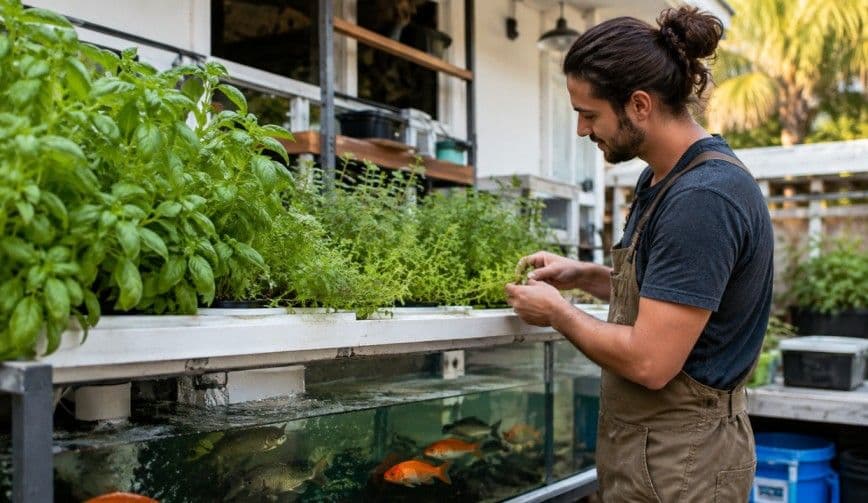
Have you ever looked at a fish tank and thought it could help you earn money? It sounds funny at first, but that is exactly what many small business owners are doing with aquaponics. Instead of keeping fish only as pets, they use the fish to help grow fresh herbs that restaurants are happy to buy.
A backyard aquaponics herb farm is becoming a smart business idea for people who want to grow food without needing a large piece of land. In Tampa, the warm weather makes this idea even more attractive because herbs can grow for most of the year.
The best part is that you do not need to own a huge farm to get started. A small backyard, some basic equipment, and the willingness to learn can help you build a business that supplies fresh herbs to local restaurants.
What Is a Backyard Aquaponics Herb Farm?
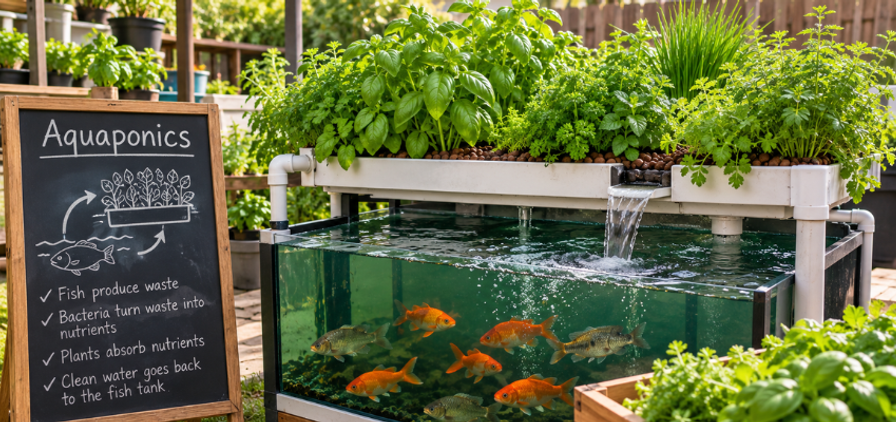
Aquaponics is a method of growing plants and raising fish together in one system.
Here is how it works in simple words.
The fish live in a tank and produce waste naturally. Helpful bacteria, which are tiny living organisms that cannot be seen with our eyes, change this waste into nutrients. These nutrients become food for the plants. As the plants grow, they clean the water before it flows back into the fish tank.
It is a natural cycle where both the fish and the plants help each other.
Unlike traditional farming, there is very little soil involved. Most herbs grow in small containers filled with growing material while water carries the nutrients.
Many people compare aquaponics to a small ecosystem that takes care of itself once everything is balanced.
Because it uses water again and again, many people also see it as part of a bold sustainable farming business that reduces waste.
Why Tampa Is the Perfect Place for This Business
Not every city is ideal for growing herbs all year, but Tampa offers several advantages.
The warm climate means herbs continue growing through most seasons. This allows growers to harvest more often and supply restaurants regularly.
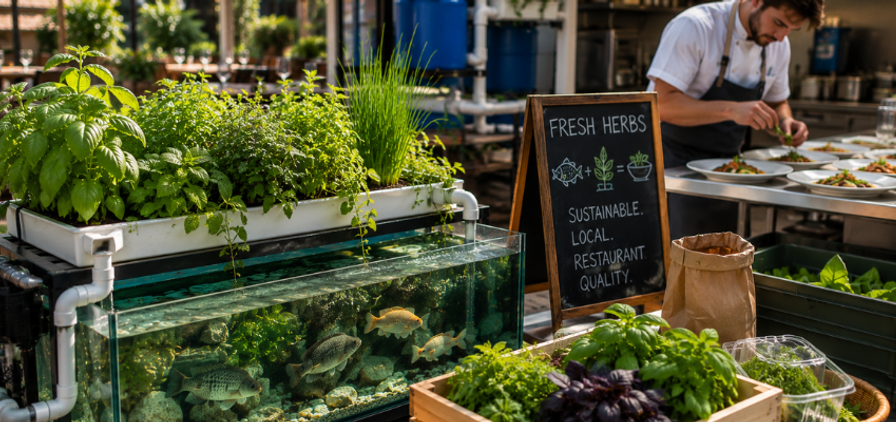
Another reason is Tampa's growing food scene. Many restaurants like to buy ingredients from nearby farms because fresh herbs often taste and smell much better than herbs shipped from far away.
People are also paying more attention to locally grown food. Customers enjoy knowing where their ingredients come from, and restaurants can proudly mention local suppliers on their menus.
These advantages make Tampa an excellent place for starting a bold backyard farming business.
Benefits of starting in Tampa
- ●Warm weather supports year-round herb production.
- ●Growing restaurant industry creates regular demand.
- ●Many homes have suitable backyard space.
- ●Farmers markets attract customers looking for local food.
- ●Fresh herbs travel only a short distance before reaching restaurants.
Why Restaurants Love Fresh Herbs
Walk into almost any restaurant kitchen, and you will find herbs being used every day.
Fresh basil goes into pasta.
Mint is added to drinks.
Parsley finishes soups and salads.
Cilantro gives tacos and curries extra flavour.
Restaurants cannot afford herbs that have already started drying out. They want herbs that were harvested only a few hours earlier.
When you become one of their bold local restaurant suppliers, you are offering something supermarkets often cannot provide.
Chefs appreciate herbs that have:
- ●Bright colour
- ●Strong smell
- ●Better flavour
- ●Longer freshness
- ●Consistent quality
That is why many restaurants prefer buying directly from nearby growers instead of depending only on large distributors.
How a Fish Tank Can Become a Restaurant Contract
It may sound like a movie story, but it often happens one small step at a time.
Imagine setting up one fish tank in your backyard.
You grow basil, parsley, and mint.
After harvesting your first batch, you visit a nearby café and offer free samples.
The chef likes the freshness and orders a few bundles for the weekend.
The following week, they place another order.
A month later, they ask if you can deliver every Tuesday morning.
Soon another restaurant hears about your herbs through word of mouth.
Without spending money on a large shop or expensive advertising, your little backyard system has become a reliable source of income.
That is how many successful, bold fresh herb business owners begin.
They do not start big.
They simply start.
Understanding the Aquaponics Cycle
Many beginners think aquaponics is difficult because it sounds technical.
In reality, the process is quite simple once you understand each step.
- Fish eat their food.
- Fish naturally produce waste.
- Helpful bacteria change the waste into nutrients.
- Plant roots absorb those nutrients.
- Plants clean the water.
- Clean water returns to the fish tank.
This cycle continues every day.
The fish feed the plants.
The plants clean the water.
Everyone benefits.
That is why many beginners enjoy using a small aquaponics system for beginners before expanding into larger commercial systems.
Choosing Herbs That Restaurants Buy Regularly
Not every herb sells equally well.
If your goal is to work with restaurants, focus on herbs that chefs use almost every day.
| Herb | Common Restaurant Uses | Demand Level |
|---|---|---|
| Basil | Pizza, pasta, salads | High |
| Mint | Drinks, desserts | High |
| Cilantro | Mexican and Asian dishes | High |
| Parsley | Garnishing meals | High |
| Oregano | Italian recipes | Medium |
| Thyme | Soups and meat dishes | Medium |
| Dill | Seafood recipes | Medium |
Growing popular herbs gives you a better chance of finding repeat customers.
As your business grows, you can slowly introduce speciality herbs that some restaurants may request.
Equipment You Need to Get Started
One reason many people like aquaponics is that they can begin with a small setup.
You do not need a giant greenhouse on day one.
Most beginner systems include:
- ●Fish tank
- ●Water pump
- ●Air pump
- ●Grow beds
- ●Water pipes
- ●Fish feed
- ●Water testing kit
- ●Herb seedlings
- ●Growing media to support plant roots
Many of these items can last for years if they are maintained properly.
As profits increase, you can add more fish tanks and more growing beds without changing your entire system.
Choosing the Right Fish
The fish are the heart of the entire system.
Healthy fish produce healthy plants.
Several types of fish work well.
- ●Tilapia is popular because it grows quickly and adapts well.
- ●Goldfish are easy for beginners to care for.
- ●Koi are attractive and can live for many years.
- ●Catfish are suitable for larger systems.
Choose fish that match your local climate and check local rules if you plan to sell edible fish in the future.
Is Aquaponics Better Than Hydroponic Herb Farming?
Many people confuse aquaponics with bold hydroponic herb farming, but they are different.
Hydroponics grows plants using water mixed with prepared nutrients.
Aquaponics lets fish naturally create many of those nutrients.
Both methods grow healthy herbs, but many growers enjoy aquaponics because it creates a natural balance between fish and plants.
In addition, fish become an important part of the system instead of relying only on packaged nutrients.
Understanding Your Startup Costs
One of the biggest questions people ask is, "How much money do I need to begin?"
The answer depends on how large you want your system to be. The good news is that many successful growers start with just one fish tank and a few grow beds. Instead of spending a lot of money at once, they improve their setup as their income grows.
Think of it like learning to ride a bicycle. You do not start by entering a race. You first learn the basics and then build your confidence.
Starting small also helps you understand how fish, plants, and water work together before investing more money.
Finding Your First Restaurant Customers
Growing fresh herbs is only half of the business. The other half is finding people who want to buy them.
Fortunately, restaurants are always looking for fresh ingredients. Many chefs prefer buying from nearby growers because the herbs arrive fresher and often taste better than herbs shipped from another state.
You do not need a big sales team. A friendly conversation can go a long way.
Here are a few simple ways to introduce your business.
- ●Visit local cafés and independent restaurants.
- ●Take freshly harvested herb samples.
- ●Explain how your aquaponics system works.
- ●Offer a small trial order.
- ●Be honest about how much you can supply.
Remember, a restaurant would rather have one reliable supplier than several suppliers who cannot deliver on time.
Building trust is often more important than offering the lowest price.
Marketing Your Herb Farm
Many people think marketing means spending lots of money on advertisements.
It does not.
Simple marketing works well for a small backyard farming business.
Some easy ideas include:
- ●Share short videos of your fish and herbs on social media.
- ●Post harvest photos every week.
- ●Tell the story of how your herbs are grown.
- ●Join local farmers markets.
- ●Ask happy restaurant owners if they can recommend you to others.
People enjoy buying from businesses they know and trust.
Showing the real people behind your farm helps customers feel connected to your business.
Growing Beyond Your Backyard
Once restaurants begin ordering regularly, you may wonder what comes next.
The answer is simple.
Expand slowly.
You could add another fish tank.
Then another grow bed.
Later, you might build a greenhouse or rent a slightly larger space.
Growing too quickly can create unnecessary stress. Growing step by step allows you to keep quality high while serving more customers.
Many successful small farm business ideas begin exactly this way.
Common Mistakes Beginners Should Avoid
Every new business owner makes mistakes. The goal is to learn from them before they become expensive problems.
Some common mistakes include:
Adding too many fish
More fish do not always mean more herbs. Too many fish can affect water quality and make the system unhealthy.
Ignoring water testing
Water should be checked regularly to make sure both fish and plants stay healthy.
Growing too many herb varieties
Start with herbs that restaurants buy most often. Once you have regular customers, you can add more varieties.
Waiting too long to find customers
Some people spend months growing herbs before talking to restaurants.
Instead, begin introducing yourself while your herbs are still growing.
That way, you may already have buyers waiting for your first harvest.
Expecting quick profits
Like any business, success takes time.
Patience, consistency, and learning from experience usually produce better results than rushing.
Tips for Long-Term Success
Running a successful aquaponics farming business is about building good habits.
Here are a few tips that experienced growers often follow.
- ●Feed fish at the same time every day.
- ●Harvest herbs regularly.
- ●Deliver orders on schedule.
- ●Keep equipment clean.
- ●Record what grows best each season.
- ●Listen carefully to customer feedback.
- ●Continue learning about new growing methods.
Small improvements made every week can make a big difference over time.
Why This Business Has a Bright Future
More people are paying attention to where their food comes from.
Restaurants want fresh ingredients.
Customers enjoy supporting local businesses.
Cities continue looking for smarter ways to produce food using less space.
All of these trends make urban farming in Tampa an exciting opportunity for future entrepreneurs.
A small aquaponics system may seem simple today, but with dedication, it can become a reliable source of income tomorrow.
Many growers also enjoy the satisfaction of producing healthy food while using water efficiently, making it part of a sustainable farming business that benefits both people and the environment.
Final Thoughts
Starting a backyard aquaponics herb farm in Tampa is more than a gardening project. It is an opportunity to turn a simple idea into a real business.
A single fish tank can support healthy herbs.
Healthy herbs can attract local restaurants.
One restaurant can lead to another.
Before long, a small backyard project may become a trusted supplier for cafés, restaurants, and local markets.
The journey does not require a huge investment or years of farming experience. It begins with learning the basics, taking care of your fish, growing quality herbs, and building good relationships with customers.
If you enjoy growing plants, like trying new business ideas, and want to create something that serves your local community, this could be the perfect opportunity.
Sometimes the biggest business stories really do begin with a fish tank in the backyard.
Ready to Get Started?
Starting an aquaponics herb farm is more achievable than many people think. You do not need a huge farm or years of experience to begin. What matters most is starting with a clear plan, learning as you grow, and building strong relationships with your customers.
BossWorks helps you create a complete business plan tailored to your goals. From estimating startup costs and planning your setup to understanding your target customers and growth strategy, it guides you through each step with confidence.
Frequently Asked Questions
It is a system where fish and plants work together to grow fresh herbs naturally.
Basil, mint, parsley, cilantro, oregano, and thyme are among the most popular.
Yes, even a small backyard or patio can support a beginner-friendly system.
Visit local restaurants, offer samples, and build trust through consistent quality and service.
Yes, starting with a small system makes it easy to learn and expand over time.