HVAC Business in Charlotte | The First 90 Days Nobody Talks About
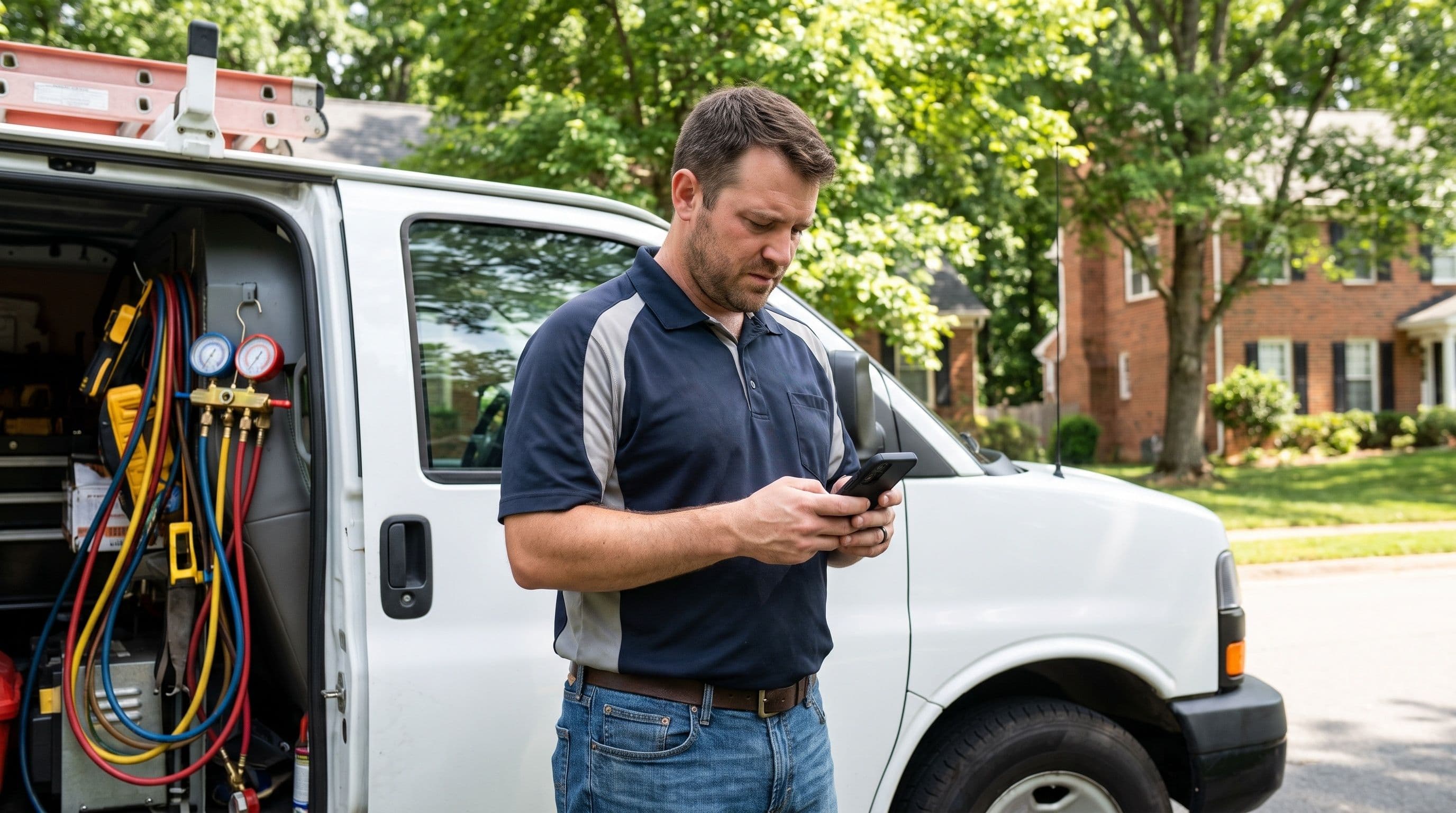
You set up the business, purchased the tools, and wrapped the van. The next stage is the frightening one. The phone is silent, the calendar is empty, and you're beginning to wonder whether anyone in Charlotte even knows that you exist.
It's completely normal. During the first 90 days, you don't have to be perfect. Instead, you should focus on getting ready, securing your first jobs, working out your actual expenses, and establishing habits that will make the following three months simpler.
What is never mentioned is the messy middle phase, the one where you work out how the business really functions. Below is a simple month-by-month account of what is important.
Month One: Get Legal and Get Ready

Make certain that the business is properly set up before taking on service calls. Since HVAC work is governed by licensing requirements in North Carolina, you should check which license is applicable to the type of work you intend to carry out. Additionally, you will need the correct insurance and any permits required for the jobs you accept.
When that has been taken care of, maintain simple pricing. You don't need a large price list on the first day. Make sure you know your:
- ●Diagnostic fee
- ●Hourly or service rate
- ●Common repair prices
- ●Tune-up price
- ●Installation pricing approach
Make a list of your prices so that you don't have to invent figures when you are at a customer's door.
Get the van and paperwork ready as well. Fill your stock with common parts, arrange your tools, set up a simple system for recording customer information, and send out invoices as soon as each job is finished.
Most important of all is ensuring that it's easy for customers to get in touch with you. If a call is missed, it can end up being someone else's job, particularly when a homeowner needs assistance during a hot afternoon in Charlotte.
For a deeper breakdown, check out everything you need to know about Freelancers.
Month One: Make the First Calls Come In
The part that causes the majority of new owners worry is attracting customers.
Begin by setting up a Google Business Profile and having a basic website. Include your service area, phone number, services, business hours, and actual photos of your work and van. You don't need a costly website to get going.
Just let people know that you are open.
Reach out to:
- ●Friends and family
- ●Former coworkers
- ●Local contractors
- ●Neighbors
- ●Previous professional contacts
You are not requesting any favors. You are just informing people that you are available.
When the initial jobs come in, don't concentrate only on the money. See those first calls as a form of hands-on training. You could then find that:
- ●You priced the attic repair too low.
- ●A commonly required component was missing.
- ●Two jobs were booked too close together.
- ●A repair that was supposed to be simple took twice as long as anticipated.
That is the first month. You are finding out how your business functions in the real world.
Read More | Why Omaha Residents Trust Local HVAC Specialists Over Big Brands.
Month Two: Turn Jobs Into Reviews and Referrals
By the second month, you should have a number of jobs completed. It is then that those customers can help produce the next ones.
If a customer is satisfied with your work, ask them to leave an honest review. Make it easy by sending a direct review link after the job has been completed.
Also set up a simple follow-up habit. Sending a brief message a day or two later to ask if everything is still working properly can help the customer remember you the next time they need assistance with their HVAC system.
It is also a good idea in the second month to establish local relationships. You might consider getting in touch with:
- ●Realtors who need quick repairs
- ●Property managers
- ●Landlords
- ●Other local contractors
You are not trying to gather 20 or 30 contacts all at the same time. A small number of genuine relationships can become a source of ongoing work in the future.
Month Two: Learn Your Real Numbers
It is at this point that the business begins to become serious.
Although a $400 repair may appear favorable on the invoice, what did you actually retain after paying for the parts, labor, fuel, advertising, card fees, and travel time?
The fact is that being busy doesn't always mean you are earning money.
Start recording the basic numbers for every job:
| Job Type | What to Track | What It Tells You |
|---|---|---|
| Repairs | Parts, labor, and travel | Is the job worth your time? |
| Tune-ups | Time on site and drive time | Does the price cover the work? |
| Installations | Equipment, labor, and permits | Is the final margin healthy? |
At this stage, you won't need complicated software. A simple spreadsheet will show you where the money is being spent.
Within a few weeks, certain patterns should begin to show themselves. It's possible that emergency repairs suit your business, while some tune-ups take up too much time. It's also possible that one kind of installation consistently creates unexpected expenses.
Adjust your pricing and processes based on that information before those habits become difficult to change.
Want to start a business? Plan it smarter with a proven and trending business plan.
Month Three: Build the Routine That Lasts
By the third month, the aim should be to stop viewing each day as an emergency.
Check whether maintenance plans or regular servicing are suitable for your customers. Routine maintenance can also provide more opportunities to stay in touch with customers rather than waiting for the next breakdown.
Now consider the amount of work you are handling yourself.
Ask yourself:
- ●What kind of work should I still do myself?
- ●Which tasks take up too much of my time?
- ●What can be managed with a simple system?
- ●What tasks might eventually be delegated?
It could be that you enjoy fixing HVAC problems but get annoyed by having to chase unpaid invoices at night. You may also be good with customers but constantly end up answering calls while working on equipment.
These are indications that a process should be changed.
By the end of month three, create simple routines for:
- ●Scheduling jobs
- ●Following up with customers
- ●Sending invoices
- ●Recording expenses
- ●Tracking leads
- ●Requesting reviews
The goal is not to create a complicated operation. It is to ensure that the important things happen consistently.
What Do You Need to Know After 90 Days?

In the first three months, you will gain information that you simply cannot get from a business plan.
| Period | Main Focus |
|---|---|
| Days 1-30 | Get legal, prepared, visible, and ready for customers |
| Days 31-60 | Build reviews, referrals, relationships, and understand your numbers |
| Days 61-90 | Improve systems, recurring work, scheduling, and daily routines |
By the end of day 90, you should have a better understanding of which customers you serve best, which jobs suit your business, where you lose time, and what needs to change.
Ready to Make It Real? Turn your business idea into a clear plan and take the next step with BossWorks
Final Thoughts
In the first 90 days of running an HVAC Business in Charlotte, you won't have all the answers. You'll most likely underquote a job, forget to follow up, or take too long driving across town. That's the way you learn.
What is important is the way you apply those lessons.
By the end of three months, aim to have four things:
- ●A clear understanding of your customers
- ●A realistic view of your costs and earnings
- ●Simple systems for running daily work
- ●A plan based on what actually happened, not what you expected
The 90 days that follow should not feel like starting all over again. Instead, they should be about applying what you have learned and running the business in a smarter way.
Before You Spend, Know What It Takes
A good business idea should not depend on guesswork. Check your startup costs, market potential, licenses, funding options, and pricing before you make a major decision. BossWorks gives you practical answers tailored to your business and city, so you can move forward with more clarity and less uncertainty.
Frequently Asked Questions
It varies, but referrals, local visibility, and regular follow-up can help a new business build its customer base.
Track completed jobs, job costs, revenue, customer reviews, cancellations, and unpaid invoices.
Yes, genuine customer reviews can help a new local business build trust with people looking for HVAC services.
Maintenance plans can be useful when they meet customer needs and create opportunities for ongoing service work.
Use the first three months of real data to improve pricing, scheduling, customer service, and the types of work you accept.