How Wichita’s Food & Pharma Industries Are Driving Cold Storage Growth
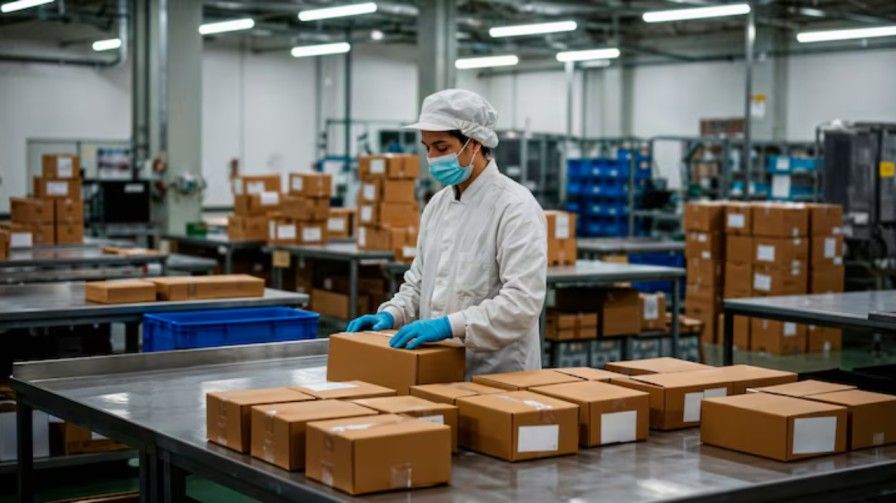
Wichita may be known for aviation and manufacturing, but another industry is quietly expanding behind the scenes. Cold storage businesses are growing rapidly across the city, and much of that growth is being powered by the food and pharmaceutical sectors.
From frozen foods and dairy products to temperature-sensitive medicines and vaccines, companies now need better storage systems to keep products safe, fresh, and ready for delivery. As demand rises, cold storage warehouses are becoming one of the most important support systems for modern businesses.
And unlike regular warehouses, where boxes simply sit on shelves, cold storage facilities work almost like giant refrigerators that never get a day off.
The growth of this sector is creating opportunities for logistics companies, warehouse operators, transport businesses, and investors looking for long-term business potential.
Why Cold Storage Matters More Than Ever

Cold storage refers to temperature-controlled warehouses used for storing products that can spoil or lose quality if exposed to heat. These facilities help businesses maintain product freshness, safety, and shelf life.
Food and pharmaceutical products are especially sensitive to temperature changes.
For example:
- ●Frozen foods must stay frozen during storage and transportation
- ●Dairy products require constant cooling
- ●Vaccines and medicines need strict temperature control
- ●Fresh produce must remain cool to prevent spoilage
Without proper cold storage systems, businesses can lose huge amounts of inventory.
Common Products Stored in Cold Storage Facilities
| Industry | Products |
|---|---|
| Food Industry | Frozen foods, dairy, meat, seafood |
| Agriculture | Fruits, vegetables, seeds |
| Pharmaceutical Industry | Vaccines, medicines, insulin |
| Beverage Industry | Juices, soft drinks, dairy beverages |
| Retail Industry | Ready-to-eat packaged foods |
As Wichita’s economy grows, businesses across these sectors are increasing their storage needs.
Wichita’s Food Industry Is Expanding Rapidly
The food industry in Wichita has been growing steadily due to rising consumer demand, restaurant expansion, packaged food production, and grocery distribution networks.
People today expect fresh food to be available all year round. Supermarkets want fully stocked frozen sections. Restaurants need reliable ingredient supply chains. Food delivery businesses also depend heavily on cold storage support.
This has increased the need for refrigerated warehouses across Wichita.
Why Food Businesses Need Cold Storage
| Requirement | Importance |
|---|---|
| Freshness maintenance | Prevents spoilage |
| Food safety compliance | Meets health regulations |
| Bulk inventory storage | Supports large-scale distribution |
| Seasonal product management | Stores products for longer periods |
| Delivery efficiency | Improves supply chain operations |
Many food companies now store products closer to local markets to reduce transportation delays and maintain freshness.
Because nobody wants melted ice cream arriving like vanilla soup.
Frozen Food Demand Is Fueling Warehouse Growth
Frozen food consumption has increased significantly over the last few years. Busy lifestyles have pushed consumers toward ready-to-cook meals, frozen snacks, and packaged food options.
This shift directly benefits cold storage businesses.
Wichita’s food distributors and retailers need larger refrigerated spaces to manage growing inventories.
Popular Frozen Products Driving Demand
- ●Frozen pizza
- ●Packaged meat
- ●Seafood products
- ●Frozen vegetables
- ●Ice cream
- ●Ready-to-eat meals
- ●Frozen bakery items
The larger the frozen food market becomes, the more important cold storage facilities become.
Pharmaceutical Companies Are Creating Massive Demand
The pharmaceutical industry is another major reason behind cold storage growth in Wichita.
Many medicines and healthcare products require strict temperature control during storage and transport. Even small temperature changes can affect product quality and effectiveness.
Vaccines are one of the best examples.
Some vaccines must remain within specific temperature ranges from manufacturing until delivery. This process is called the cold chain.
A cold chain is a temperature-controlled supply system that keeps products safe throughout transportation and storage.
Pharmaceutical Products Requiring Cold Storage
| Product Type | Temperature Sensitivity |
|---|---|
| Vaccines | Very high |
| Insulin | High |
| Biotech medicines | High |
| Blood plasma | Very high |
| Medical samples | Moderate to high |
As healthcare demand increases, pharmaceutical companies are investing more in reliable storage and logistics systems.
E-Commerce and Delivery Services Are Adding Pressure
Online grocery shopping has also changed the cold storage industry.
Consumers now order frozen foods, dairy products, and medicines online, expecting same-day or next-day delivery. That means businesses need faster inventory movement and better local storage systems.
Cold storage warehouses help companies manage quick delivery operations efficiently.
Impact of E-Commerce on Cold Storage
| Trend | Effect on Industry |
|---|---|
| Online grocery growth | Higher refrigerated storage demand |
| Fast delivery expectations | More local warehouse facilities |
| Meal delivery apps | Increased frozen inventory storage |
| Digital pharmacy services | More pharmaceutical cold chain needs |
Wichita businesses are adapting quickly to these changes.
Technology Is Transforming Cold Storage Facilities
Modern cold storage warehouses are no longer simple cooling rooms. Technology now plays a huge role in improving efficiency and reducing operating costs.
Many facilities use automation and smart monitoring systems.
Technologies Used in Modern Cold Storage
| Technology | Purpose |
|---|---|
| Temperature sensors | Monitor storage conditions |
| Automated inventory systems | Improve warehouse efficiency |
| Energy-efficient cooling | Reduce electricity costs |
| GPS tracking | Monitor transportation |
| Backup power systems | Prevent product damage during outages |
Some warehouses even use artificial intelligence to predict inventory demand and optimize storage usage.
That sounds futuristic until you realize the warehouse probably knows where the frozen peas are faster than most employees.
Wichita’s Strategic Location Supports Growth
Wichita’s location also makes it attractive for logistics and warehouse operations.
The city connects businesses to regional transportation routes, helping companies distribute products more efficiently across nearby markets.
This makes Wichita an appealing location for:
- ●Food distributors
- ●Pharmaceutical companies
- ●Grocery supply chains
- ●Transportation businesses
- ●Warehouse investors
Lower operational costs compared to larger cities also make expansion easier.
Rising Healthcare Demand Is Increasing Storage Needs
Healthcare services continue to expand across the United States, including in Kansas. More hospitals, clinics, pharmacies, and healthcare providers mean greater demand for medical supplies and pharmaceuticals.
All these products require safe storage conditions.
Healthcare Industry Factors Supporting Cold Storage Growth
| Factor | Impact |
|---|---|
| Aging population | Higher medicine demand |
| Vaccine distribution | More temperature-controlled logistics |
| Healthcare expansion | Increased pharmaceutical inventory |
| Medical research growth | Specialized storage requirements |
Cold storage companies that serve healthcare clients often operate under strict quality standards to ensure product safety.
Energy Costs Remain a Major Challenge
Although the industry is growing, cold storage businesses face several challenges.
Electricity costs are one of the biggest concerns because refrigeration systems run continuously.
Cooling large warehouses requires enormous energy consumption.
Common Challenges in Cold Storage Operations
| Challenge | Effect |
|---|---|
| High electricity costs | Reduces profit margins |
| Equipment maintenance | Requires regular investment |
| Temperature failures | Risk of product loss |
| Skilled workforce shortage | Operational difficulties |
| Fuel price increases | Higher transportation costs |
Businesses are now investing in energy-efficient systems to reduce long-term operating expenses.
Sustainability Is Becoming Important
Many companies are also focusing on environmentally friendly cold storage practices.
Customers and investors increasingly prefer businesses that reduce waste and energy usage.
Sustainable Practices in Cold Storage
- ●Solar energy systems
- ●Eco-friendly refrigerants
- ●Smart cooling technology
- ●Reduced food waste programs
- ●Energy-efficient warehouse designs
These improvements not only help the environment but can also reduce operating costs over time.
Investment Opportunities Are Growing
The rising demand for cold storage is attracting investors and entrepreneurs.
As Wichita’s food and pharmaceutical industries continue expanding, the need for refrigerated warehousing is expected to grow further.
Business Opportunities in the Sector
| Opportunity | Description |
|---|---|
| Refrigerated warehousing | Storage facility operations |
| Cold transportation | Temperature-controlled trucking |
| Equipment supply | Cooling and refrigeration systems |
| Warehouse automation | Technology solutions |
| Food logistics | Distribution services |
Businesses entering the market early may benefit from increasing demand in the coming years.
Workforce Demand Is Increasing Too

Cold storage growth also creates employment opportunities.
Warehouses require workers for:
- ●Inventory management
- ●Equipment maintenance
- ●Logistics coordination
- ●Transportation operations
- ●Quality control
- ●Packaging and distribution
As the sector expands, workforce demand is likely to rise further.
Future Growth Looks Strong
Experts expect cold storage demand to continue increasing due to changes in consumer habits, healthcare growth, and food distribution systems.
The combination of food production, pharmaceutical expansion, and e-commerce logistics creates strong long-term potential for Wichita’s cold storage industry.
Companies that invest in modern technology, sustainability, and efficient logistics will likely perform best in the future.
And while most people may never think about refrigerated warehouses during grocery shopping, those giant cooling systems are working around the clock to keep everything fresh, frozen, and safe.
Honestly, cold storage warehouses probably work harder than most office coffee machines.
Final Thoughts
Wichita’s food and pharmaceutical industries are playing a major role in driving cold storage growth across the region. Rising demand for fresh food, frozen products, medicines, and fast delivery services is pushing businesses to invest heavily in refrigerated warehousing and logistics systems.
Cold storage has become far more than simple refrigeration. It is now a critical part of modern supply chains, healthcare infrastructure, and food distribution networks.
As technology improves and industries continue expanding, Wichita’s cold storage market is expected to grow even stronger in the years ahead.
For businesses, investors, and logistics providers, this sector offers significant long-term opportunities in a rapidly changing economy.
Ready to Get Started?
The cold storage industry is growing rapidly as food companies, pharmaceutical businesses, and supply chains depend more on temperature-controlled storage and transportation.
BossWorks helps entrepreneurs understand and grow their business with practical guidance and clear planning.
✓ Learn how cold storage operations work across the food and pharma industries
✓ Understand warehouse setup, logistics, equipment, and operational costs
✓ Explore revenue opportunities and long-term business potential
✓ Identify common challenges early before they affect profitability
Frequently Asked Questions
Cold storage helps preserve freshness, prevents spoilage, and ensures food safety during storage and transportation.
Pharmaceutical companies use cold storage to protect temperature-sensitive medicines, vaccines, insulin, and medical products.
A cold chain is a temperature-controlled supply system that keeps products safe during transportation and storage.
Wichita offers growing food and pharmaceutical industries, good transportation access, and lower operational costs compared to larger cities.
Major challenges include high electricity costs, equipment maintenance, transportation expenses, and maintaining consistent temperatures.