Houston Logistics Business Creating Profit on Wheels
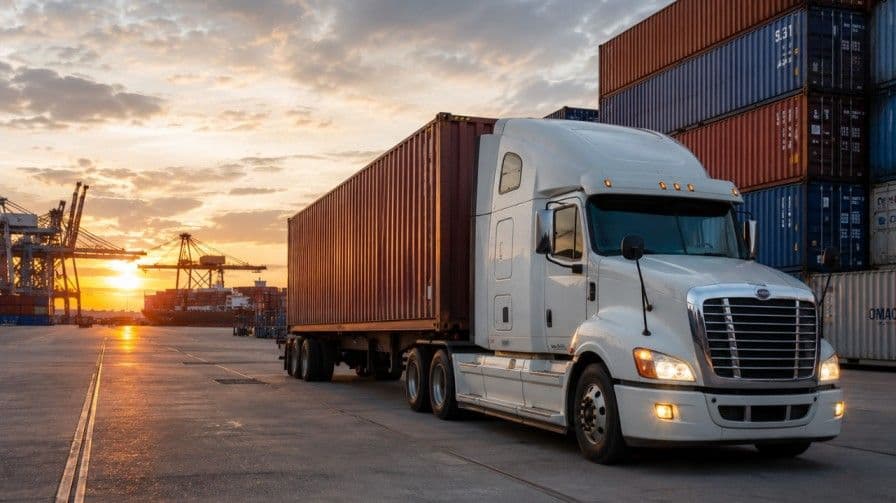
Houston runs on movement. Trucks roll through highways day and night, warehouses stay busy, and deliveries never really stop. From oil companies and construction firms to online shopping brands, every business depends on goods reaching the right place at the right time. That is exactly why the logistics service business in Houston has become one of the fastest-growing industries in the city.
Many people think logistics simply means driving trucks from one location to another. In reality, it is much bigger. Logistics includes transportation, inventory management, warehouse handling, packaging, route planning, and delivery tracking. In simple words, it is the system that keeps businesses running smoothly.
Houston has the perfect setup for logistics companies. The city has major highways, a powerful industrial sector, a busy port, and a growing population. All these factors create endless opportunities for entrepreneurs who want to build profitable transportation and supply chain businesses.
Why Houston Is Perfect for Logistics Businesses

Houston is one of the strongest business hubs in the United States. Thousands of companies depend on reliable transportation services every day.
Reasons Houston Supports Logistics Growth
- ●The Port of Houston handles massive cargo movement, creating strong logistics demand.
- ●Houston’s strong road network helps trucks move easily across states.
- ●Factories and industrial businesses need regular transportation support.
- ●e-commerce growth is increasing the delivery and shipping demand daily.
- ●A growing population means more products need transportation and delivery.
The logistics industry in Houston continues to grow because businesses constantly need products moved quickly and safely.
What Is a Logistics Service Business
A logistics service business helps transport goods from one location to another in the most efficient way possible.
Services may include:
- ●Freight transportation
- ●Warehouse storage
- ●Delivery management
- ●Inventory handling
- ●Supply chain coordination
- ●Packaging and distribution
- ●Last-mile delivery
For example, when someone orders a product online and receives it within two days, a logistics company is usually working behind the scenes to make that happen.
Types of Logistics Businesses in Houston
One of the best things about this industry is flexibility. Entrepreneurs can choose different business models based on budget and experience.
Popular Logistics Business Models
- ●Trucking companies provide long-distance transportation services and usually require a high investment.
- ●Courier services focus on small package delivery with lower startup costs.
- ●Freight brokerage businesses connect shippers with carriers and need a medium investment.
- ●Warehouse services store products for businesses and generally require a high investment.
- ●Last-mile delivery businesses handle final delivery to customers with medium investment needs.
- ●Cold chain logistics transports temperature-sensitive goods and requires high investment.
- ●eCommerce fulfilment businesses manage packing and shipping for online orders with a medium investment.
Some business owners start with one truck and slowly expand into larger fleet operations over time.
How Logistics Companies Make Money
A logistics business can generate revenue through multiple streams.
Main Revenue Sources
- ●Delivery charges generate revenue when customers pay for transportation services.
- ●Long-term contracts provide steady income through ongoing delivery agreements with businesses.
- ●Warehousing fees are earned by storing products for companies.
- ●Freight brokerage commissions come from connecting shippers with carriers.
- ●Express delivery services earn higher profits by offering faster delivery options.
- ●Fleet leasing generates income by renting vehicles to other businesses.
Smart logistics companies do not depend on one income source alone. They build multiple revenue channels to increase profits.
Startup Costs for a Logistics Business
The investment required depends on the type of logistics company being launched.
Estimated Startup Expenses
- ●Purchasing a commercial truck may cost between $40,000 and $150,000, depending on the vehicle type.
- ●Business registration and legal setup usually cost between $500 and $2,000.
- ●Commercial insurance can cost around $8,000 to $20,000 yearly.
- ●Warehouse rent may range from $2,000 to $10,000 per month based on size and location.
- ●GPS tracking software generally costs between $100 and $500 monthly.
- ●Fuel costs depend on the number of vehicles and the daily transportation distance.
- ●Employee salaries vary depending on the business size and workforce requirements.
Some startups lease trucks initially to reduce financial pressure during the early stages.
Licenses and Legal Requirements
The transportation industry requires proper legal approvals before operations begin.
Common Requirements
- ●Business registration
- ●USDOT number
- ●Commercial insurance
- ●Motor Carrier Authority
- ●Tax registration
- ●Driver permits
- ●Safety compliance approvals
The exact requirements may vary depending on the services offered and whether transportation happens across state lines.
Technology Is Transforming Logistics
Modern logistics companies rely heavily on technology to improve efficiency and customer satisfaction.
Important Logistics Technologies
- ●GPS tracking helps monitor vehicle locations in real time.
- ●Route optimisation software reduces travel time and fuel costs.
- ●Inventory management systems help track warehouse stock efficiently.
- ●Fleet management tools monitor vehicle performance and maintenance needs.
- ●Delivery apps provide customers with real-time delivery updates.
- ●AI analytics helps predict demand and improve logistics planning.
Customers now expect real-time delivery updates. Businesses that fail to provide transparency often struggle to compete.
Biggest Challenges in the Logistics Industry
The logistics business has strong profit potential, but it also comes with challenges.
Common Logistics Problems
- ●Rising fuel prices increase overall operating expenses for logistics companies.
- ●Driver shortages can cause delivery delays and operational challenges.
- ●Traffic congestion slows transportation and affects delivery schedules.
- ●Vehicle maintenance creates unexpected repair and servicing costs.
- ●Strong competition reduces pricing power and profit margins.
- ●Weather conditions can delay shipments and disrupt logistics operations.
Houston traffic itself can test the patience of even experienced drivers. A calm morning can quickly turn into a stressful afternoon on busy highways.
How eCommerce Is Boosting Logistics Demand
Online shopping has changed customer expectations completely. People now expect fast and affordable deliveries for almost everything.
This trend has increased demand for logistics companies in Houston.
eCommerce Impact on Logistics
- ●Same-day delivery increases demand for faster transportation services.
- ●Online retail growth creates a higher need for warehouses and storage facilities.
- ●Product returns increase the demand for reverse logistics services.
- ●Delivery tracking expectations require better software and real-time monitoring systems.
Even small online businesses now need professional delivery partners to stay competitive.
How Small Logistics Businesses Compete With Large Companies
Large logistics corporations dominate the market, but smaller businesses still have advantages.
Strengths of Small Logistics Companies
- ●Personalised customer service
- ●Flexible pricing
- ●Faster response times
- ●Local market understanding
- ●Specialised transportation services
A smaller company may provide more attention to customers compared to giant corporations managing thousands of shipments daily.
Marketing Tips for Logistics Businesses
Many transportation companies focus only on operations and forget the importance of marketing.
Even the best service needs visibility.
Effective Marketing Strategies
- ●An SEO-optimised website helps bring online traffic and potential customers.
- ●A Google Business Profile improves local visibility in search results.
- ●Social media marketing helps build brand awareness and customer engagement.
- ●Referral programs encourage repeat business and customer recommendations.
- ●LinkedIn networking helps connect with corporate clients and business partners.
- ●Fleet branding turns trucks into moving advertisements for the company.
Professional branding creates trust. Clean trucks with strong company branding often leave a better impression on potential customers.
Best Logistics Niches in Houston
Some logistics sectors are growing faster than others.
High-Growth Logistics Niches
- ●Medical logistics has very high growth potential due to increasing healthcare demand.
- ●Oil and gas transportation remains a high-demand logistics sector in Houston.
- ●Cold chain delivery is growing because temperature-sensitive products need safe transport.
- ●eCommerce fulfilment has very high growth potential due to rising online shopping.
- ●Food distribution is growing rapidly as delivery and supply needs continue increasing.
- ●Construction material transport remains in high demand because of ongoing infrastructure projects.
Medical logistics is especially profitable because hospitals and healthcare providers depend on fast and secure transportation.
Skills Needed to Succeed in Logistics
Running a logistics business requires more than owning trucks.
Important Business Skills
- ●Time management
- ●Communication
- ●Financial planning
- ●Problem-solving
- ●Team management
- ●Route coordination
- ●Customer service
One missed delivery can damage a client relationship quickly, which is why organisation and reliability matter so much.
Profit Potential in the Houston Logistics Industry
The logistics service business in Houston offers strong earning potential when managed properly.
Estimated Revenue Potential
- ●A small owner-operator logistics business can earn between $8,000 and $20,000 per month.
- ●A medium fleet business may generate monthly revenue between $50,000 and $200,000.
- ●A large logistics company can earn $500,000 or more per month, depending on operations and contracts.
Profit margins depend on fuel costs, contracts, operational efficiency, and fleet management.
The good news is that transportation demand rarely disappears. Businesses always need products moved from one place to another.
Common Mistakes New Logistics Entrepreneurs Make
Many new business owners enter the transportation industry without proper planning.
Mistakes to Avoid
- ●Poor budget planning can create serious cash flow problems for the business.
- ●Ignoring vehicle maintenance may lead to expensive breakdowns and delays.
- ●Underpricing services often results in lower profits and financial pressure.
- ●Hiring untrained drivers increases safety risks and operational issues.
- ●Weak customer service can lead to loss of clients and business contracts.
Some entrepreneurs spend heavily on trucks while ignoring business systems and operations. Strong planning matters just as much as strong vehicles.
Future of Logistics Service Business in Houston

The future of the logistics industry looks extremely strong.
Several trends are driving growth:
- ●Rising online shopping
- ●Smart warehouse technology
- ●Electric delivery vehicles
- ●AI-based route planning
- ●Increased industrial transportation
- ●Growing demand for faster delivery
Houston’s economy continues to expand, and logistics businesses remain a critical part of that growth.
Companies that adapt to technology and customer expectations will likely stay ahead of competitors.
Final Thoughts
The logistics service business in Houston continues to create major opportunities for entrepreneurs willing to work smart and stay organised.
This industry is much more than trucks driving across highways. It is about solving business problems, improving supply chains, and helping companies operate efficiently.
Houston’s strong industrial presence, growing eCommerce market, and transportation infrastructure make it one of the best cities for logistics businesses.
The industry comes with challenges like fuel costs, traffic, and operational pressure, but businesses that manage these areas properly can build long-term profits and sustainable growth.
In the logistics industry, consistency and smart operations often create long-term profits.
Ready to Get Started?
Starting a logistics service business in Houston is possible with the right planning and smart decisions. Many successful logistics companies grow faster because they understand their operating costs, delivery systems, customer needs, and business strategy from day one.
That is where BossWorks comes in. We help you create a complete logistics business plan for your location, covering startup costs, permits, fleet planning, warehouse setup, operations management, and long-term growth strategies.
Frequently Asked Questions
Yes, Houston offers strong demand because of industrial growth, e-commerce expansion, and heavy freight movement.
Startup costs can range from a few thousand dollars for small courier services to over $100,000 for trucking operations.
Yes, most transportation companies require registrations, permits, insurance, and safety approvals.
E-commerce fulfilment and medical logistics are among the fastest-growing sectors.
Yes, smaller companies often compete successfully by offering personalised service, flexibility, and faster local support.