Could a Neighbourhood Tool Library in Burlington Turn Borrowing Into a Business?
Let's start with a simple question. When was the last time you used your drill? Or your ladder? Or that pressure washer sitting in the garage? If you are like most people, the answer is "not very often." Yet almost every household owns tools that spend most of the year just collecting dust.
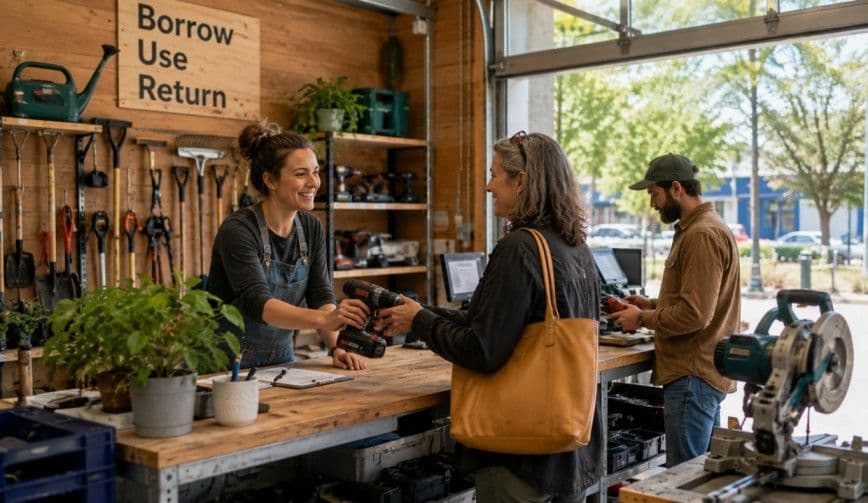
Now imagine a place where you could borrow all of these tools instead of buying them. A place where you pay a small fee, take home a drill for the weekend, and return it when you are done. This idea is called a tool library, and it might just be the next smart little business idea for a city like Burlington.
What Is a Tool Library, Really?
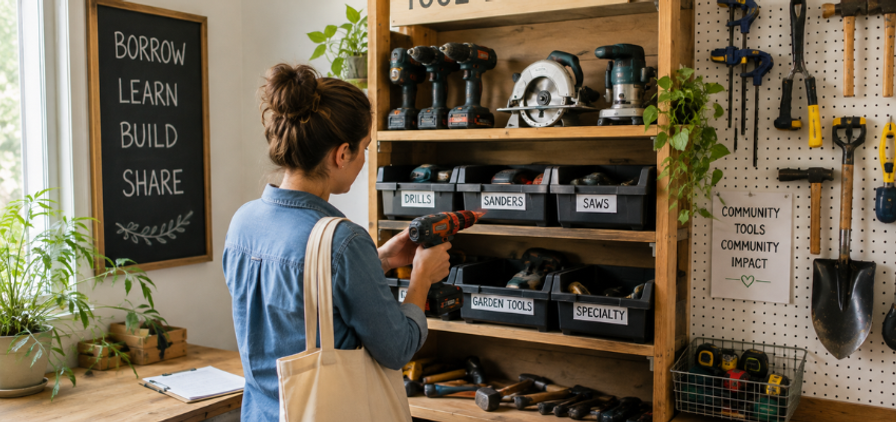
A tool library works almost exactly like a regular library. Instead of borrowing books, you borrow tools. You sign up as a member, pick what you need, use it for a few days, and bring it back.
This idea fits into something bigger called the sharing economy. In simple words, this means people sharing things instead of everyone buying their own copy. You have probably already seen this idea in action with bike sharing or car sharing. A tool library just applies the same thinking to hammers, drills, and lawn mowers.
Here is a quick comparison to make it clearer:
| Buying a Tool | Borrowing from a Tool Library |
|---|---|
| High one-time cost | Small membership or rental fee |
| Sits unused most of the year | Shared with many people |
| You store and maintain it | The library stores and maintains it |
| Takes up space at home | Takes up no space at home |
Simple, right? You get the tool when you need it, and you skip the cost and clutter the rest of the time.
Why Burlington Fits This Idea So Well
Burlington is not just any city. It has a personality that leans toward caring for the environment, supporting local businesses, and living a simple, thoughtful life. This is often called sustainable living, and it basically means making choices that are kinder to the planet and to your wallet.
Here are a few reasons Burlington could be the perfect home for this idea.
| Reason | Why It Matters |
|---|---|
| Strong sense of community | Neighbours already know and help each other |
| Long, tool-heavy winters | Snow blowers and shovels are needed for only a few months |
| Older housing stock | More home repairs mean more tool needs |
| Love for local and green choices | People already want to reduce waste |
Vermont winters are no joke. You need a snow blower for a few months, then it just sits there for the rest of the year. Same goes for garden tools in spring or pressure washers in summer. Most tools in a home are seasonal, which makes borrowing far more practical than buying.
This kind of setup is often called community tool sharing, and it works best in places where people already trust their neighbours a little. Burlington checks that box easily.
Can It Actually Work as a Business?
This is the big question. Plenty of tool libraries exist already, but most of them are run by nonprofits, not businesses trying to make a steady profit. So can a tool rental business actually survive here, and maybe even do well?
Let's break this down honestly.
What it would need to cover:
- ●Rent for a small storage space
- ●Insurance for the tools and the space
- ●Staff to manage checkouts, cleaning, and repairs
- ●Replacing tools that break or wear out over time
Ways it could bring in money:
- ●Monthly or yearly memberships
- ●A small deposit system to protect against damage or loss
- ●Premium plans with faster pickup or home delivery
- ●Partnerships with local hardware stores
That last point matters more than people think. A hardware store might actually enjoy having a tool library nearby. Someone borrows a drill once, realizes how often they need it, and later walks into the store to buy their own. It is not really competition. It is more like a taste test before a purchase.
Many similar setups take a middle path. Instead of choosing between charity and business, they build what is called a social enterprise. In plain words, this means a business that earns money while also doing something genuinely useful for the community. It does not have to choose between purpose and profit. It can aim for both.
The Bigger Idea Behind All This: A Circular Economy
There is a term worth knowing here, called the circular economy. It simply means using things again and again instead of throwing them away after one use. A tool library is a small, real-life example of this idea.
Instead of a hundred people each buying their own rarely used ladder, one ladder gets used by a hundred people. Less waste, less clutter, and less money spent on things that mostly just take up space.
This is good for the planet, sure. But it is also just good sense for your wallet. Owning tools you barely use is a quiet money leak that most people never really notice.
Challenges to Keep in Mind
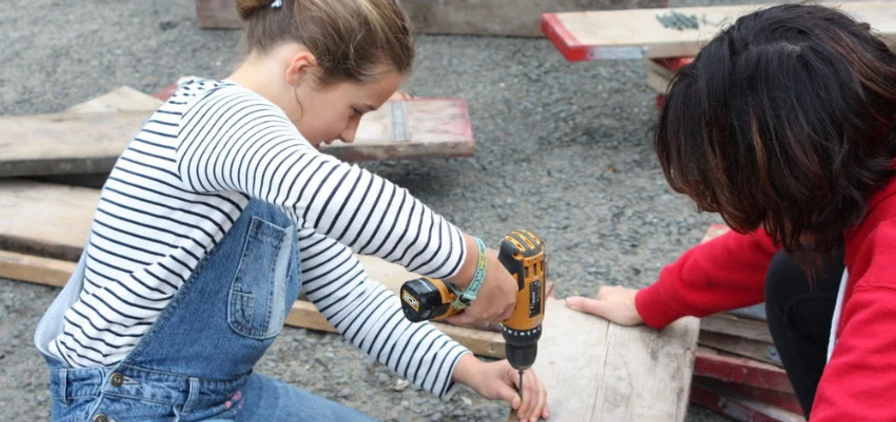
No good idea comes without a few bumps along the way. Here are the main challenges a tool library in Burlington would likely face.
- ●Space costs money. Storing dozens of tools needs a proper space, and rent in Burlington is not cheap.
- ●People forget to return things. Chasing someone down for a missing hedge trimmer is nobody's idea of fun.
- ●Demand changes with the seasons. Snow blowers get booked solid in January, then sit untouched by July.
- ●Safety needs attention. Bigger tools like table saws need proper instructions so nobody gets hurt.
None of these problems is impossible to solve. They just need planning, patience, and a system that treats trust as seriously as it treats money.
Final Thoughts
So, could a neighbourhood tool library in Burlington turn borrowing into a real business? The honest answer is yes, it very well could, but only with the right planning behind it.
Burlington already has what this idea needs. A community that likes sustainable living, a climate that demands seasonal tools, and neighbourhoods full of people who are used to helping each other out. Add a smart circular economy mindset, a touch of business sense, and maybe a partnership or two with local stores, and this idea could grow from a nice community project into something genuinely useful and lasting.
And next time your neighbour asks to borrow your drill for the fifth time this year, maybe just point them toward the local tool library instead. Your garage, and your wallet, will thank you.
Ready to Get Started?
Tool library businesses work best when they combine well-maintained equipment, honest customer guidance, and simple systems that keep members coming back to borrow again. The founders who grow fastest are the ones who plan for seasonal demand early, choose durable tools over cheap shortcuts, and build a strong reputation through word of mouth.
BossWorks helps you plan, manage, and grow your tool library business with practical strategies for branding, membership management, inventory sourcing, tool tracking, social media marketing, and business expansion.
Instead of struggling with unpredictable demand and the daily challenges of running a small sharing-based business, build smarter systems that improve bookings, attract more local members, and help your tool library stay competitive in a growing market.
Frequently Asked Questions
It is a place where you can borrow tools like drills or ladders for a fee instead of buying them.
Hardware stores charge per rental, while a tool library usually works through memberships.
Yes, through memberships, deposits, and partnerships with local businesses.
Snow blowers, ladders, drills, garden tools, and pressure washers, based on local needs.
No, most tool libraries offer simple instructions for beginners.