The Aroma Test: How a Local Coffee Roastery in Boise Is Rewriting the Rulebook
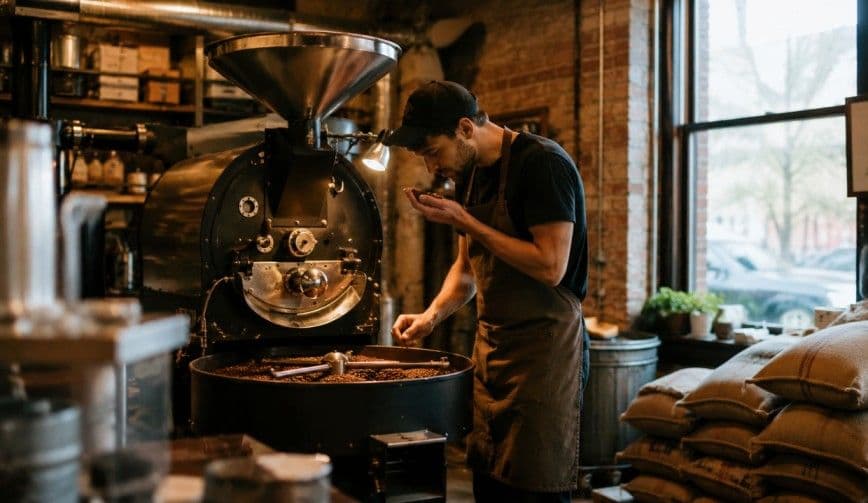
If you have ever walked past a coffee shop and stopped just because of the smell drifting out the door, you already understand the idea behind this story. In Boise, a small coffee roastery has turned that simple moment, the smell test, into something close to a science. They call it the Aroma Test, and it is quietly changing how people in the city think about their morning cup.
This is not another article about a coffee shop with exposed brick walls and a chalkboard menu. This is about a local coffee roastery that decided the smell of coffee tells you almost everything you need to know before you even take a sip. And honestly, once you hear how it works, you will probably start sniffing your own coffee bag a little more carefully too.
What Exactly Is the Aroma Test
Let's clear up the jargon right away, in the simplest words possible, so even someone who has never made a cup of coffee in their life can follow along.
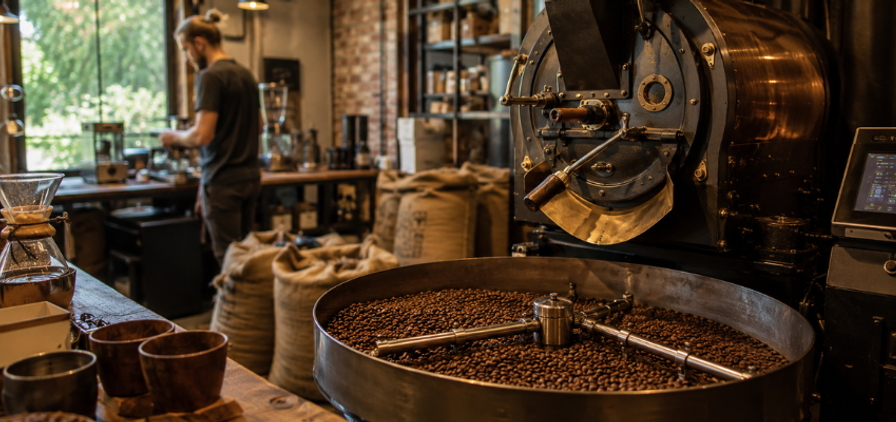
When coffee people talk about "aroma," they simply mean the smell of the coffee. This includes the smell of the dry beans and the smell once the coffee is brewed. It sounds obvious, but most roasters focus mainly on taste and leave smell as an afterthought. This roastery flipped that order and made fresh coffee aroma the first thing they check, not the last.
Before a batch of beans is approved for sale, someone on the team smells it at three different stages:
- ●Right after roasting, while the beans are still warm and full of strong smell.
- ●A few days later, once the beans have "rested." Resting simply means letting the beans sit so trapped gases can slowly escape, kind of like letting a shaken soda bottle settle down before opening it.
- ●One more time right before grinding for a test brew, just to be sure nothing has changed.
If the smell does not check certain boxes, meaning it should be rich, clean, and free of anything burnt or sour, the batch gets sent back for review. It is a bit like a chef tasting the sauce three times before it goes anywhere near a plate. Simple in concept, but it takes real discipline to actually do it every single time, every single batch, without shortcuts.
Why Smell Matters More Than You Think
Here is a fun fact that surprises most people, including grown adults who drink coffee every single day. A large part of what we experience as "taste" actually comes from smell, not from the tongue alone.
When you drink coffee, tiny aroma compounds, which are just the smell particles floating in the coffee, travel up through the back of your throat to your nose. This is why a stuffy nose during a cold can make even your favourite espresso taste flat, boring, and a little sad.
Because of this simple fact, the roastery's founders argue that a coffee with a weak or off smell will almost never taste great, no matter how skilled the barista is with the espresso machine. So instead of relying only on cupping scores, which is the industry term for formally tasting and rating coffee in a structured way, they treat smell as an early warning system. If something smells wrong, they do not even bother moving forward to a full taste test. The batch is already flagged.
A Small Roastery With Big Standards
What makes this story interesting is the size of the operation. This is not a massive company with a lab full of expensive machines and lab coats. It is a small, local business Boise residents can walk into, the kind you would find tucked into a quiet street, run by a handful of people who genuinely enjoy talking about coffee beans the way some people talk about sports teams or weekend football scores.
Yet their standards would not feel out of place at a much bigger operation. Here is a quick look at how they keep things consistent:
| Step | What Happens | Why It Matters |
|---|---|---|
| Sourcing | They track where every bag of green coffee beans comes from | Beans from different farms taste and smell different |
| Roasting | Each batch is roasted with a recorded time and temperature | Keeps every roast consistent and repeatable |
| Resting | Beans sit for a few days before use | Lets trapped gases escape for a fuller aroma |
| Aroma Check | Beans are smelled three separate times | Catches problems before the taste test even begins |
| Brewing | A small test batch is brewed and reviewed | Confirms the smell matches the final taste |
They also note the altitude and region of each farm, since beans grown high in the mountains often smell and taste different from beans grown closer to sea level. This attention to detail feeds directly into their speciality coffee roasting approach, where nothing is approved just because it looks fine on paper.
They also work closely with local cafes, offering fresh single-origin coffee, meaning beans that come from one specific farm or region rather than a blend of several. This lets customers taste the character of a single place instead of a mixed flavour profile that hides where the beans actually came from.
The Human Side of the Process
There is something refreshingly old-fashioned about the whole approach. In a world full of automated roasting machines, digital sensors, and fancy data dashboards, this roastery still trusts a human nose over a screen full of numbers. Someone has to actually lean over the beans, take a slow breath, and make a judgment call using nothing but their own senses.
Of course, this method is not perfect, and the team is the first to admit it. Human senses can be inconsistent, especially if someone has a cold, is tired, or just ate a very spicy lunch. The team handles this in a few simple ways:
- ●More than one person checks each batch, so no single nose has the final say.
- ●Smell checks are done at set times of day, when the team is fresh and alert.
- ●Notes are written down after every check, so patterns can be spotted over time.
This system supports better quality control coffee practices without needing to buy expensive lab equipment. Sometimes the simplest tools, like a well-trained nose, work just as well as machines costing thousands of dollars.
There is also a bit of humour in how seriously they take it. Team members joke that their noses are basically the most tested part of the whole roasting process, more so than any thermometer or timer in the building.
What This Means for Coffee Lovers in Boise
For everyday coffee drinkers, this attention to detail translates into a more consistent cup, day after day. You are less likely to get a batch that tastes slightly burnt one week and slightly sour the next. The roastery's commitment to freshly roasted coffee, combined with their aroma checks, means what you smell in the bag is a genuine preview of what you will taste in the cup.
It also reflects a bigger trend in the speciality coffee movement, where small local roasters are competing with big chains not by matching their size, but by focusing on quality control methods that larger operations often skip due to scale. Big companies process huge amounts of coffee at once, which makes a slow, careful method like this hard to copy. Small roasteries, on the other hand, have the freedom to slow down and pay attention to small details.
A Simple Idea Anyone Can Understand
What makes this story worth sharing is that it is not complicated at all, even for someone who has never worked in a coffee shop. The idea is simple. A good smell usually means good taste, and a bad smell usually means something went wrong. By checking smell early and often, this roastery avoids wasting good beans and avoids selling coffee that does not meet its own standards.
Final Thoughts
The Aroma Test might sound like a small thing, just a sniff before a sip, but it captures something bigger about how this Boise coffee roastery does business. They are not chasing trends or fancy machinery. They are paying close attention to the basics and trusting that good coffee starts long before it ever reaches your cup.
Next time you catch that rich, inviting smell walking past a coffee shop, remember that somewhere behind the counter, someone may have already given that batch the sniff test and passed it with flying colours.
Ready to Start Your Coffee Shop Business?
Starting a coffee shop business is absolutely possible. Many café owners begin with a simple idea, a strong love for coffee, and a space that brings people together. The cafés that succeed are not always the biggest or the fanciest. They simply prepare properly before opening their doors.
BossWorks helps aspiring coffee shop owners plan and launch with clarity, without the confusion that wastes time and money.
✓ Estimate your exact startup costs based on café size, equipment, menu, and location
✓ Understand permits, licenses, and local café requirements before you launch
✓ Create realistic revenue projections with clear break-even goals and monthly cash flow
✓ Identify hidden expenses early, from staffing costs to inventory management
✓ Build a café business strategy designed for long-term customer loyalty and steady income
Frequently Asked Questions
It is a smell check done at three stages of roasting to catch problems before the coffee is sold.
Most of what we taste actually comes from smell, so bad smell usually means bad taste too.
It means letting roasted beans sit for a few days so trapped gases can escape naturally.
It is coffee made from beans grown in one specific farm or region, not mixed with others.
Most local roasteries welcome visitors, but it is best to check their hours before going.