Launching a Mobile Farmers Market Delivery Route in Asheville
Have you ever tried to carry six bags of groceries, two watermelons, and a big bunch of kale up a steep hill in Asheville? If you have, you already know why a mobile farmers market delivery service is such a smart idea. Asheville is a beautiful city, but it is not flat at all. Between the hills, the busy traffic downtown, and the fact that the best farmers markets often happen while people are at work or school, getting fresh food from a farm stand to your kitchen table can feel like a small workout.
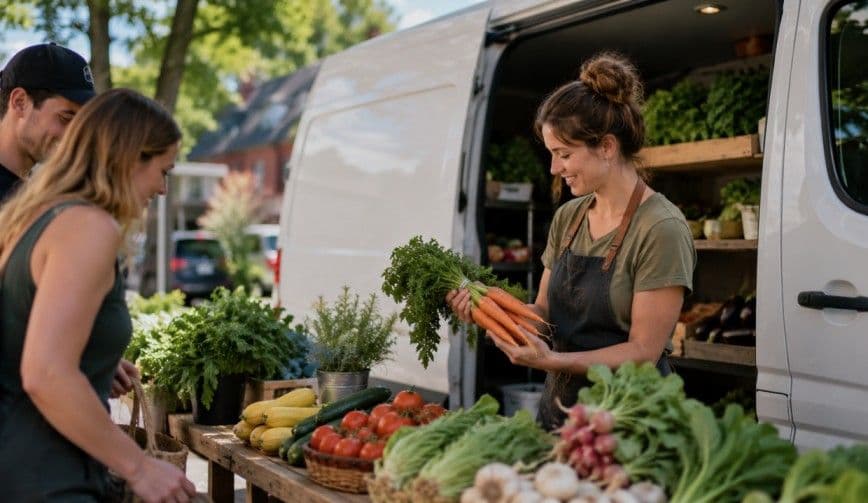
That is where a mobile farmers market delivery route comes in. Instead of asking people to come to the market, the market comes to them. Picture a small moving farm stand that stops in neighbourhoods, apartment buildings, and even office parking lots around town. It mixes the friendly feeling of a local farm stand with the ease of a home delivery service, and honestly, that combination just makes sense.
Why Asheville Is a Great Place for This Idea
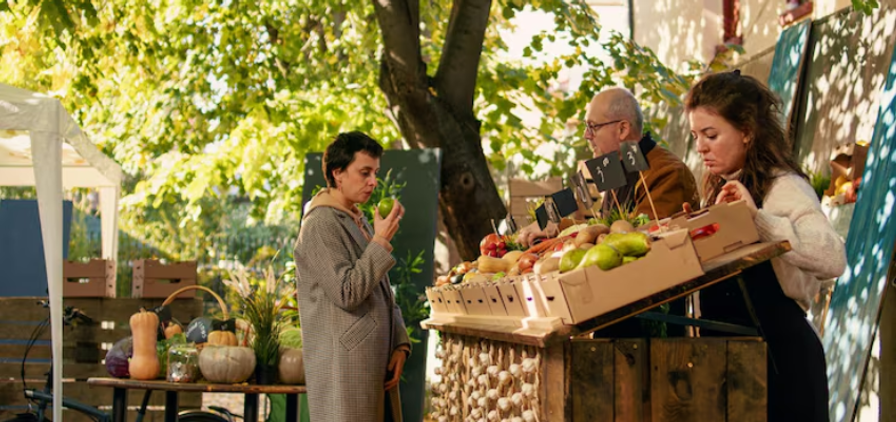
Asheville already has a strong love for local food. People here care about where their food comes from, and there are many small farms in the nearby hills growing everything from juicy tomatoes to fresh eggs. The real problem is not a lack of good food. The problem is getting that food to people who are busy, do not drive, or simply cannot make it to a market that closes at 1 p.m. on a Saturday.
A fresh produce delivery route fixes that gap perfectly. It helps local farmers by giving them a steady way to sell more of what they grow. At the same time, it gives families fresh, seasonal food without needing to plan their whole weekend around a market schedule. In simple words, everybody wins, including the vegetables, which finally get to leave the farm and see the world.
How the Delivery Route Actually Works
Setting up a route like this is a bit like planning a school field trip, except instead of visiting a museum, you are dropping off strawberries. Here is how it works, step by step, in plain and simple words.
1. Sourcing the produce: The first step is teaming up with local farms. This is often called farm-to-table sourcing, which just means the food travels straight from the farm to the customer without stopping at a big grocery warehouse first. This keeps the food fresher and helps small farmers earn more money.
2. Building the route: Next comes planning the stops. This usually means picking a mix of neighbourhoods, senior living communities, schools, and workplaces. The goal is to choose spots with steady demand, kind of like how a mail truck or an ice cream truck picks its route, except this one is full of lettuce instead of popsicles.
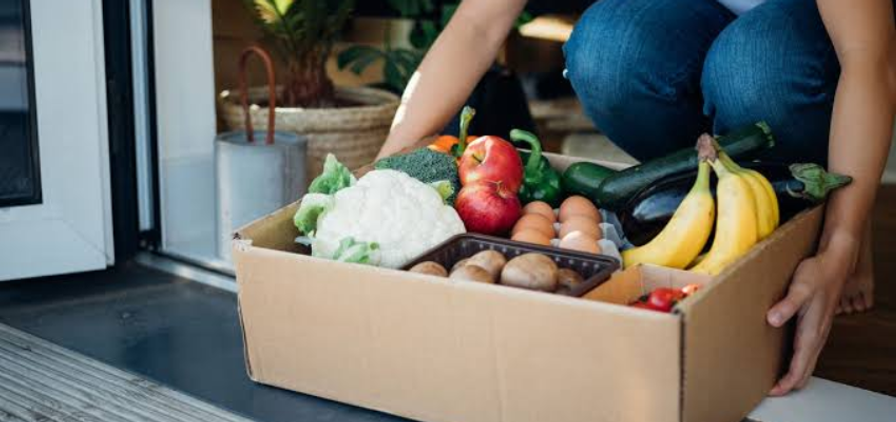
3. Packing the orders: Produce gets packed into boxes or bags, often called CSA boxes. CSA stands for Community Supported Agriculture, which is just a fancy way of saying customers pay ahead of time for a regular box of seasonal food. It works a bit like a subscription, but for carrots and apples instead of cartoons or games.
4. Making the stop: On delivery day, the van or truck pulls up, sets out a small table or a few crates, and people come grab their order. Some routes even let people look around and buy a few extra items right there, so it feels less like a package drop and more like a mini pop-up farmers market appearing right on their street.
Traditional Market vs Mobile Delivery Route
Sometimes it helps to see things side by side. Here is a simple comparison table showing how a regular farmers’ market stall is different from a mobile market route.
| Feature | Traditional Farmers Market | Mobile Delivery Route |
|---|---|---|
| Location | One fixed spot | Multiple neighborhood stops |
| Hours | Limited, often mornings only | Flexible, can fit work or school schedules |
| Travel needed | Customer must travel to market | Delivery comes closer to home |
| Access for elderly or disabled | Can be difficult | Much easier, no travel needed |
| Impulse shopping | Yes, browsing many stalls | Limited, but still possible at the stop |
| Weather exposure | Full outdoor exposure | Shorter time outside during pickup |
As the table shows, both options have their charm, but a mobile route solves many of the access problems that a fixed market cannot.
The Bumps Along the Way
No new idea runs perfectly smooth from day one, and a mobile farmers market delivery route is no different. A few common challenges include the following points.
- ●Weather changes. Asheville weather can change its mind faster than a kid picking a flavour of ice cream. Rain, heat, and the occasional surprise frost can affect both the harvest and the delivery schedule.
- ●Matching supply with demand. Farms do not always grow food on a convenient business calendar, so routes need some flexibility built into the plan.
- ●Parking and street access. Some neighbourhoods have narrow streets or strict parking rules, so route planning takes a bit of trial and error at the start.
- ●Keeping food fresh during transport. Produce needs proper cooling and careful packing so it does not wilt before it reaches the customer, which is sometimes called maintaining the cold chain.
None of these problems is a deal breaker. They are simply the normal growing pains of starting something new, and most challenges become easier once the route has been running for a season or two.
Why It Matters for the Whole Community
Beyond simple convenience, a mobile farmers market delivery route helps keep money inside the local community. When people buy directly from nearby farms, more of that money stays close to home instead of going to a large national supply chain far away. This idea is often called supporting the local economy, and it means small farmers get to keep doing what they love.
It also helps cut down on food miles, which is just a simple way of describing how far food travels before it reaches your plate. Shorter food miles usually mean fresher produce, less fuel used for transport, and a smaller impact on the environment. Basically, the tomato spends less time on a truck and more time on your dinner table.
This kind of route also opens up access for people who might not otherwise reach a farmers market at all, whether that is because of limited transportation, mobility issues, or a packed weekly schedule. Fresh food should not be something only available to people who have a free Saturday morning and a car to drive there.
A Few Tips for Anyone Starting a Similar Route
If you are thinking about starting your own mobile farmers market delivery service, here are a few simple and friendly tips to keep in mind.
- ●Start small with just a few stops before expanding across the whole city.
- ●Build strong relationships with local farms, so supply stays steady.
- ●Use simple online tools or a basic app for order taking and scheduling.
- ●Keep prices fair for both farmers and customers so the route stays sustainable.
- ●Ask customers for feedback often, since happy neighbours often become the best form of word of mouth marketing.
Final Thoughts
Launching a mobile farmers market delivery route in Asheville is not just a nice idea; it is a practical solution to a real everyday problem. It brings fresh, local produce closer to people, supports small farms, and adds a bit of neighbourhood charm to something as simple as grocery shopping. And honestly, there is something wonderful about hearing a knock at the door and knowing it is fresh peaches waiting outside instead of another plain cardboard box from an online order.
Ready to Get Started?
Courier and delivery service businesses are growing faster these days, and it is because they combine fast logistics, smart route management, reliable customer service, and efficient delivery systems. The businesses that adapt quickly are the ones building loyal customers, stronger operations, and long-term profits.
BossWorks helps you plan, manage, and grow your courier and delivery service business with practical strategies for delivery operations, route planning, fleet management, customer handling, pricing systems, local marketing, and business expansion.
Instead of struggling with rising fuel costs, delivery delays, and growing competition, you can build smarter systems that improve efficiency, increase customer satisfaction, attract repeat business, and help your delivery company grow in a competitive market.
Frequently Asked Questions
It is a service that brings fresh, local produce straight to neighbourhoods on a set schedule instead of making people travel to a market.
Regular grocery delivery often comes from store shelves, while this route brings food directly from local farms, so it is fresher.
CSA stands for Community Supported Agriculture, where customers pay ahead for a regular box of seasonal farm produce.
Many routes offer a standard seasonal box, and some also let customers add extra items right at the delivery stop.
No, while it helps people with limited transportation, many customers simply enjoy the convenience of fresh food arriving close to home.