What It Costs to Launch a Grocery Business in Albuquerque

Opening a grocery business can be a rewarding investment, especially in a growing city like Albuquerque. Every household needs groceries, which means there is always demand for fresh produce, dairy products, snacks, beverages, and household essentials. While the idea of owning a grocery store sounds exciting, understanding the startup costs is essential before making any major financial decisions.
A successful Grocery Store Business in Albuquerque requires careful planning, sufficient capital, the right location, and a clear understanding of operating expenses. Whether you are planning a small neighbourhood market or a larger supermarket, knowing what costs to expect can help you avoid surprises and create a realistic budget.
This guide explains everything you need to know about launching a grocery business in Albuquerque, including startup costs, licenses, equipment, inventory, staffing, and potential profits.
Why Albuquerque Is a Good Place for a Grocery Business
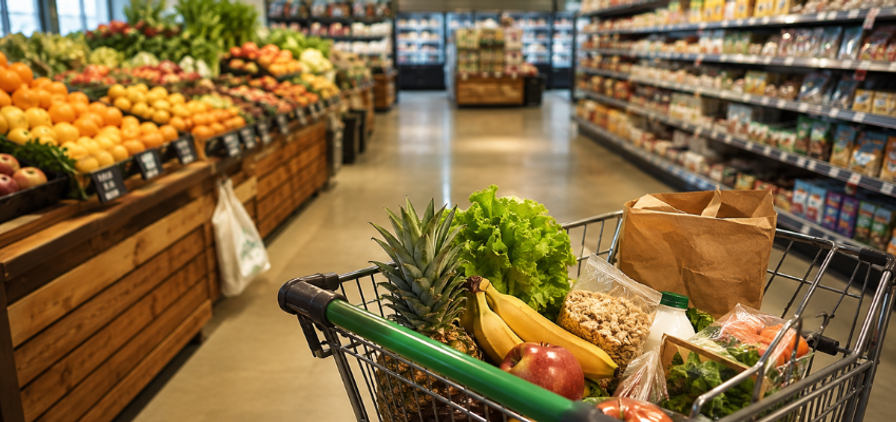
Albuquerque is the largest city in New Mexico and continues to attract families, professionals, and retirees. This growing population creates a steady demand for grocery stores.
Several factors make Albuquerque attractive for entrepreneurs:
- ●Expanding residential communities
- ●Consistent demand for essential products
- ●Opportunities to serve local neighbourhoods
- ●Growing interest in fresh and locally sourced foods
- ●Lower operating costs compared to many major U.S. cities
Many entrepreneurs researching how to open a grocery store in Albuquerque find that local neighbourhoods often support independently owned stores that offer convenience and personalised service.
Understanding the Initial Investment
One of the first questions aspiring business owners ask is how much money they need to get started.
The answer depends on several factors:
- ●Store size
- ●Location
- ●Inventory selection
- ●Equipment requirements
- ●Staffing needs
A small grocery store can require a significantly lower investment than a full-sized supermarket.
Estimated Grocery Store Startup Costs
| Expense Category | Estimated Cost |
|---|---|
| Lease Deposit and Advance Rent | $3,000 - $15,000 |
| Store Renovation | $10,000 - $50,000 |
| Shelving and Displays | $5,000 - $30,000 |
| Refrigeration Equipment | $15,000 - $60,000 |
| Initial Inventory | $20,000 - $150,000 |
| Licenses and Permits | $500 - $3,000 |
| POS System | $1,500 - $8,000 |
| Marketing and Advertising | $2,000 - $10,000 |
| Working Capital | $10,000 - $50,000 |
Estimated Total Investment: $67,000 to $376,000+
The actual grocery store startup cost Albuquerque entrepreneurs face will vary depending on business size and location.
Finding the Right Location
Location is one of the most important decisions when launching a grocery business.
A great location can attract customers naturally, while a poor location may require constant marketing efforts just to generate traffic.
Look for areas with:
- ●High residential density
- ●Good parking availability
- ●Easy road access
- ●Strong visibility
- ●Limited nearby competition
When evaluating locations for an Albuquerque retail business, consider both current population and future neighbourhood growth.
Average Monthly Rent in Albuquerque
| Store Size | Estimated Monthly Rent |
|---|---|
| Small Store (1,000–2,000 sq ft) | $1,500 - $4,000 |
| Medium Store (2,000–5,000 sq ft) | $4,000 - $10,000 |
| Large Store (5,000+ sq ft) | $10,000 - $25,000+ |
Although premium locations cost more, they often provide better customer traffic.
Licenses and Permits You May Need
Before opening your doors, you must complete the legal requirements for operating a grocery business.
Common licenses include:
- ●Business registration
- ●Employer Identification Number (EIN)
- ●State tax registration
- ●Food handling permits
- ●Health department approvals
- ●Fire safety inspections
- ●Seller permits
Obtaining the proper grocery business license Albuquerque authorities require is an important step that should not be delayed.
What Is an EIN
An Employer Identification Number, commonly called an EIN, is a federal tax identification number used to identify your business. It functions much like a Social Security number for a company.
Inventory Costs
Inventory is often one of the largest startup expenses.
Without products on the shelves, customers have little reason to visit your store.
Most grocery stores stock:
- ●Fruits and vegetables
- ●Dairy products
- ●Frozen foods
- ●Snacks
- ●Beverages
- ●Household supplies
- ●Packaged foods
- ●Personal care items
For a small grocery store business, inventory costs typically range from $20,000 to $40,000 initially.
Larger stores may invest more than $100,000 in inventory before opening.
Equipment You Will Need
Running a grocery store requires specialized equipment.
Essential items include:
- ●Refrigerators
- ●Freezers
- ●Checkout counters
- ●Cash registers
- ●Shopping carts
- ●Display shelves
- ●Security cameras
- ●Storage racks
- ●Digital weighing scales
Understanding POS Systems
A POS system stands for Point of Sale system.
It processes customer transactions, tracks inventory, records sales data, and helps manage daily operations. Modern POS systems save time and reduce errors.
Hiring Employees
Even smaller stores usually require some staff assistance.
Common positions include:
- ●Cashiers
- ●Stock clerks
- ●Store managers
- ●Cleaning staff
- ●Inventory assistants
Employee wages are an important ongoing expense.
Estimated Monthly Payroll Costs
| Employee Type | Estimated Monthly Cost |
|---|---|
| Cashiers | $2,500 - $6,000 |
| Stock Clerks | $2,000 - $5,000 |
| Manager | $3,500 - $6,500 |
| Cleaning Staff | $800 - $2,000 |
| Total Payroll | $8,800 - $19,500+ |
Many first-time owners manage the store themselves during the early stages to reduce labour costs.
Marketing Your Grocery Store
Even the best grocery store needs customers.
Marketing helps create awareness and drive traffic during the launch phase.
Effective marketing strategies include:
- ●Social media advertising
- ●Local newspaper ads
- ●Community sponsorships
- ●Loyalty programs
- ●Referral discounts
- ●Grand opening promotions
- ●Email marketing campaigns
A well-planned marketing campaign can help establish your supermarket business in Albuquerque so that customers recognise and trust.
Utility and Operating Expenses
Many new business owners focus only on startup costs and forget about monthly operating expenses.
Common recurring costs include:
- ●Electricity
- ●Water
- ●Internet
- ●Waste disposal
- ●Insurance
- ●Equipment maintenance
- ●Payroll
- ●Inventory replenishment
Refrigeration systems can consume significant amounts of electricity, making utility costs an important budget consideration.
How Much Profit Can a Grocery Store Make
Many people imagine grocery stores generating huge profits because they handle large volumes of sales.
The reality is slightly different.
Most grocery stores operate on modest profit margins but make up for it through frequent customer purchases.
Grocery Store Profit Margins
| Metric | Typical Range |
|---|---|
| Gross Profit Margin | 20% - 35% |
| Net Profit Margin | 1% - 5% |
| Monthly Revenue Potential | Varies by Store Size |
| Customer Repeat Rate | Often Weekly |
The average grocery store profit margin may appear small, but consistent customer traffic can produce strong long-term earnings.
Ways to Increase Profits
Successful grocery stores focus on maximizing customer value.
Consider these strategies:
- ●Offer Speciality Products: Local foods, organic products, and speciality items often command higher margins.
- ●Introduce Delivery Services: Many customers appreciate the convenience of home delivery.
- ●Create Loyalty Programs: Reward repeat customers with discounts and exclusive offers.
- ●Sell Prepared Foods: Ready-to-eat meals often provide better margins than packaged grocery products.
- ●Reduce Waste: Managing inventory carefully can prevent losses from expired products.
Common Challenges Grocery Store Owners Face
Every business faces obstacles.
Common grocery store challenges include:
- ●Strong competition
- ●Rising operating costs
- ●Inventory spoilage
- ●Supply chain disruptions
- ●Labour shortages
Good planning and financial management can help reduce these risks.
Tips for Launching a Successful Grocery Business
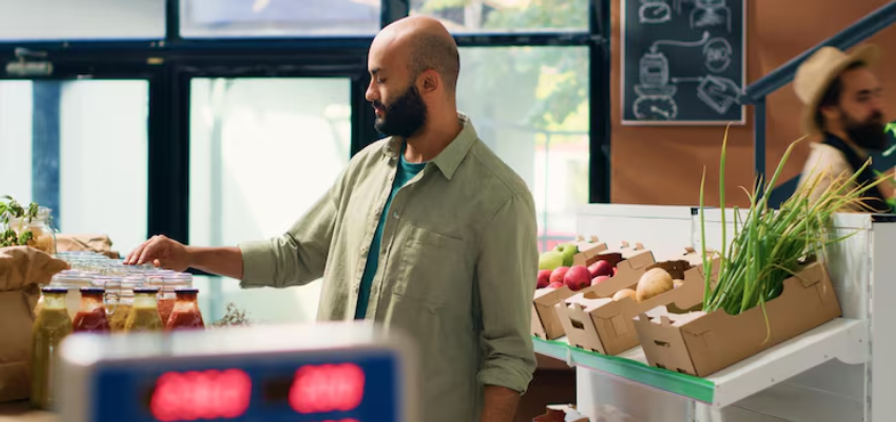
If you want your grocery store investment to receive support from Albuquerque residents for years, keep these tips in mind:
- ●Conduct thorough market research
- ●Choose the right location
- ●Track inventory closely
- ●Build supplier relationships
- ●Focus on customer service
- ●Control operating costs
- ●Adapt product offerings to local demand
Customers often return to stores that provide convenience, quality products, and friendly service.
Final Thoughts
Launching a Grocery Store Business in Albuquerque can be an excellent opportunity for entrepreneurs looking to enter a stable and essential industry. While startup costs can range from tens of thousands to hundreds of thousands of dollars, careful planning can help manage expenses and improve profitability.
Understanding the true grocery store startup cost Albuquerque business owners face is the first step toward building a successful operation. By selecting the right location, maintaining efficient inventory systems, obtaining the necessary licenses, and focusing on customer satisfaction, you can create a grocery business that serves the community while generating long-term revenue.
Groceries may not be the most glamorous products in the world, but unlike many trends that come and go, people will always need food. That makes the grocery industry one business that never goes out of style.
Ready to Start Your Retail Business?
Starting a retail business is absolutely doable. Thousands open every year. The ones who succeed are not luckier. They simply understand what to expect before they open their doors.
BossWorks helps aspiring retail business owners plan and launch with clarity, without the guesswork that drains time and money.
✓ Map your exact startup costs based on store type, inventory, and local demand
✓ Understand permits and basic requirements in your area, including licenses if needed
✓ Create realistic income projections with clear break-even points and steady cash flow
✓ Identify hidden costs early so they do not disrupt your plans later
Frequently Asked Questions
Most grocery businesses require an investment ranging from $67,000 to over $376,000, depending on size, inventory, equipment, and location.
You may need business registration, tax permits, health approvals, food handling permits, fire inspections, and other local licenses.
Yes. Although profit margins are typically between 1% and 5%, regular customer purchases can generate steady revenue.
Inventory, refrigeration equipment, and lease costs are usually the largest startup expenses.
Yes. Many entrepreneurs begin with a small neighbourhood grocery store and gradually expand as revenue grows.