How Much It Costs to Start an Appliance Repair Business in Louisville in 2026
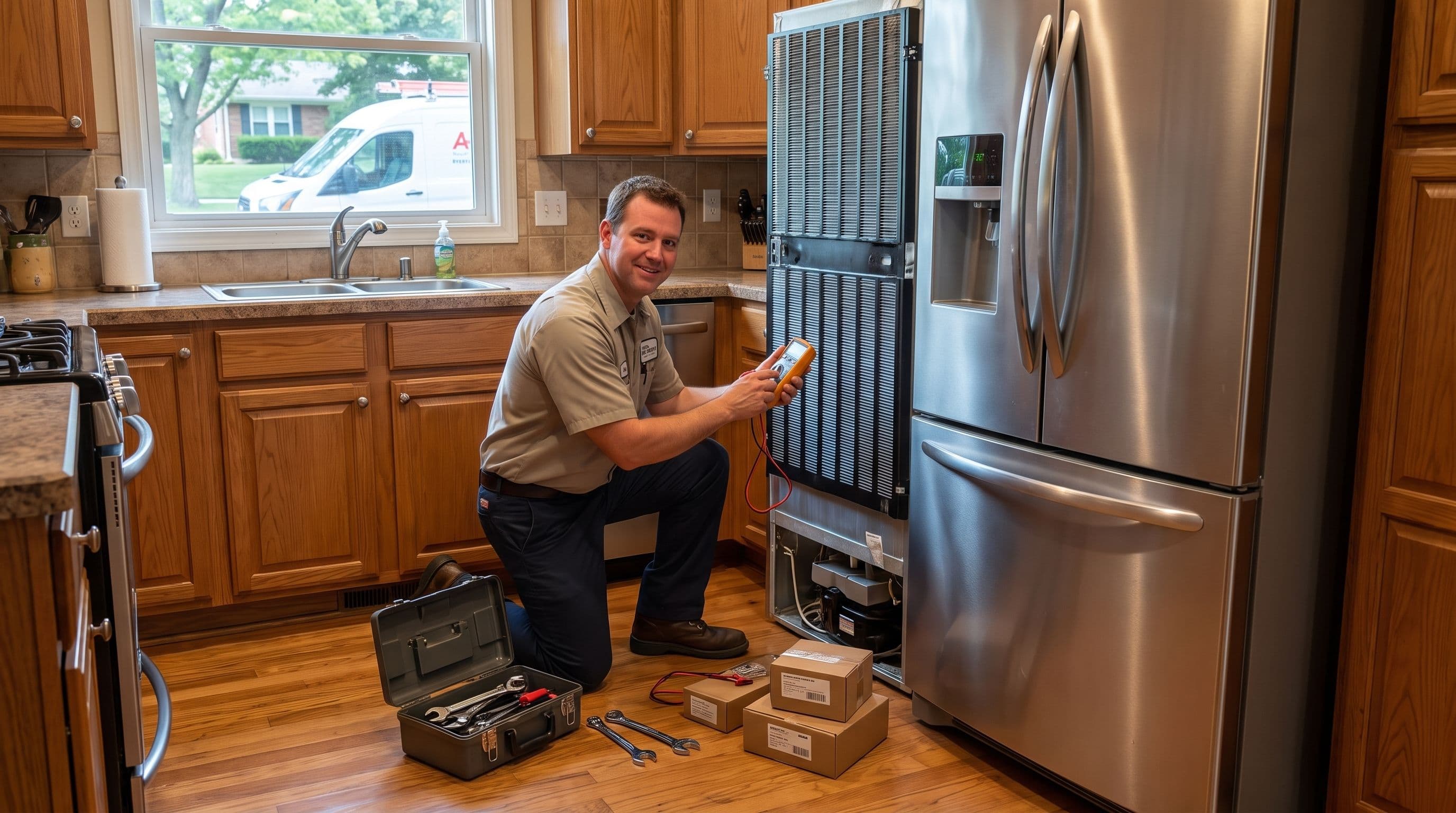
Before buying a single tool, you need to know what it will really cost to start an appliance repair business in Louisville. Online estimates often either lowball the costs or make them seem much higher than they are.
This guide breaks down the real startup costs, from tools and licenses to insurance, taxes, and operating expenses. You’ll see which costs are essential, which you can delay, and how Louisville’s market affects your budget.
Whether you’re starting from scratch or going out on your own, knowing your costs upfront helps you price your services confidently, cover your expenses, and build a profitable business.
The Startup Costs Nobody Warns You About
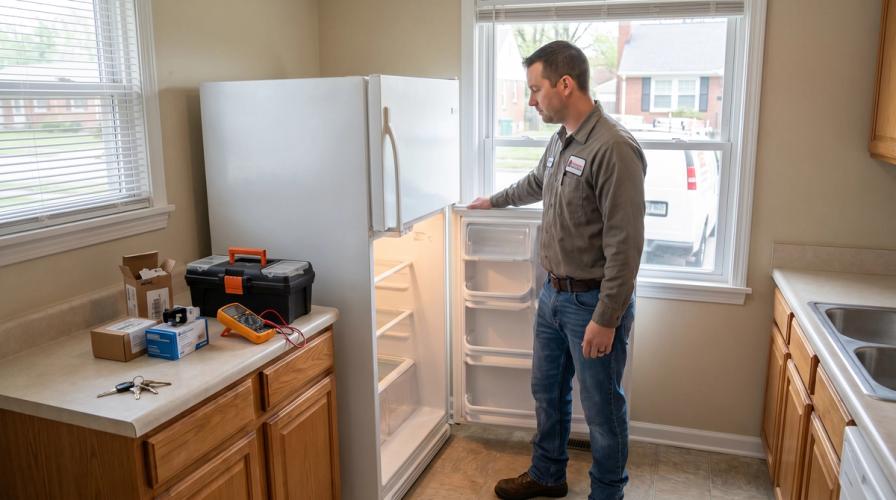
New owners often focus on tools because they are easy to see and understand. But the bigger financial risks can be less obvious. Insurance, business registration, fuel, software, and the income you may lose while building your customer base can quickly add up.
There is also a big difference between starting with the bare minimum and being properly equipped. A basic setup might include a used meter, a borrowed vehicle, and a simple business sign. A more reliable setup includes trusted diagnostic tools, parts inventory, insurance, and enough cash to cover the first few slow weeks.
| Often-Overlooked Cost | Why It Matters |
|---|---|
| Business registration | Required to legally operate your business |
| General liability insurance | Protects you from costly claims |
| Business phone and software | Helps manage calls, scheduling, and customers |
| Fuel and vehicle costs | Increase as you travel between service calls |
| Parts inventory | Lets you complete common repairs without delays |
| Emergency cash reserve | Covers slow weeks and unexpected expenses |
| Self-employment taxes | Reduces the income you actually take home |
Louisville's geography also affects your budget. Jobs can take you across the Highlands, East End, and outer parts of Jefferson County, so fuel and driving time can quickly reduce your margins. Plan for the entire service area, not just the customers closest to home.
The goal is not to spend more than necessary. It is to understand the full cost of running the business so you do not run out of cash just when the first few customers start calling.
For a deeper breakdown, check out all you need to know about the home service business
Licensing, Registration, and Compliance
The paperwork side of starting an appliance repair business in Kentucky is more manageable than it may seem, but missing a step can create problems once you start taking paid jobs.
Start by choosing your business structure. Many solo technicians choose an LLC to separate personal and business liability. You can then register the business with the Kentucky Secretary of State and apply for a free Employer Identification Number (EIN) directly through the IRS.
The EIN is free, so there is no reason to pay a third-party website for one. It also makes it easier to open a business bank account and keep your business finances separate.
Local Requirements to Check
Louisville Metro and Jefferson County add another layer of requirements. Before taking your first job, check:
- ●Business registration: Make sure your business is properly registered.
- ●Occupational license tax: Louisville Metro applies an occupational license tax to business net profits.
- ●Home-based business rules: Check requirements if you plan to operate or store parts at home.
- ●Local permits: Confirm whether your specific repair services require additional permits or approvals.
Handling these requirements before your first paid job is much easier than trying to fix a compliance issue later.
Insurance You Should Not Skip
Insurance is another essential startup expense. General liability coverage can protect you if you accidentally damage a customer's floor, wall, appliance, or other property while working.
If you use a vehicle for business, commercial auto insurance may also be necessary. A personal auto policy may not cover an accident that happens while the vehicle is being used for work.
Insurance can also help you win better customers. Property managers and apartment complexes may require proof of coverage before allowing technicians onto their properties.
| Compliance Item | Typical Cost | Notes |
|---|---|---|
| Kentucky LLC filing | $40 | One-time filing through the Secretary of State |
| EIN from the IRS | $0 | Free when obtained directly from the IRS |
| Louisville Metro business registration | Varies | Includes occupational license tax requirements |
| General liability insurance | $500-$1,200/year | Often available with monthly payments |
| Commercial auto insurance | $1,200-$2,500/year | Cost varies based on vehicle and coverage |
The exact requirements and costs can vary based on your business structure, location, vehicle, and services. Check the current Kentucky and Louisville Metro requirements before spending money or taking your first customer.
Thinking of starting a home service business? Start smart with a proven plan designed for a steady local income.
Tools, Parts, and the Vehicle
You do not need an expensive toolkit to start an appliance repair business. Focus on reliable essentials and add speciality equipment as your jobs require it.
Essential Tools
- ●Digital multimeter
- ●Nut drivers and screwdrivers
- ●Pliers
- ●Cordless drill
- ●Clamp meter
- ●Appliance pullers
- ●Leak detector
Buy reliable mid-grade tools first and upgrade as your business generates steady cash. Speciality equipment for refrigerant work can wait until you take on those jobs and meet the required certification requirements.
Keep Parts Inventory Lean
Parts can quickly tie up your startup cash. Instead of stocking everything:
- ●Carry a small supply of common, fast-moving parts.
- ●Order model-specific parts for each job.
- ●Use Louisville suppliers offering same-day or next-day options.
- ●Include a clear parts markup in your pricing.
Choose the Right Vehicle
If you already own a reliable SUV, pickup, or minivan, using it can keep startup costs low. A used service van offers more storage but adds purchase, commercial insurance, and maintenance costs.
For most new solo operators, starting with an existing vehicle and upgrading to a van once revenue becomes consistent is the more practical approach.
Read More | How the AB5 Contractor Law Actually Affects a First-Time Cleaning Business Owner in Los Angeles.
The Real Monthly Overhead
Once the business is running, several costs continue every month whether the phone rings or not. Fuel can be one of the biggest expenses for a mobile repair business, along with phone service, software, insurance, and marketing.
Two other costs are easy to overlook:
- ●Vehicle upkeep: Oil changes, tyres, brakes, and unexpected repairs require a maintenance reserve.
- ●Tool replacement: Meters, drills, and bits eventually wear out, so setting aside money each month prevents surprise purchases.
Don't Forget Taxes
Self-employed owners must account for both self-employment and income taxes. A common rule of thumb is to set aside 25% to 30% of net income in a separate account. Treat this money as unavailable for everyday spending.
Typical Monthly Overhead
| Monthly Expense | Estimated Cost |
|---|---|
| Fuel | $300-$500 |
| Phone and internet | $80 |
| Scheduling and invoicing software | $30-$100 |
| Insurance, liability and auto | $150-$300 |
| Marketing | $100-$400 |
| Vehicle maintenance reserve | $100-$200 |
| Tool replacement reserve | $50 |
Adding these recurring costs gives you your basic monthly overhead. Knowing this number helps you understand how much you need to earn each month before the business starts generating real profit.
Pricing So the Business Actually Profits
Many skilled repair technicians underprice their work. Two common approaches are service-call pricing plus labour and flat-rate pricing. Some businesses combine both by charging a diagnostic fee and then using flat-rate repair prices.
Whatever model you choose, every price needs to cover:
- ●Parts
- ●Labor
- ●Travel
- ●Overhead
A job can look profitable until fuel, insurance, software, and other operating costs are included. Use a healthy parts markup and price your labour based on the skill and time involved.
For the Louisville market, know what competitors charge without trying to be the cheapest. Reliable service, clear communication, and showing up on time can justify a fair price and encourage repeat customers.
Property managers, landlords, and apartment complexes can also provide more consistent work. Professionalism, insurance, quick response times, and clean invoicing can help build these relationships.
Finally, review your prices as your skills, demand, and costs increase. Give existing customers reasonable notice before raising rates and make sure the increase reflects the value you provide.
Your Break-Even Number
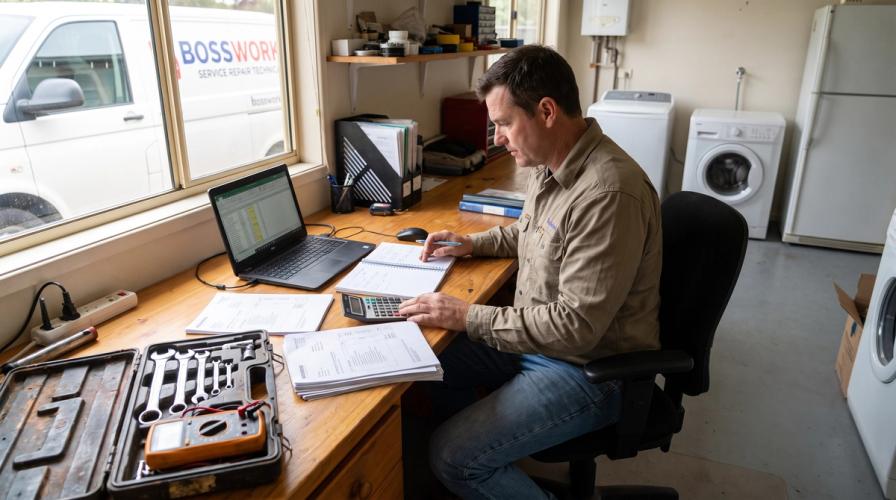
Your break-even number tells you how much you need to earn each month just to cover your costs. Calculate it before taking your first job.
Start by adding your monthly overhead, tax reserve, and replacement costs. Then compare that total with your average repair ticket.
For example, if monthly costs are $1,500 and you make about $200 per completed repair after parts, you need roughly 8 paying jobs per month to break even.
Keep these goals in mind:
- ●Build a cash cushion for slow periods.
- ●Keep your tax money separate.
- ●Set a revenue target above break-even.
- ●Prepare for unexpected vehicle and tool repairs.
Starting an appliance repair business in Louisville can be affordable, especially if you already own a reliable vehicle. The goal is not to spend the most upfront. It is to know your numbers, price every job properly, and treat your break-even point as the minimum monthly target.
Read More | How Much Does It Cost to Start a Cleaning Business in Chicago? (2026 Budget Breakdown)
Final Thoughts
Starting an appliance repair business in Louisville does not require a huge upfront investment, but it does require careful planning. Your highest costs will usually come from tools, transportation, insurance, parts, marketing, and the cash needed to cover slow periods.
The smartest approach is to start lean, use what you already have where possible, and add equipment as your customer base grows. Most importantly, know your monthly overhead and break-even number before you start taking jobs.
When you price your services to cover parts, labour, travel, taxes, and overhead, you are not just creating a busy business. You are building one that can actually make money and grow over time.
Ready to Start a Business?
Starting an appliance repair business is absolutely doable. The owners who succeed are not simply the ones with the best tools. They are the ones who understand their costs, pricing, and daily expenses before taking their first job.
BossWorks helps aspiring home service entrepreneurs plan and launch with clarity, without the guesswork that drains time and money.
✓ Map your startup costs based on your tools, vehicle, parts, and business needs
✓ Understand registration and basic requirements, so you know what to handle before getting started
✓ Set realistic income and break-even targets, so you know how many jobs you need each month
✓ Identify hidden and recurring costs early so unexpected expenses do not disrupt your business
Frequently Asked Questions
A lean start can cost under $2,000 if you already own a vehicle. A fully equipped setup with a used service van can approach $20,000.
You need to register your business, get an EIN, and register with Louisville Metro for local tax requirements. Refrigerant work has additional federal certification requirements.
Usually not. Start with a reliable vehicle you already own and consider a service van once your revenue becomes consistent.
Use a service or diagnostic fee and consider flat-rate pricing. Make sure your prices cover parts, labor, travel, and overhead.
Divide your monthly costs by your average repair ticket. For example, $1,500 in costs and $200 per repair means about eight jobs per month.