A First Season at a Rooftop Beekeeping and Local Honey Business in Cincinnati Explains the Real Numbers
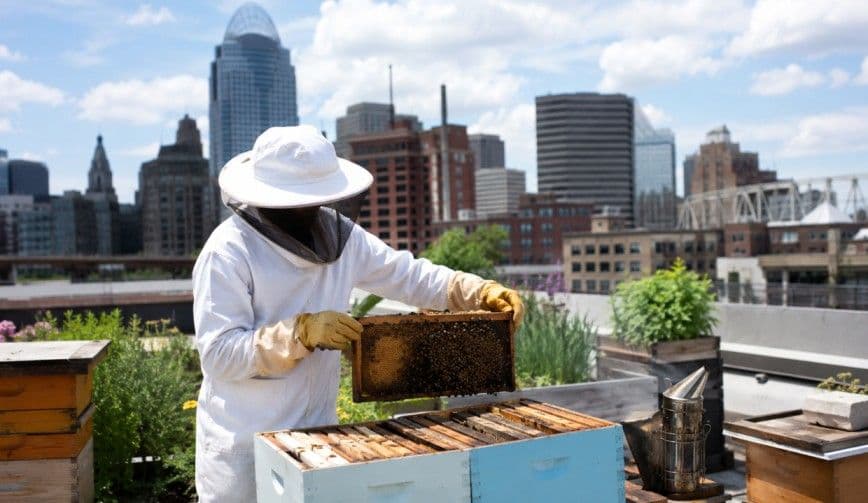
When I told my neighbour I was putting beehives on my roof in Cincinnati, she asked two questions. First, was I crazy? Second, could she get some honey? I said probably not to the first one, and yes to the second, once the bees actually made some.
That was the start of my first season running a small rooftop beekeeping and local honey business. A lot of blogs about this topic make it sound dreamy, with soft golden light and jars lined up like trophies on a shelf. Nobody really tells you what it costs, how much honey you actually get, or how many times you will stand on a roof in a bee suit wondering what you have done with your life. So here is the honest, simple version, numbers included.
Why a Rooftop, and Why Cincinnati
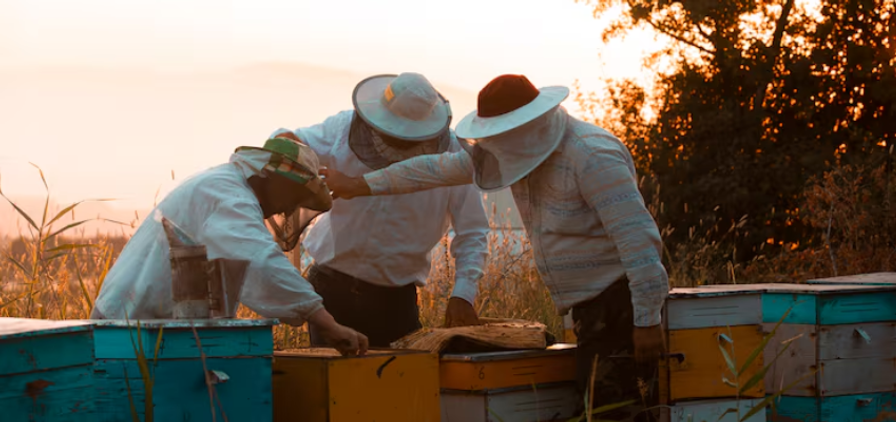
Cincinnati turned out to be a pretty good place for urban beekeeping. The city has enough parks, gardens, and flowering trees to keep bees fed for most of the year. Rooftops work well too, because they keep hives away from dogs, raccoons, and neighbours who are not thrilled about bees flying near their patio chairs.
A rooftop also gets more sun and wind than a backyard, and that matters more than you would think. Bees like warmth, but strong wind can knock them around when they are flying home carrying nectar. I built a small windbreak out of lattice panels for about 60 dollars, and it saved me a lot of trouble.
If you are thinking about beekeeping in Cincinnati, roofs, balconies, and community garden plots are all worth checking. Just make sure your building allows it before you start hauling wooden boxes up the stairs.
The Real Startup Costs
This is where most beginner guides get vague. They say beekeeping is "affordable" without giving you a single real number. So let us fix that with actual math.
Here is what I spent to set up one hive, in plain dollars:
| Item | What it is | Cost |
|---|---|---|
| Hive boxes and frames | The wooden structure where bees live and build honeycomb | 220 dollars |
| A package of bees | A queen and a few thousand worker bees to start the colony | 150 dollars |
| Suit, gloves, and smoker | Protective gear, plus a device that puffs cool smoke to calm the bees | 130 dollars |
| Hive tool, bee brush, extras | Small tools for opening and checking the hive | 40 dollars |
That adds up to about 540 dollars for one hive, before you have collected a single drop of honey. I started with two hives, so double most of that, plus a bit extra because I kept losing my first smoker somewhere on the roof.
If you plan to actually sell honey, you also need jars, labels, a honey extractor (a machine that spins the honeycomb frames to pull honey out without wrecking the comb), and sometimes local permits or food safety registration. Once I added all that, my total first year beekeeping equipment cost came to around 1,800 dollars.
How Much Honey Did I Actually Get
This is the part everyone really wants to know. In your first season, do not expect much. A brand new bee colony spends most of its energy building comb and growing its own population, not making extra honey for you.
From my two hives, I harvested about 18 pounds of honey in total during the first season. That is not a typo. Older, established hives in their second or third year can easily make 40 to 60 pounds each, but a first-year colony is still finding its feet, or its wings, depending on how you want to say it.
At local farmers markets around Cincinnati, raw honey usually sells for about 10 to 12 dollars per 12-ounce jar. Doing the simple math, 18 pounds gave me around 24 jars, which brought in roughly 260 dollars in sales.
So yes, my first season local honey business technically lost money once you count the startup costs. Almost everyone's does. The real payoff usually comes in years two and three, once the hives are already built up and you are not buying equipment from scratch anymore.
Bee Words Explained in Plain English
A few terms confused me at first. Here they are explained simply, the way I wish someone had explained them to me:
- ●Nuc: short for nucleus colony. A small starter hive with a queen, some worker bees, and a few frames of comb already built. It is like adopting a mini colony that is already partway grown, instead of starting from zero.
- ●Super: an extra box added on top of the main hive where bees store extra honey. This is the box you actually harvest from.
- ●Queen excluder: a metal or plastic grid that lets worker bees pass through but keeps the queen out of the honey super, so she cannot lay eggs where you plan to collect honey.
- ●Brood: baby bees, still growing inside the honeycomb cells.
- ●Flow hive: a newer type of beehive design that lets you drain honey through a small tap without fully opening the hive. It sounds fancy, but traditional hives are still more common and usually cost less.
Lessons From the Rooftop
A few things I learned the hard way. Bees do not care about your schedule. Hive inspections take longer than you think, especially the first few times, when you are staring at frames trying to figure out which white dot is an egg and which one is just wax.
Weather matters more on a rooftop than in a backyard, since there is less shelter from wind and sun. I also learned that neighbours are actually more relaxed about rooftop bees than backyard bees, mostly because they never see them up close.
And honestly, the funny moments write themselves. Nothing humbles you quite like sprinting across a roof in full bee gear because you forgot to light the smoker properly, or realizing halfway through an inspection that you left your gloves by the door.
A Simple Month-by-Month Look
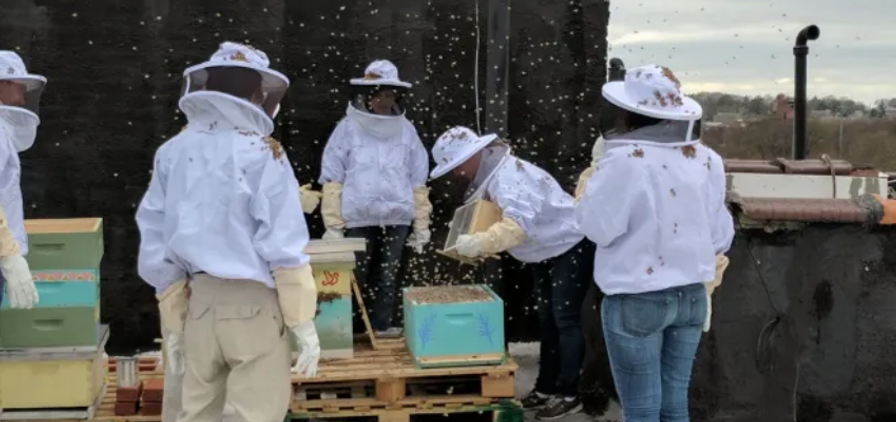
If you like seeing things laid out clearly, here is roughly how my first season went, month by month:
- ●Spring: Bees arrive, hive is set up, colony starts building comb and growing in number.
- ●Early summer: Colony gets bigger, bees start collecting more nectar and pollen from local flowers.
- ●Mid summer: First signs of extra honey building up in the super, the box used for harvesting.
- ●Late summer: Small harvest, jars get filled, first sales happen at local markets.
- ●Fall: Hive is checked and prepared for cooler weather, extra honey is left behind for the bees to eat over winter.
Seeing it laid out like this helped me understand why the first season feels slow. Almost half the year goes into just building up the colony before any honey shows up for you to collect. This is also useful for anyone comparing seasonal honey production timelines before deciding when to start their own hive.
Is It Worth It
For me, yes, but only with realistic expectations. If you are getting into urban beekeeping hoping to make a profit in year one, you will probably be disappointed. If you like the idea of rooftop beekeeping, want fresher honey than the supermarket kind, and do not mind some trial and error, it can turn into a genuinely rewarding hobby and slowly grow into a small local honey business.
The numbers get better every single year. The colony matures, the equipment is already paid for, and you get faster and more confident with each hive check. Season one is really just tuition. Slightly expensive, slightly chaotic tuition, paid partly in dollars and partly in the occasional bee sting.
If you are a student or just curious about how bees make honey, think of it like this. In year one, the bees are busy building their house and growing their family. Only after that house is built do they have extra honey left to share with you. That is why patience matters so much in this hobby.
Final Thoughts
Starting a rooftop honey business is not about getting rich in your first season. It is about learning how bees actually work, understanding real costs instead of guessed ones, and building something small that grows stronger every year. Your first hive will teach you patience, your first harvest will teach you humility, and by year two or three, the numbers finally start working in your favour. If you go in with realistic expectations and a willingness to learn from small mistakes, rooftop beekeeping can turn from a curious hobby into a steady, rewarding local honey business.
Ready to Get Started?
Rooftop and small-scale honey businesses are growing steadily these days, and it is because they combine simple beekeeping practices, smart hive management, honest pricing, and strong local relationships. The beekeepers who plan ahead are the ones building healthy colonies, steady honey harvests, and a loyal customer base.
BossWorks helps you plan, manage, and grow your local honey business with practical strategies for hive setup, seasonal honey production, pricing your jars, packaging and branding, farmers market sales, and long-term business expansion.
Instead of guessing your startup costs, struggling with low first season yields, or figuring out pricing on your own, you can build smarter systems that improve your honey output, attract repeat customers, and help your small beekeeping business grow with confidence.
Frequently Asked Questions
Around 500 to 600 dollars per hive for basic gear, or closer to 1,800 dollars if you plan to sell honey too.
A first-year hive usually makes only 10 to 20 pounds of honey, since most of its energy goes into growing the colony.
It depends on your neighbourhood and building rules, so always check local zoning and homeowner association guidelines first.
Not really, since bees fly upward quickly and mostly stay well above street level.
Most beekeepers see real profit in year two or three, once equipment is paid off, and hives are fully grown.