Why Flexible Living Spaces Are Driving Madison’s Architecture Trends
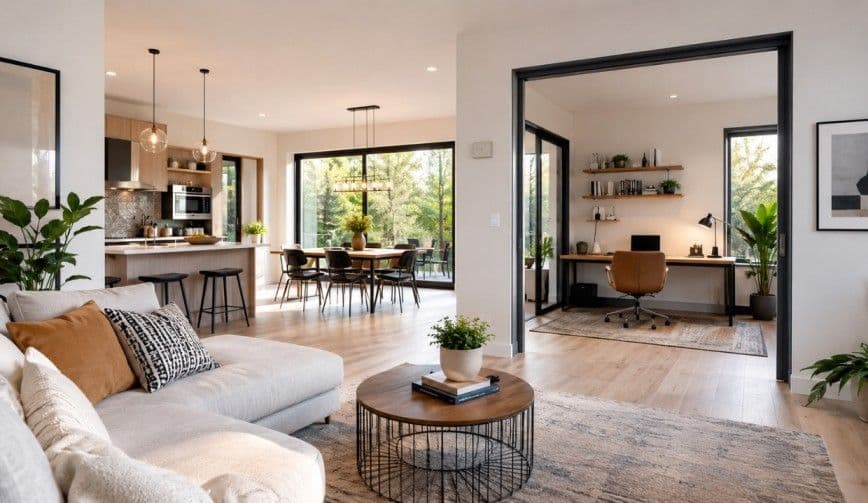
Flexible Living Spaces Driving Growth in the Architecture Business in Madison
In the evolving housing and design landscape of Madison, one clear shift is shaping how homes are planned and built. People no longer want fixed rooms that serve only one purpose. Instead, they want spaces that can adjust based on daily needs.
This is strongly influencing the Architecture Business in Madison. Architects are no longer just drawing structures. They are designing adaptable lifestyles inside those structures. A living room is not just a sitting area anymore. It can become a workspace, a play zone, or even a quiet reading corner depending on the time of day.
At the centre of this transformation is flexible living space design. It is practical, cost-efficient, and perfectly aligned with modern urban living.
What flexible living spaces actually mean
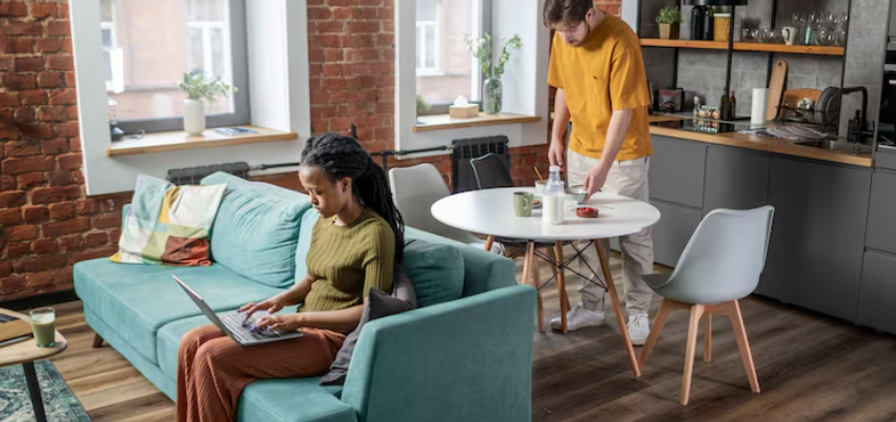
Flexible living spaces are areas in a home that can serve multiple purposes without major construction changes. In simple words, one space does many jobs.
For example:
- ●The living room is used as a work area during the day
- ●The bedroom turned into a study corner
- ●Dining space used for meetings or family work sessions
- ●Balcony used for relaxation and light work
The idea is not to build more rooms but to make existing rooms more useful.
Why Madison is moving toward flexible homes
The Architecture Business in Madison is responding to real lifestyle changes rather than design trends.
Main reasons include:
- ●Remote and hybrid work is becoming normal
- ●Rising housing and construction costs
- ●Smaller homes are becoming more practical
- ●Sustainability is becoming a major focus
- ●Families needing multi-purpose spaces
People are now choosing smart usage over extra space.
Key drivers behind flexible living trends
Factors influencing flexible living spaces in Madison
| Driver | Simple meaning | Impact on Architecture Business in Madison |
|---|---|---|
| Remote work lifestyle | People work from home regularly | Need for home office integration |
| High housing cost | Bigger homes are expensive | Focus on compact smart layouts |
| Limited urban space | Less land availability | Efficient space usage becomes critical |
| Sustainability focus | Reduce waste and energy use | Fewer unused rooms and smarter design |
| Lifestyle flexibility | Work, fitness, leisure at home | Homes must support multiple functions |
These are long-term changes that are reshaping residential architecture.
How flexible design is changing the Architecture Business in Madison
The Architecture Business in Madison is shifting from static planning to dynamic lifestyle design.
Architects now focus on:
- ●Multi-use room layouts
- ●Modular interior planning
- ●Movable walls and partitions
- ●Smart storage solutions
- ●Furniture with dual or triple functions
A simple example is a sliding partition that turns one large room into two separate functional areas within seconds.
Types of flexible living spaces in modern homes
Common flexible living space types
| Space type | Description | Example use |
|---|---|---|
| Living room workspace | Shared living and work zone | Sofa with foldable desk setup |
| Guest room hybrid | Dual-use guest and office room | Office on weekdays, guest room on weekends |
| Kitchen dining combo | Cooking and eating in same space | Island counter used for both |
| Bedroom study corner | Sleeping space with work area | Small desk near bed or window |
| Multi-use family room | Flexible activity space | Yoga, games, entertainment, meetings |
These designs make homes more practical without increasing size.
Why homeowners prefer flexible spaces
People are choosing flexible homes because they match real life better.
Main reasons include:
- ●Lower cost compared to bigger homes
- ●Better space utilization
- ●Support for a remote work lifestyle
- ●Less unused or wasted space
- ●Easy adaptation to life changes
A flexible home feels more comfortable because it adapts instead of restricting.
Role of architects in this transformation
The Architecture Business in Madison is becoming more lifestyle-focused. Architects now need to understand how people live, not just how buildings look.
Their role now includes:
- ●Studying the daily routines of clients
- ●Designing multi-functional layouts
- ●Recommending smart furniture systems
- ●Planning efficient storage solutions
- ●Balancing aesthetics with usability
Architects are now part designer and part lifestyle planner.
Benefits and challenges of flexible living spaces
Benefits:
- ●Better use of available space
- ●Higher functionality in smaller homes
- ●Reduced need for larger properties
- ●Improved long-term usability
- ●Higher resale value potential
Challenges:
- ●Requires careful planning
- ●Can increase the initial setup cost
- ●Needs smart furniture investment
- ●Not suitable for all lifestyles
- ●Overdesign can reduce comfort
Balance is key to successful flexible design.
Earnings in the Architecture Business in Madison
Income in the Architecture Business in Madison depends on experience, project type, and specialization. Flexible living projects often earn more because they require deeper planning and customization.
Estimated earnings in the Architecture Business in Madison
| Level | Work type | Monthly earnings (USD) |
|---|---|---|
| Junior architect | Small residential projects | 3,000 to 5,000 |
| Mid-level architect | Residential and small commercial | 5,000 to 10,000 |
| Senior architect | Large residential projects | 10,000 to 20,000 |
| Architecture firm owner | Multiple projects and clients | 20,000 to 80,000+ |
Why flexible design increases earnings
Flexible living projects usually generate higher income because:
- ●They require customized planning
- ●Clients pay more for smart space solutions
- ●Modern homes demand adaptive design
- ●Value perception is higher compared to standard layouts
Architects specializing in flexible design often earn 15 per cent to 30 per cent more than those focusing only on traditional layouts.
Future of Architecture Business in Madison
The Architecture Business in Madison is moving toward adaptive, smart, and efficient living environments.
Future trends include:
- ●Modular homes with flexible layouts
- ●Smart homes that adjust space automatically
- ●Built-in multi-purpose furniture systems
- ●Compact luxury housing designs
- ●Sustainable and eco-friendly materials
Homes will increasingly respond to people rather than forcing people to adjust.
Why flexible living is becoming permanent

Flexible living is no longer a trend. It is becoming a standard expectation.
Homeowners now want:
- ●Homes that adapt to changing work styles
- ●Efficient use of every square foot
- ●Long-term practical value
- ●Multi-purpose functionality
- ●Comfort across different life stages
This is why the Architecture Business in Madison is steadily shifting toward flexibility as a core design principle.
Final Thoughts
Flexible living spaces are reshaping how homes are designed and how the Architecture Business in Madison operates. Homes are becoming more adaptive, efficient, and aligned with real human needs.
Instead of fixed rooms, the future belongs to flexible environments that adjust to daily life. Architects are no longer just building structures. They are designing how people live inside them.
Ready to Get Started?
Architecture businesses are growing faster when they focus on flexible living spaces, smart home planning, and modern design trends that match real lifestyle needs.
Success comes from combining creativity with practical space planning, strong client relationships, and future-ready design thinking.
Instead of struggling with changing trends and competition, build smarter systems that improve project delivery, increase profitability, and help your architecture practice stand out in a crowded market.
Frequently Asked Questions
They are rooms designed to serve more than one purpose instead of having a single fixed use.
Because modern homeowners want adaptable, efficient, and practical living spaces.
It can cost slightly more initially but offers better long-term value and usability.
They can earn from about 3,000 USD per month for juniors up to 80,000+ USD per month for firm owners.
The biggest benefit is maximum use of space without needing a larger house.