Vending Laundry Pickup Route Startup Costs in Erie
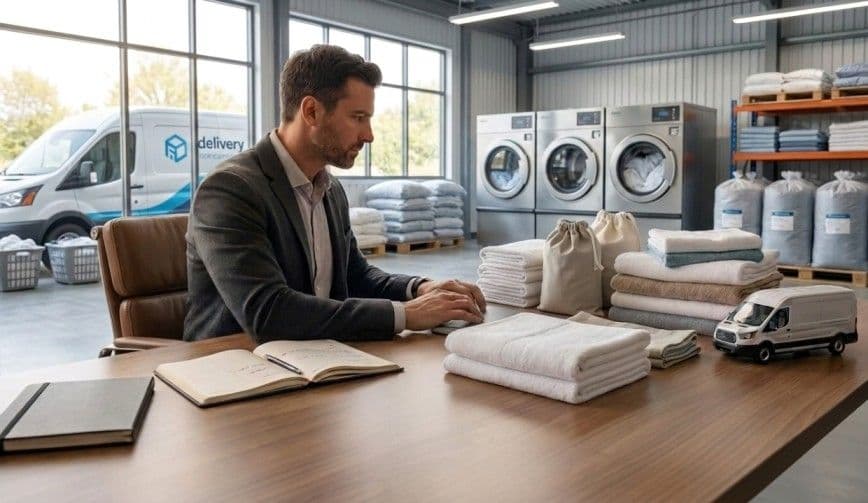
Every first-time owner in Erie who starts researching laundry businesses hits the same wall fast. A storefront laundromat looks proven but the lease, the plumbing retrofit, and the row of coin machines push the budget past what most people can raise on their own. So the real question becomes whether a pickup and delivery laundry route, run with a few commercial washers in a rented back room, can actually pencil out cheaper while still building toward something bigger.
The honest answer is yes, with real tradeoffs. A route model trades a public storefront for a smaller, leaner setup and a delivery schedule, and that trade changes almost every number in the business plan. Walking through the startup costs, permits, and pricing line by line shows exactly where the savings come from and where new owners still need to be careful.
Why Pickup Laundry Beats a Storefront for a First Timer
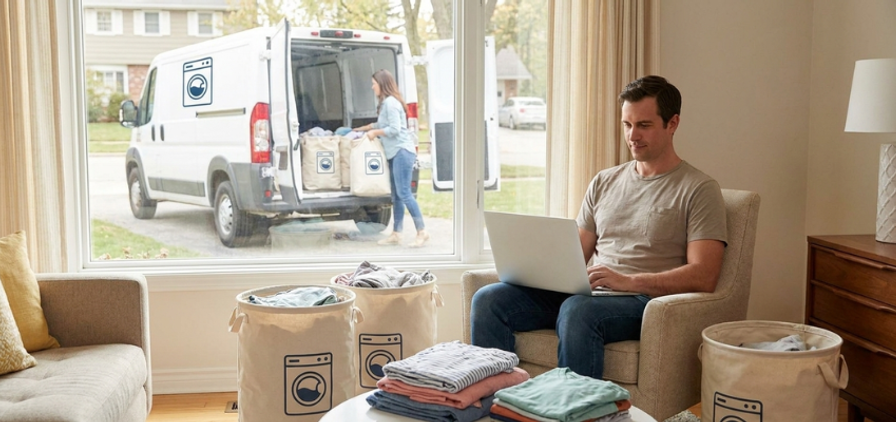
A traditional laundromat in Erie typically needs 1,500 to 2,500 square feet of retail space, a lease with plumbing and electrical upgrades already in place, and 20 or more coin-operated machines before the doors open. A pickup and delivery route needs a fraction of that footprint because the space is a workroom, not a public storefront, and the machine count can stay small while volume grows through routes instead of walk-in traffic. That difference alone reshapes the first-year budget in a way that a spreadsheet quickly makes obvious.
| Cost Category | Storefront Laundromat | Pickup and Delivery Route |
|---|---|---|
| Space needed | 1,500 to 2,500 sq ft retail | 300 to 600 sq ft back room |
| Machines at launch | 20+ washers and dryers | 4 to 8 commercial washers and dryers |
| Lease type | Retail lease with buildout | Light industrial or shared space |
| Public foot traffic required | Yes | No |
| Primary customer | Walk-in residential | Busy professionals, small offices |
The customer base for a route also looks different from laundromat foot traffic. Busy professionals who work long hours, dual-income households with no time for weekly laundry chores, and small offices that need uniforms or linens cleaned on a schedule make up the bulk of route demand. These customers pay for convenience rather than machine access, which is why a route business can charge a premium per pound even with a much smaller physical footprint than a storefront ever needs.
Startup Costs Broken Down Line by Line
The equipment line is where most of the route budget lives, since commercial-grade washers and dryers are built for daily heavy use rather than occasional household loads. A realistic starting fleet of four to eight machines, a delivery vehicle either purchased used or leased, and enough bagging and tagging supplies to run several routes at once make up the core startup list. Software for scheduling pickups, optimizing delivery routes, and taking payments online adds a smaller but recurring monthly cost that keeps the operation running smoothly as order volume grows.
| Startup Item | Typical Range |
|---|---|
| Commercial washers and dryers (4 to 8 units) | $12,000 to $35,000 |
| Delivery vehicle (used cargo van or hatchback) | $5,000 to $18,000 |
| Bagging, tagging, and delivery supplies | $500 to $1,500 |
| Route and scheduling software (monthly) | $50 to $250 |
| Business insurance and bonding | $800 to $2,500 annually |
These figures reflect typical small-business equipment and vehicle pricing that owners in similar service routes report when budgeting their first year, according to our review of comparable service-route startup budgets. The wide ranges exist because a used van and refurbished machines can cut the total dramatically compared to buying everything new, and many first-time owners in Erie start with the lower end of each range and reinvest earnings into upgrades once the route proves it can hold steady weekly volume.
Permits and Zoning Specific to Erie and Pennsylvania
Operating from a residential garage or a converted room at home is common for a first route, but it triggers a home occupation permit requirement in most Erie residential zones. The city reviews these applications to confirm the business will not create excessive noise, traffic, or water use that disrupts a residential block, and commercial washers running multiple loads a day can raise exactly those questions during review. Getting the permit before signing any equipment purchase agreements saves owners from a costly retrofit if the zoning office later asks for changes to how the machines are vented or drained.
| Requirement | Where It Applies | What It Covers |
|---|---|---|
| Home occupation permit | Residential garage or converted room | Noise, traffic, water use limits |
| Commercial water and sewer registration | Any location running commercial machines | Wastewater discharge and billing rate |
| Pennsylvania sales tax license | Statewide, if selling taxable goods or services | Registration through the PA Department of Revenue |
| Local business license | City of Erie | General operating authorization |
Wastewater is the piece new owners underestimate most often. Commercial washers discharge far more water per cycle than a household machine, and Erie's water and sewer authority typically requires a separate commercial account once usage crosses residential thresholds, which changes both the plumbing setup and the monthly utility bill. Checking with the local utility authority before finalizing a location, rather than after machines are installed, avoids a surprise reclassification that can add unexpected monthly costs to a business that is still building its customer base.
Pricing a Route to Actually Turn a Profit
Most laundry routes price using either a per-pound model or a flat per-load model, and the choice affects both customer perception and actual margin. Per-pound pricing rewards efficiency because heavier loads generate more revenue per pickup, while per-load pricing is simpler for customers to understand but can undercharge for unusually heavy bags of towels or bedding. Many first-year owners in Erie start with per-pound pricing specifically because it protects margin on the bulky loads that small offices and larger households tend to send.
| Pricing Model | How It Works | Best For |
|---|---|---|
| Per pound | Charge by weighed load, typically $1.50 to $2.50 per pound | Mixed household and office loads |
| Per load | Flat fee per standard load, typically $25 to $40 | Simple, predictable billing |
Delivery radius is the other lever that determines whether a route actually turns a profit. A tight three- to five-mile radius keeps fuel costs and driver time low, which means more stops per hour and better margin per delivery. Stretching the radius to chase more customers sounds like growth, but it often adds drive time that eats into the exact margin the route needs to cover machine costs, software fees, and driver wages, so most successful first-year routes in Erie stay deliberately compact until density justifies expanding outward.
Growing From One Route to a Small Fleet
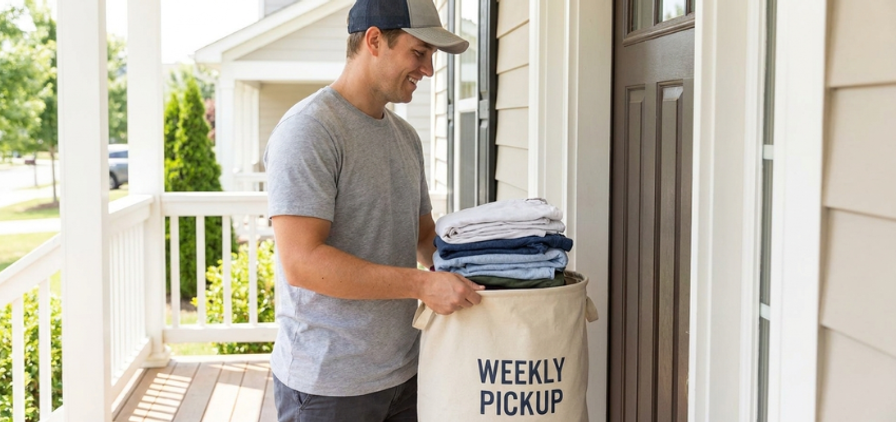
Once a single route consistently fills its weekly schedule, the next growth step is usually hiring a second driver rather than buying more machines. A second driver lets the business run two overlapping routes on the same equipment base, which spreads the fixed cost of washers and dryers across more weekly volume without doubling the biggest expense line. This is often the most efficient growth move because it increases revenue capacity while the equipment investment stays largely the same.
Adding a subscription plan is the other common next step, giving regular customers a discounted weekly or biweekly rate in exchange for predictable, recurring revenue. Subscriptions smooth out the week-to-week unpredictability that pure one-off pickups create, and they make forecasting driver hours and machine time far more reliable. Owners who combine a second driver with an early subscription tier typically find that the business starts to feel less like a side hustle and more like a small logistics operation with its own steady rhythm.
Final Thoughts
A pickup and delivery laundry route will never look as polished as a full storefront on day one, but for a first-time owner in Erie weighing real startup capital against real risk, it offers a lower-cost path into an industry with steady, recurring demand. The permits, the wastewater rules, and the pricing model all take some homework, but none of them is harder than what a storefront lease would require anyway. Getting the numbers right before the first machine is delivered is what separates a route that grows into a small fleet from one that stalls out in its first year.
Ready to Get Started?
Starting a pickup and delivery laundry business is often more affordable than opening a traditional laundromat, but success still depends on careful planning. From choosing the right equipment and setting competitive pricing to building efficient pickup routes and delivering consistent service, every decision plays a role in long-term growth.
BossWorks helps entrepreneurs plan, launch, and grow their laundry businesses with practical guidance on startup costs, operations, customer management, wash-and-fold services, pickup and delivery workflows, pricing strategies, marketing, and scaling the business.
Instead of relying on trial and error, build a business with systems that improve efficiency, encourage repeat customers, increase profitability, and create a reliable service that customers trust.
Frequently Asked Questions
Yes, because it needs a much smaller space, fewer machines at launch, and no retail lease buildout.
Yes, most residential zones require a home occupation permit before commercial machines can run legally.
Per pound protects your margin better on heavy loads, while per load is simpler for customers to understand.
Keep it to three to five miles at first so fuel and drive time do not erode your per-stop margin.
Hire a second driver once your first route consistently fills its weekly schedule, since it adds revenue without doubling equipment costs.