Why Do Portland Vintage Shops Feel More Valuable Than Malls
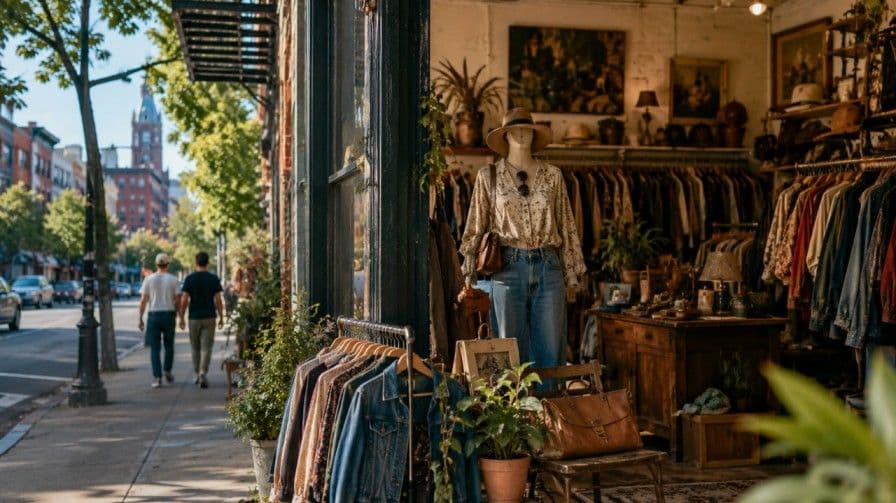
Shopping has slowly shifted from being just a daily need to something that reflects personality, lifestyle, and even values. In most cities, malls still dominate the shopping experience. They are structured, predictable, and filled with familiar brands. Everything is designed for speed and convenience.
In contrast, a Vintage Resale Business in Portland feels completely different. It is not about rushing from one store to another. It is about slowing down, exploring, and sometimes discovering something unexpected that feels personally meaningful.
In Portland, this difference is even bigger. Vintage shops are not just retail spaces. They are cultural spaces where sustainability, creativity, and individuality come together. That is why many people feel vintage shops carry more emotional and personal value than malls.
What “value” really means in shopping today
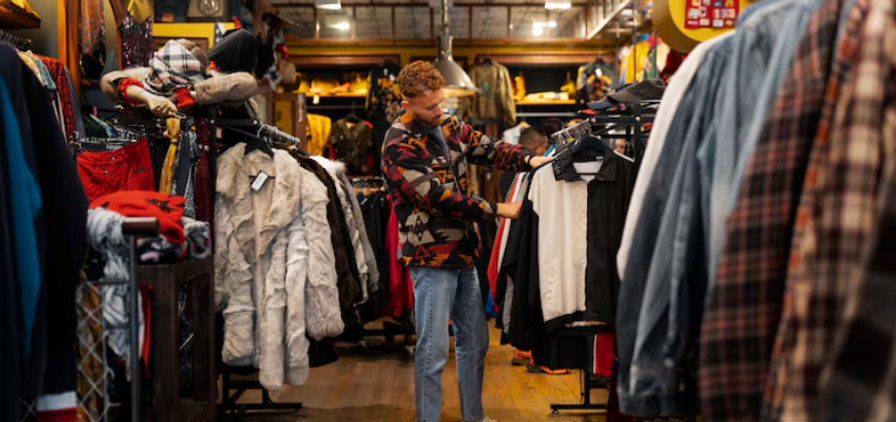
Value is often misunderstood as price alone. But in reality, people judge value through a mix of emotional and practical factors.
Value includes
- ●Emotional satisfaction while buying
- ●Uniqueness of the product
- ●Quality and durability
- ●Story or background behind the item
- ●Overall shopping experience
- ●Personal identity expression
When these elements come together, even a simple item can feel special and meaningful.
Simple comparison of value perception
| Type of value | Vintage Resale Business in Portland | Mall Shopping |
|---|---|---|
| Emotional value | High due to rarity and history | Low due to mass production |
| Identity value | Strong personal expression | Brand-driven identity |
| Experience value | Exploratory and engaging | Fast and transactional |
| Story value | Every item feels meaningful | Very limited |
| Long-term satisfaction | High | Medium |
Why vintage shops feel more valuable emotionally
Every item feels like it has lived a life
One of the strongest emotional reasons behind vintage appeal is imagination. In a vintage store, a jacket, lamp, or chair does not feel like a fresh factory product. It feels like it has existed in another time.
Even without knowing its real history, people naturally imagine
- ●Who owned it before
- ●Where it was used
- ●What kind of life did it experience
- ●What memories are attached to it
This imagined story creates emotional depth instantly.
Malls cannot offer this because everything is newly produced and identical in origin.
The thrill of discovery and unpredictability
Vintage shopping is never fully predictable. That is what makes it exciting.
One visit might feel ordinary. Another visit might uncover something rare, like
- ●A retro denim jacket
- ●A limited edition accessory
- ●A handcrafted furniture piece
- ●A fashion item from a past decade
This uncertainty creates a treasure hunt feeling.
Malls remove this experience completely because everything is organized, restocked, and predictable.
Why Portland became a strong hub for vintage resale
The Vintage Resale Business in Portland grew because the city itself supports its values.
Key reasons include
- ●Strong environmental awareness among residents
- ●Support for small and independent businesses
- ●Creative and artistic community culture
- ●Interest in sustainable living practices
- ●Resistance to fast fashion consumption patterns
Because of these factors, vintage shopping is not just a niche trend in Portland. It is part of the everyday lifestyle for many people.
The psychology behind why vintage feels more valuable
Human psychology strongly influences how we assign value.
Scarcity effect
When something is rare, the brain automatically assigns higher importance to it. A single unique item feels more valuable than many identical ones.
Story effect
Humans connect more with stories than objects. Even a simple item becomes meaningful when it feels like it has a past.
Effort effect
Vintage shopping requires time, patience, and exploration. That effort increases emotional satisfaction when a good item is finally found.
Why malls feel less meaningful even though they are efficient
Malls are designed for convenience. But convenience often reduces emotional depth.
Common mall limitations
- ●Repetitive store layouts and product designs
- ●Frequent discounts reduce excitement
- ●Too many options cause confusion
- ●Lack of storytelling behind products
- ●Focus on transactions instead of experience
Emotional experience comparison
| Experience factor | Vintage shops | Malls |
|---|---|---|
| Excitement | High | Medium |
| Memory creation | Strong | Weak |
| Emotional connection | Strong | Low |
| Shopping speed | Slow | Fast |
| Surprise factor | Very high | Very low |
Sustainability adds hidden value to vintage shopping
Another major reason for the rise of the Vintage Resale Business in Portland is sustainability.
Fast fashion leads to
- ●High production waste
- ●Short product life cycles
- ●Frequent disposal of clothing
- ●Environmental pressure
Vintage resale helps reduce this by
- ●Reusing existing items
- ●Extending product life
- ●Reducing textile waste
- ●Lowering demand for new manufacturing
This adds moral satisfaction to the purchase, increasing perceived value.
Why younger generations prefer vintage shopping
Gen Z and millennials strongly support vintage culture.
Main reasons include
- ●Desire for a unique personal identity
- ●Influence of social media aesthetics
- ●Interest in sustainability and eco living
- ●Avoidance of mass-produced fashion
- ●Love for retro and nostalgic styles
How a Vintage Resale Business in Portland Actually Works
Most vintage businesses follow a structured process, even if they look casual.
Vintage resale business model
| Stage | Description |
|---|---|
| Sourcing | Collecting items from estate sales, donations, and thrift markets |
| Selection | Choosing high-quality and rare pieces |
| Restoration | Cleaning and repairing items |
| Pricing | Based on rarity, condition, and demand |
| Selling | Through physical stores or online platforms |
Unlike malls that depend on mass production, vintage businesses depend on curation and taste.
Why vintage shops feel like a personal journey
Vintage shopping feels less like buying and more like exploring.
People often say
- ●“I didn’t expect to find this”
- ●“This feels like it belongs to me”
- ●“This is completely unique”
This emotional response creates a stronger attachment than regular shopping.
Mall vs vintage shopping mindset shift
The way people think while shopping changes completely depending on the environment. In malls, the mindset is usually practical and time-bound, where the focus is on buying specific items quickly. In vintage shops, the mindset becomes more exploratory and relaxed, where people focus on discovering unique items rather than completing a list. This difference in thinking plays a big role in why the Vintage Resale Business in Portland feels more engaging and valuable compared to malls.
How does thinking change between the two experiences?
| Mindset | Vintage shops | Malls |
|---|---|---|
| Goal | Discover something unique | Buy something specific |
| Decision style | Emotional and intuitive | Logical and planned |
| Satisfaction source | Finding rare items | Completing purchase |
| Time spent | Flexible and slow | Fast and structured |
| Experience type | Exploratory | Functional |
Before and after a change in shopping mindset
The most interesting transformation in the Vintage Resale Business in Portland is how it changes the way people think about shopping over time.
Before the vintage shopping experience
Before people experience vintage shops, shopping usually feels routine and goal-oriented. Most people already know what they are looking for before entering a mall. The experience is often about completing a task quickly rather than enjoying the process.
People usually feel
- ●Overwhelmed by too many similar choices
- ●Focused on discounts and brands
- ●Emotionally neutral while shopping
- ●Pressured to make quick decisions
- ●Satisfied only for a short time after purchase
| Situation | Typical mindset |
|---|---|
| Entering malls | Expect predictable options |
| Product choice | Repetitive and overwhelming |
| Emotional state | Neutral or slightly bored |
| Purchase mindset | Buy quickly and move on |
| Value perception | Based on brand or discount |
After a vintage shopping experience
After experiencing vintage shopping, the mindset changes noticeably. Shopping becomes more about exploration than necessity. People start appreciating the uniqueness and story behind items.
People often feel
- ●Excited to explore unknown items
- ●Emotionally connected to purchases
- ●Patient during the selection process
- ●Happy even with fewer purchases
- ●Satisfied for a longer time
| Situation | Changed mindset |
|---|---|
| Entering vintage shops | Curious and excited |
| Product choice | Unique and meaningful |
| Emotional state | Engaged and connected |
| Purchase mindset | “I found something special” |
| Value perception | Based on story and rarity |
What changes after visiting Vintage Resale Business in Portland
Over time, people start to
- ●Prefer unique items over branded mass products
- ●Spend more time choosing what they buy
- ●Avoid impulse purchases
- ●Value sustainability more seriously
- ●Appreciate older craftsmanship and design
This shift is what makes vintage culture powerful beyond fashion.
Why malls still remain important
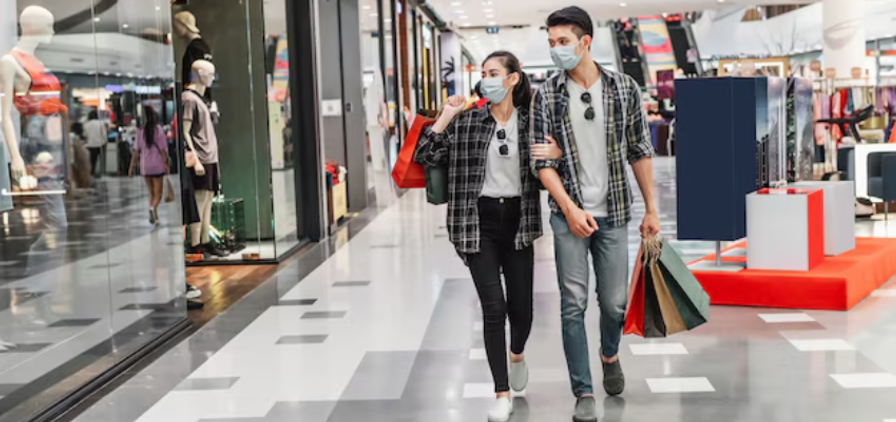
Even with all the emotional appeal of vintage shops, malls still play a strong role.
They provide
- ●Convenience and speed
- ●Wide brand availability
- ●Entertainment spaces
- ●Reliable and consistent products
- ●One-stop shopping experience
Malls serve efficiency. Vintage shops serve emotion. Both exist for different needs.
Future of Vintage Resale Business in Portland
The future of this industry looks strong due to multiple supporting trends.
- ●Growing awareness of sustainable fashion
- ●Expansion of resale marketplaces
- ●Rise of slow fashion culture
- ●Increased interest in a unique personal style
- ●Strong local business support
The Vintage Resale Business in Portland is likely to continue growing as both a cultural and economic movement.
Key takeaways
- ●Vintage shops feel more valuable due to emotion, rarity, and storytelling
- ●Malls focus on convenience, speed, and mass production
- ●Portland supports vintage culture through sustainability and creativity
- ●Shopping mindset changes significantly before and after the vintage experience
- ●Psychological factors like scarcity and effort increase perceived value
Final thoughts
Shopping is not only about what we buy. It is also about how we feel while buying it.
Malls offer speed and structure. Vintage shops offer discovery and emotion.
In a world that is becoming increasingly fast and predictable, discovery naturally feels more valuable. That is why the Vintage Resale Business in Portland continues to stand out, not because it sells more, but because it creates more meaning.
Ready to Get Started
Starting a Vintage Resale Business in Portland can be a strong opportunity when you combine creativity with smart business planning. Success in this space is not just about finding vintage items, but about understanding customer taste, building a unique brand identity, and creating a memorable shopping experience.
BossWorks helps you turn niche business ideas into structured plans based on your budget, target audience, and growth goals. From setup strategy and branding to marketing and customer acquisition, everything is broken down into simple, actionable steps.
Instead of relying on guesswork or trends, build your vintage resale business with a clear system that reduces mistakes, saves time, and helps you grow faster in a competitive market.
Frequently Asked Questions
They feel more valuable because they offer rare items, emotional storytelling, and a more personal and exploratory shopping experience.
Vintage shopping is better for uniqueness and emotional satisfaction, while malls are better for convenience and speed.
Portland supports sustainability, creativity, and small businesses, which makes vintage culture grow strongly.
Many vintage clothes were made with durable materials, but durability depends on condition and maintenance.
Yes, it is growing due to sustainability trends, demand for unique fashion, and rising interest in second-hand markets.