Trucking Business Income in Dallas | What You Can Expect to Earn
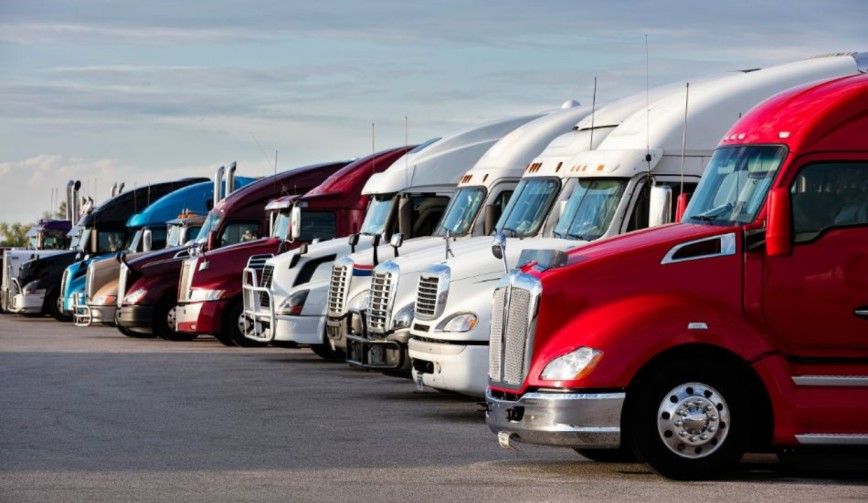
Dallas is one of the busiest freight transportation hubs in the United States. Every day, thousands of trucks move products between warehouses, retailers, manufacturers, and consumers. This constant movement of goods creates significant opportunities for trucking entrepreneurs.
Many people considering entering the industry have one important question: how much money can a trucking business actually make in Dallas?
The answer depends on several factors, including fleet size, operating costs, freight type, and customer contracts. Some owner-operators earn a comfortable living, while larger trucking companies generate millions in annual revenue.
In this guide, we'll explore the earning potential of trucking businesses in Dallas, the costs involved, and how you can start your own trucking company.
Why Trucking Businesses in Dallas Have Strong Income Potential

Dallas plays a major role in the American logistics industry. Its location connects major highways, making it a key transportation centre for freight moving across Texas and the rest of the country.
Several factors contribute to the success of trucking businesses in Dallas:
- ●Growing e-commerce demand
- ●Expanding warehouse operations
- ●Strong manufacturing sector
- ●Continuous construction activity
- ●Strategic location for interstate freight
Because of these advantages, trucking services remain in high demand throughout the year.
Average Income of Trucking Businesses in Dallas
Income can vary significantly depending on the size of the operation.
Estimated Annual Revenue
| Business Type | Number of Trucks | Estimated Annual Revenue |
|---|---|---|
| Owner Operator | 1 | $150,000 - $300,000 |
| Small Fleet | 2-5 | $400,000 - $1.5 Million |
| Medium Fleet | 6-20 | $1.5 Million - $6 Million |
| Large Fleet | 20+ | $6 Million+ |
These numbers represent revenue before expenses.
Many new entrepreneurs see these figures and imagine instant wealth. Unfortunately, diesel fuel, insurance companies, and maintenance bills usually have other plans.
What Does a Trucking Business Actually Keep?
Revenue and profit are not the same thing.
A trucking company must cover several operating expenses before calculating actual earnings.
Common expenses include:
- ●Fuel
- ●Insurance
- ●Truck payments
- ●Maintenance and repairs
- ●Driver wages
- ●Permits and compliance fees
Example Profit Breakdown
| Category | Annual Amount |
|---|---|
| Revenue | $250,000 |
| Fuel | $60,000 |
| Insurance | $12,000 |
| Maintenance | $15,000 |
| Truck Payments | $30,000 |
| Other Expenses | $18,000 |
| Estimated Profit | $115,000 |
This example highlights why managing costs is just as important as generating revenue.
Owner-Operator Income in Dallas
Many trucking businesses begin with a single truck operated by the owner.
Owner-operators have the advantage of keeping more of the revenue, but they are also responsible for all expenses.
Typical Annual Earnings
| Experience Level | Estimated Income |
|---|---|
| Beginner | $50,000 - $80,000 |
| Experienced | $80,000 - $150,000 |
| Specialized Freight Operator | $120,000 - $200,000+ |
Owner-operator income often depends on freight rates, operating efficiency, and the ability to secure quality contracts.
Factors That Affect Trucking Business Earnings
Not every trucking business earns the same amount.
Several key factors influence profitability.
- ●Fuel Costs: Fuel is one of the largest expenses in the trucking industry. Higher diesel prices can significantly reduce profit margins.
- ●Number of Trucks: More trucks generally mean higher earning potential. However, additional vehicles also increase expenses and management responsibilities.
- ●Freight Rates: Freight rates change based on market demand. During busy periods, trucking companies can charge higher rates.
- ●Vehicle Downtime: A truck sitting in a repair shop generates no income. Regular maintenance helps keep vehicles on the road.
- ●Customer Contracts: Long-term contracts provide stable income and reduce the uncertainty that comes with relying solely on freight brokers.
What Type of Freight Pays the Most?
Certain trucking niches generate higher earnings than others.
Freight Income Comparison
| Freight Type | Earning Potential |
|---|---|
| General Freight | Moderate |
| Flatbed Freight | High |
| Refrigerated Freight | High |
| Oversized Loads | Very High |
| Hazardous Materials | Very High |
Specialized freight usually requires additional certifications or equipment but often results in higher profits.
How to Increase Trucking Business Income
Increasing revenue is important, but improving efficiency often has an even bigger impact on profits.
- ●Reduce Empty Miles: Every mile driven without cargo costs money. Finding return loads helps maximize earnings.
- ●Improve Fuel Efficiency: Proper tyre maintenance, route planning, and reduced idling can significantly lower fuel expenses.
- ●Build Direct Customer Relationships: Direct contracts often provide better rates and more predictable income than working exclusively through freight brokers.
- ●Use Fleet Management Technology: Technology helps track routes, fuel consumption, vehicle performance, and maintenance schedules.
- ●Expand Carefully: Adding trucks can increase revenue, but expansion should be planned carefully to avoid excessive debt and operating costs.
Is a Trucking Business in Dallas Worth It?
For many entrepreneurs, the answer is yes.
Dallas offers strong freight demand, excellent infrastructure, and access to a large customer base. Businesses that manage costs effectively and provide reliable service often enjoy steady growth and long-term profitability.
While trucking is not a passive business, it can provide excellent income opportunities for dedicated operators.
How to Start a Trucking Business in Dallas
After understanding the earning potential, many people want to know how to enter the industry.
Starting a trucking business requires planning, compliance, and sufficient capital.
Choose a Business Structure
Register your company as a sole proprietorship, LLC, or corporation. Many trucking entrepreneurs choose an LLC because it offers liability protection and flexibility.
Register Your Business
Complete your business registration and obtain an Employer Identification Number (EIN) for tax purposes.
Obtain Required Licenses and Permits
Depending on your operations, you may need:
- ●USDOT Number
- ●MC Number
- ●Unified Carrier Registration (UCR)
- ●International Registration Plan (IRP)
- ●International Fuel Tax Agreement (IFTA)
These permits help ensure legal operation across state lines.
Purchase or Lease a Truck
You can buy a truck outright, finance one, or lease equipment, depending on your budget and business goals.
Obtain Commercial Insurance
Commercial trucking insurance is required and protects your business from financial losses due to accidents and liability claims.
Find Freight and Customers
Many new trucking companies begin by using freight brokers and load boards. Over time, building direct customer relationships can significantly improve profitability.
Estimated Startup Costs
| Expense | Estimated Cost |
|---|---|
| Business Registration | $300 - $1,000 |
| Licenses and Permits | $1,000 - $5,000 |
| Commercial Truck | $40,000 - $180,000 |
| Insurance | $8,000 - $20,000 Per Year |
| Fuel and Maintenance Reserve | $5,000 - $15,000 |
| Total Investment | $55,000 - $220,000+ |
Final Thoughts
Trucking businesses in Dallas continue to benefit from strong freight demand and a thriving logistics industry. While earnings vary depending on fleet size, freight type, and operating efficiency, many operators generate substantial income by focusing on cost control and customer service.
Whether you're an owner-operator or planning to build a fleet, Dallas offers plenty of opportunities for growth. With the right planning, reliable equipment, and steady customers, a trucking business can become a profitable long-term venture.
Ready to Get Started?
Starting a trucking business is possible with the right planning and smart decisions. Many trucking businesses in Dallas are growing because they understand their costs, routes, and operations from day one.
That is where BossWorks comes in. We help you create a complete trucking business plan for your location, covering setup costs, permits, fleet planning, and business growth strategies.
Frequently Asked Questions
A single-truck operation can generate between $150,000 and $300,000 in annual revenue, while larger fleets can earn several million dollars.
Most trucking companies operate with profit margins ranging from 5% to 20%, depending on operating efficiency and expenses.
Yes. Dallas is one of the largest logistics and transportation hubs in the United States, creating strong demand for trucking services.
Hazardous materials, oversized loads, refrigerated freight, and energy-sector transportation generally offer the highest earning potential.
Startup costs typically range from $55,000 to $220,000 or more, depending on equipment, licensing, and insurance requirements.