Starting an NEMT Business in Phoenix in 2026: Costs, Licenses and Requirements
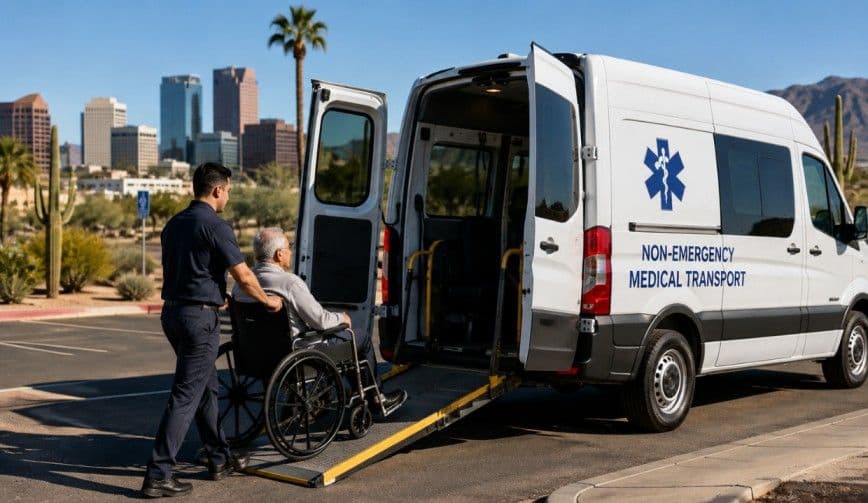
You want to launch a wheelchair van service in Phoenix, but what does it really cost to get started? Before buying a vehicle or signing a lease, it helps to understand the full picture, from startup expenses to monthly costs.
Non-emergency medical transportation, or NEMT, helps people get to dialysis, therapy, doctor visits, and other scheduled care. You can start lean, especially if you drive the van yourself, but planning for recurring costs is essential to avoid running out of cash early.
What's the Single Biggest Cost, and Can You Start Smaller?
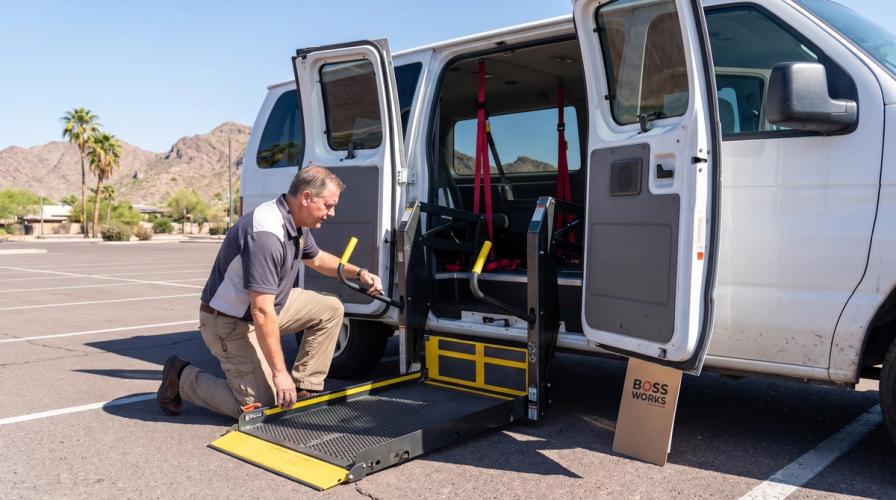
The vehicle is usually the biggest startup expense. A used wheelchair-accessible van costs less upfront but may bring higher repair risk, while a new or retrofitted van costs more but may offer better reliability.
Accessible equipment also adds to the price:
- ●Wheelchair lift or ramp
- ●Reinforced flooring
- ●Wheelchair securement systems
One properly equipped van can be enough to start, especially if you drive it yourself. An owner-operated model keeps overhead low while you test demand. Hiring a driver from day one adds wages and payroll costs, so it can make more sense to wait until your schedule becomes consistent.
Here is a rough planning range for the vehicle and equipment. Actual prices can vary based on the vehicle's age, condition, accessibility setup, and conversion work, so confirm current local listings and quotes before making a purchase.
| Vehicle and equipment | Estimated planning range |
|---|---|
| Used wheelchair-accessible van | $20,000–$45,000 |
| Retrofitting a standard van | $15,000–$30,000+ |
| New or newly converted accessible van | $50,000–$90,000+ |
| Securement equipment and supplies | $500–$2,000 |
For a deeper breakdown, check out everything you need to know about starting a Health and Wellness Business.
What Licenses, Permits, and Insurance Does Arizona Require?
NEMT businesses need basic business and vehicle registration, along with transportation-specific requirements. Arizona has additional rules, so always confirm current requirements with the relevant agencies before launching.
You may need to deal with:
- ●Business and vehicle registration
- ●ADOT requirements
- ●AHCCCS enrollment if serving Medicaid members
- ●Phoenix and Maricopa County requirements
- ●Driver licenses, background checks, and safety training
- ●Commercial auto and liability insurance
Drivers also need to know how to operate accessibility equipment and secure wheelchairs safely. Because you are transporting passengers, insurance costs can be higher than those for a standard personal vehicle.
The single most important habit here is verification. Requirements and fees change, and they vary by program, so use official sources such as ADOT, AHCCCS, and the City of Phoenix to confirm what applies to you before you build your budget.
| Requirement category | Where to confirm it |
|---|---|
| Business entity and vehicle registration | Arizona Corporation Commission, ADOT |
| NEMT operating requirements | ADOT |
| Medicaid transportation provider status | AHCCCS |
| Local business license and permits | City of Phoenix, Maricopa County |
| Driver background checks and securement training | State standards and your insurer |
| Commercial auto and liability insurance | Licensed commercial insurance broker |
What Are the Recurring Monthly Costs People Forget?
Startup costs get the attention, but monthly expenses determine whether the business survives. NEMT vehicles can rack up high mileage, making fuel, tyres, oil changes, brakes, repairs, and cleaning regular expenses.
Other recurring costs include:
- ●Insurance premiums
- ●Broker or dispatch fees
- ●Driver wages and payroll costs
- ●Business phone and scheduling software
- ●Bookkeeping and basic marketing
- ●Cleaning and maintenance supplies
One expense new owners often overlook is a repair reserve. If your only van breaks down, your revenue can stop immediately. Setting aside money each month for major repairs can help keep the business running.
Read More | Why Personalized Care Is Driving Home Healthcare Services in Jackson.
How Soon Can the Business Actually Pay You?
Early NEMT revenue often comes from recurring medical needs. Dialysis, physical therapy, routine appointments, clinics, senior communities, and rehab centers can provide repeat trips, while private-pay customers can fill gaps.
Building a reliable schedule takes time. The first few weeks may be uneven, but recurring routes and standing appointments can make income more predictable.
- ●Focus on recurring medical trips
- ●Build relationships with healthcare and senior care facilities
- ●Use private-pay trips to fill gaps
- ●Prioritize efficient routes over scattered one-off trips
- ●Build a schedule that covers fixed monthly costs before expanding
Want to start a Health and Wellness Business? Plan it with a proven and trending wellness business model.
Where Will Your Customers Come From?
NEMT businesses can build customers through several channels, and relying on more than one can create a steadier flow of trips. Private-pay customers are often simpler to start with, while healthcare and senior care organizations can provide recurring transportation once you build trust.
- ●Private-pay customers and families
- ●Healthcare facilities and senior care organizations
- ●Transportation brokers
- ●Medicaid-related transportation through AHCCCS, if eligible
- ●Referrals from discharge planners, case managers, and therapists
The goal is to build relationships that lead to recurring medical transportation rather than depending only on one-off trips.
The one rule that protects you is diversification. Relying on a single broker or a single facility feels efficient until that source changes its rates, its volume, or its provider list, and suddenly most of your income disappears overnight. Spreading across a few sources costs a little more effort and buys you a lot more stability.
| Customer source | What it offers | The catch |
|---|---|---|
| Private-pay individuals | Direct payment, less paperwork | Takes marketing to find |
| Healthcare facilities and senior care | Steady scheduled volume | Requires trust and time |
| Transportation brokers | Fast trip volume | They take a fee, control flow |
| Medicaid via AHCCCS | Large recurring rider pool | Enrollment and compliance |
| Referral relationships | Recurring, loyal riders | Built slowly, person by person |
How Do You Build a Budget You Can Trust?
A reliable budget starts by separating one-time startup costs from monthly expenses. Startup costs include the vehicle, accessibility equipment, permits, insurance, phone, software, and initial setup.
- ●List all one-time startup costs
- ●Calculate your monthly operating expenses
- ●Set aside a cushion for slow weeks and repairs
- ●Estimate weekly trips and expected revenue
- ●Calculate how many trips you need to break even
Once you know your break-even point, you can make growth decisions based on real numbers instead of hope.
Is One Van Really Enough to Start?
Starting with one vehicle keeps the initial investment and overhead manageable. An owner-operated model also gives you direct control over service quality while you test demand.
The main challenge is capacity. If the van needs repairs or two riders need transportation at the same time, you may lose trips and revenue.
- ●Start with one van to test demand
- ●Keep a repair reserve for unexpected downtime
- ●Watch how often you turn away profitable trips
- ●Add a second vehicle only when demand consistently supports it
What Are the Biggest Financial Mistakes New NEMT Owners Make?

One common mistake is spending too much on a vehicle before confirming demand. New owners also often underestimate insurance, maintenance, driver costs, and other operating expenses.
Other mistakes include:
- ●Assuming every trip is profitable
- ●Spending too much on branding and advertising too early
- ●Failing to keep enough working capital
- ●Ignoring unexpected repairs
- ●Relying on one customer or referral source
- ●Not checking current Arizona requirements before launching
Starting with one well-equipped van can keep the business manageable. Keep costs lean, plan for recurring expenses, verify requirements with the right agencies, and protect your cash flow.
Read More | How Wichita’s Food & Pharma Industries Are Driving Cold Storage Growth.
Final Thoughts
Starting an NEMT business in Phoenix does not require a huge operation from day one. A reliable wheelchair-accessible van, the right permits and insurance, and a clear budget can give you a practical starting point.
Keep the initial investment manageable, plan for monthly expenses, build recurring routes, and keep cash available for repairs and slower weeks. Most importantly, verify Arizona and Phoenix requirements before spending money.
With the right planning, you can start small, test demand, and expand when the numbers support it.
Ready to Get Started?
Starting an NEMT business is achievable, but success depends on planning your vehicle, costs, compliance, customers, and cash flow before you hit the road.
That is where BossWorks comes in. We help you create a clear launch plan for your NEMT business based on your budget, goals, and business model. From startup costs and financial projections to launch tasks and growth planning, everything is organized step by step.
Instead of figuring everything out on your own, you get a structured approach that helps you make smarter decisions, avoid unnecessary costs, and launch with confidence.
Frequently Asked Questions
The cost varies based on your vehicle, accessibility equipment, insurance, permits, and operating model. Starting with one used wheelchair-accessible van can keep the initial investment lower.
If you plan to transport passengers who use wheelchairs, you need a properly equipped vehicle with appropriate accessibility and securement equipment.
Requirements can include business and vehicle registration, transportation-related permits, driver requirements, and AHCCCS enrollment if you serve eligible Medicaid members. Requirements should be confirmed with the relevant agencies.
Yes. Starting with one van is a practical way to keep overhead manageable and test demand before expanding.
Common sources include private-pay customers, healthcare facilities, senior care organizations, transportation brokers, and referrals from healthcare professionals.