Starting a Plant Based Meal Kit Business in Omaha, NE
Omaha is famous for a lot of things. Steaks, friendly people, and winters that make you question your life choices. But here is something you may not expect: Omaha is quietly becoming a great place to start a plant based meal kit business.
Yes, the beef capital of the Midwest is warming up to vegetables. Local farmers markets are busier every year, more people are choosing healthy eating habits, and the demand for home cooked meals that are quick and easy keeps growing. If you have ever thought about mixing your love for plant based food with a real business idea, this might be your moment.
Let's go step by step and understand what it actually takes to start this kind of business in Omaha. We will keep the language simple, so even if you are new to the business world, you will understand everything easily.
Why Omaha Makes Sense for This Kind of Business
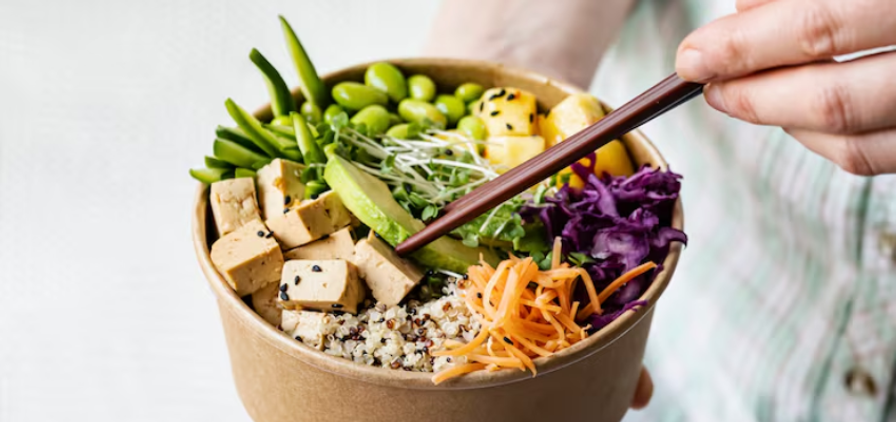
Before jumping in, it helps to know why this city is actually a smart choice.
- ●Growing interest in healthy eating: More Omaha residents are paying attention to what they eat. Whether it is for health reasons or just wanting to feel better, plant based diets are gaining fans across all age groups.
- ●Lower cost of living: Starting a food business in Omaha costs much less than starting one in a big city like Chicago or Denver. Rent, permits, and staff costs are friendlier on your wallet.
- ●Strong local food culture: Omaha has a good number of local farms and food producers. This makes it easier to find fresh, local ingredients for your kits instead of shipping everything from far away.
- ●Less competition, more opportunity: Unlike busy coastal cities already packed with meal kit delivery service options, Omaha still has room for a new business like yours to shine.
In short, Omaha gives you a friendly market, lower costs, and a growing group of people who are ready to try something new and healthy.
What Exactly Is a Plant Based Meal Kit Business?
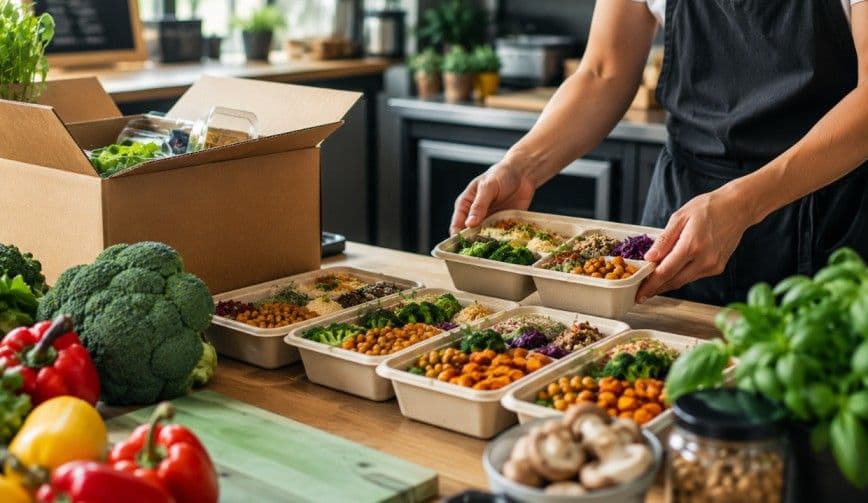
Let's keep this really simple. A meal kit business sends customers a box with pre-measured ingredients and an easy recipe card. The customer just has to cook it at home. No shopping, no measuring, no guessing how much garlic to add.
A plant based version means every single ingredient comes from plants. No meat, no dairy, no eggs. Just things like lentils, tofu, vegetables, beans, and grains, cooked in tasty ways.
Think of it like meal planning done for you, minus the animal products and minus the stress of figuring out what to cook every night.
Steps to Start Your Plant Based Meal Kit Business
1. Pick Your Niche
"Plant based" is a huge category, so you need to choose your lane. Are you making fast fifteen minute dinners for busy office workers? Family friendly meals that even fussy kids will eat? Or high protein vegan meal kits for gym lovers? Picking one clear focus makes your business easier to explain, and easier to market.
2. Learn the Local Food Rules
This part is not the fun part, but it is important. Every food business in Nebraska must follow local health department rules. This usually includes:
- ●A food service permit
- ●Regular kitchen inspections
- ●Food handling certificates for you and your team
Most meal kit businesses need to prepare food in a licensed commercial kitchen, not a home kitchen. Nebraska does have cottage food rules that allow certain foods to be made at home, but these rules have strict limits. It is smart to check directly with the Douglas County Health Department or the Nebraska Department of Agriculture before you begin.
3. Source Ingredients Locally
This is where Omaha truly helps you win. Farmers markets, food co-ops, and regional produce suppliers can help you build strong relationships, lower your costs, and keep your ingredients fresh. Buying local also becomes a great marketing story. People love supporting a local food business, especially one that cares about sustainability.
4. Build a Simple Menu
You do not need fifty recipes on day one. Start with five or six solid meals. Keep them easy to prepare and made with ingredients that are simple to find. Test the recipes on friends and family before your official launch. Once you know what people enjoy, slowly grow your menu from there.
5. Set Up Delivery and Packaging
Meal kit businesses depend heavily on smooth delivery. You need packaging that keeps food fresh and cool while it travels. Insulated boxes and ice packs are common tools for this. Decide early if you will deliver the kits yourself, hire local drivers, or team up with an existing delivery partner.
6. Price It the Right Way
Pricing can feel tricky at first. Price too high and people hesitate. Price too low and you will struggle to cover your costs. Look at what other subscription meal kits charge nationally, then adjust based on your local costs and what makes your kits special, such as fresher produce or a more personal touch.
7. Market to the Right Audience
Social media is your best friend here. Share behind the scenes videos, customer reviews, and simple cooking tips. Local food bloggers and Omaha based influencers can help spread the word quickly. A first time discount is also a great way to get new customers to try your kits without much risk.
Estimated Startup Costs
Here is a simple table to help you understand where your money might go when starting a small business in Omaha focused on plant based meal kits. These numbers are rough estimates and will change based on your exact plans.
| Expense | Estimated Cost |
|---|---|
| Food service permit and licenses | $200 to $600 |
| Commercial kitchen rental (monthly) | $500 to $1,500 |
| Packaging and insulated boxes | $300 to $800 |
| Initial ingredient stock | $500 to $1,000 |
| Website and branding | $300 to $1,000 |
| Marketing and social media ads | $200 to $500 |
As you can see, you do not need a giant pile of money to begin. Many small plant based food business owners start with a few thousand dollars and grow step by step.
Common Challenges to Expect
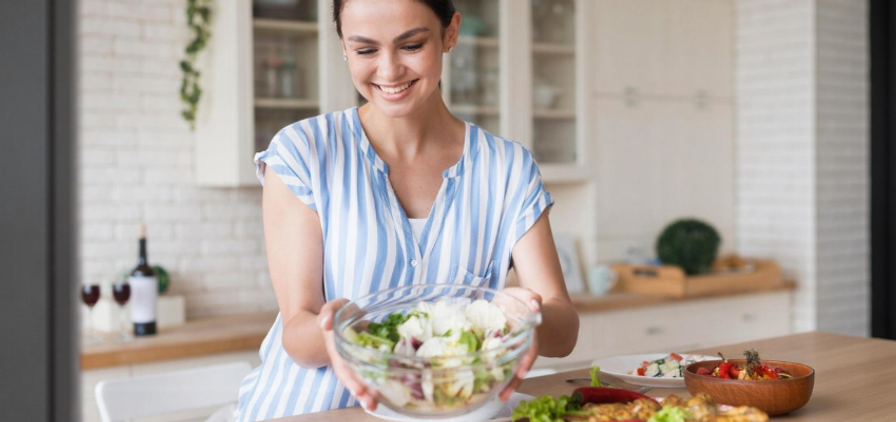
Starting any food business comes with a learning curve, and plant based meal kits are no different.
- ●Ingredient freshness: Plant based items like leafy greens and tofu spoil faster than many processed foods, so your supply chain needs to move quickly.
- ●Teaching customers: Not everyone knows how to cook with plant based ingredients yet. Clear, simple recipe cards make a big difference here.
- ●Seasonal changes: Omaha winters can affect what local ingredients are available, so having backup suppliers for colder months is a smart idea.
None of these are deal breakers. They are simply things to plan for early, so they do not surprise you later.
Final Thoughts
Starting a plant based meal kit business in Omaha is not just possible, it is genuinely a smart move right now. The city offers a growing interest in healthy eating, lower business costs, and a supportive local food scene. Add in your own creativity, a menu people actually crave, and a bit of patience, and you have got a business with real potential.
It will take effort and probably a few kitchen mishaps along the way. But if you enjoy good food and want to build something meaningful, this could be exactly the kind of business Omaha has been waiting for.
Ready to Get Started?
Plant based meal kit businesses can grow successfully when they combine fresh ingredients, strong customer relationships, and smart delivery strategies. The businesses that adapt faster are the ones creating better ordering experiences, building loyal customers, and increasing repeat orders.
BossWorks helps you plan, manage, and grow your plant based meal kit business with practical strategies for branding, customer engagement, inventory management, social media marketing, and business expansion.
Instead of struggling with changing customer trends, build smarter systems that improve customer satisfaction, attract more buyers, and help your meal kit business stay competitive in a growing market.
Frequently Asked Questions
Yes, you generally need a food service permit and access to a licensed commercial kitchen.
Most small meal kit businesses start with a few thousand dollars and grow slowly from there.
Only in limited cases under Nebraska's cottage food rules, since most kits need a licensed commercial kitchen.
Farmers markets, food co-ops, and regional produce distributors are the best places to start.
Yes, interest in plant based and healthy eating options is steadily growing across the city.