How Drone Property Inspections Are Creating New Business Opportunities in Dallas
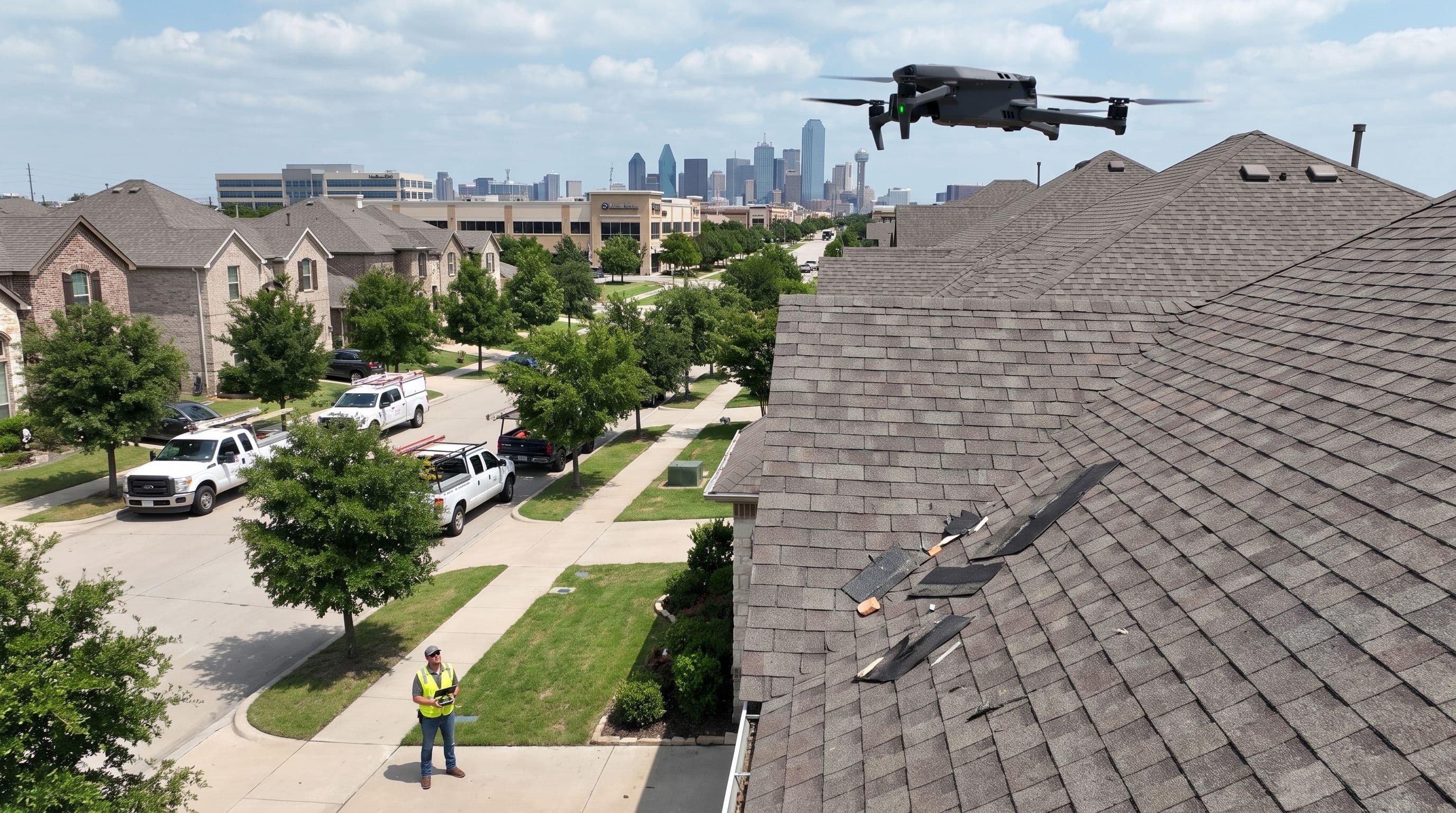
Insurance carriers and roofing contractors are increasingly using drones to inspect roofs and properties, reducing the need for risky ladder climbs. This shift is creating a real service opportunity for drone pilots.
The opportunity is not simply owning a drone. It is providing clear, reliable inspection data that adjusters, roofers, and property managers can use.
This guide covers the growing demand for drone property inspections in Dallas, what you deliver, required licensing, startup costs, pricing, and how to find your first clients.
The Trend Behind the Demand
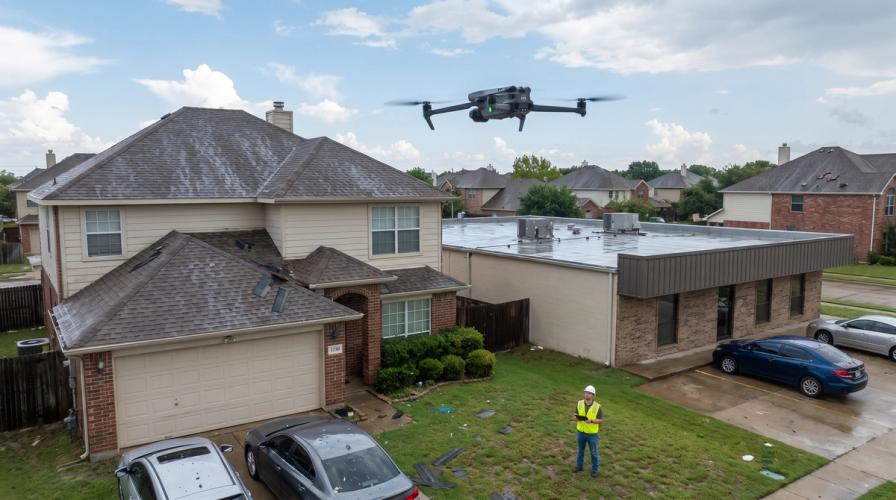
Demand comes from businesses that need to inspect roofs and buildings without putting people at risk.
- ●Insurance adjusters use aerial imagery to document storm damage and speed up claims.
- ●Roofing companies use it to assess repairs and prepare estimates.
- ●Property managers use it to monitor building conditions remotely.
- ●Realtors use it to showcase properties from better angles.
Dallas is a strong market because North Texas experiences hail, high winds, and storms that create inspection demand. At the same time, continued growth in homes, warehouses, and commercial buildings creates steady demand.
Together, these factors create both weather-driven and growth-driven demand, making drone inspections a practical service business.
For a deeper breakdown, check out everything you need to know about content creators.
What a Drone Inspection Business Delivers
At its core, a drone inspection business delivers information about hard-to-reach surfaces.
- ●Roof inspections for missing shingles, hail damage, and lifted flashing
- ●Gutter inspections to identify visible issues
- ●Solar panel inspections for basic visual checks
- ●Building facade inspections and general property overviews
But the footage is only half the product. Clients also need:
- ●Organized photos
- ●Steady video
- ●Annotated images
- ●Client-ready inspection reports
The difference between a hobby pilot and a professional is consistency. A professional follows repeatable flight patterns, captures useful angles, and turns the data into a clear report that clients can trust.
Licensing and Compliance You Cannot Skip
Before charging for drone services, you need to meet FAA and business requirements.
- ●Get an FAA Part 107 Remote Pilot Certificate by passing the required knowledge exam.
- ●Register your drone with the FAA.
- ●Follow Remote ID requirements for applicable aircraft.
- ●Get airspace authorization when required, especially in Dallas areas affected by controlled airspace. LAANC can provide authorization for many locations.
- ●Carry liability insurance suitable for commercial drone work.
- ●Follow basic safety procedures, including checking weather, scouting the site, and keeping the drone within visual line of sight.
These requirements may not be exciting, but following them helps protect your business, clients, and operating record.
Want to start a Photography business? Plan it smarter with a proven and trending Photography business plan.
Startup Costs and Gear That Matters
You can start a drone inspection business for less than many construction-related businesses. The main essentials are a reliable inspection-grade drone, extra batteries, memory cards, reporting software, and the required paperwork.
Start with what you need to complete professional jobs and upgrade as revenue grows. You do not need thermal equipment or a second drone on day one.
| Startup Item | Typical Range | Buy Now or Later |
|---|---|---|
| Inspection-grade drone with camera | $1,500 to $5,000 | Now |
| Extra batteries and memory cards | $300 to $800 | Now |
| Reporting and mapping software | $30 to $150/month | Now |
| FAA Part 107 exam and prep | $175 exam plus prep | Now |
| Liability insurance | $500 to $1,200/year | Now |
| Business formation and basics | $100 to $500 | Now |
| Thermal camera or second drone | $2,000+ | Later |
These are planning ranges based on commonly published market prices. Confirm current costs before purchasing. The FAA Part 107 exam fee is $175.
Read More | How to Start a Drone Roof Inspection Business for Insurance Adjusters in Tulsa.
Pricing Your Services
Pricing can make or break a drone inspection business. New operators should account for more than flight time, including travel, editing, reporting, insurance, and business costs.
Common pricing models include:
| Pricing Model | Best For | How It Works |
|---|---|---|
| Per-inspection flat fee | Standard residential roofs | One set price per property |
| Property-size based | Commercial buildings, acreage | Price based on size or area |
| Add-on fees | Jobs needing extras | Base price plus thermal, rush, or detailed reporting |
| Monthly retainer | Property managers, contractors | Fixed monthly fee for a set inspection volume |
The key is to price for the entire job, not just the time spent flying. A short flight can still require significant travel, editing, and report preparation.
Winning Your First Commercial Clients
The fastest path to revenue is not chasing homeowners one at a time. It is partnering with businesses that already need inspections repeatedly and would happily outsource the flying. Each type of client has a slightly different need and responds to a slightly different pitch, so it pays to tailor your approach rather than send everyone the same generic email.
The table below breaks down the main commercial targets, what they actually need, how to get in front of them, and what to put on the table when you do. Treat it as a starting script you refine with every conversation.
| Target Client | What They Need | How to Approach Them | What to Offer |
|---|---|---|---|
| Roofing companies | Fast damage scoping without climbing | Visit during storm season, offer a free sample flight | Same-day annotated roof reports |
| Property managers | Ongoing building condition tracking | Email plus a short portfolio, then follow up | A retainer covering their portfolio |
| Insurance-related businesses | Documented, claim-ready imagery | Emphasize your Part 107 and insurance | Standardized, adjuster-friendly reports |
| Realtors | Listing visuals and pre-sale roof checks | Connect through local agent networks | Quick-turnaround photo and video packages |
| Restoration contractors | Before-and-after damage documentation | Introduce yourself after major weather events | Timestamped comparison reports |
The common thread is reliability. These clients are not buying spectacular footage; they are buying the confidence that when they need a roof looked at Tuesday, you will be there Tuesday with a report they can use. Show up prepared, deliver consistently, and one good roofing partner can keep your calendar full for a season.
Building a Repeatable Business
A single job is a gig. A repeatable process is a business. Standardize your flights, required images, and reports so every client receives a consistent deliverable.
Focus on building recurring revenue through:
- ●Property manager retainers
- ●Standing agreements with roofers
- ●Post-storm contracts with restoration companies
The goal is to build a client base that calls you first instead of constantly chasing one-off jobs.
Upgrade equipment based on demand. Buy a thermal sensor when you are regularly turning down thermal jobs, or add another pilot when you can no longer handle the workload yourself.
A Simple 30-Day Launch Plan
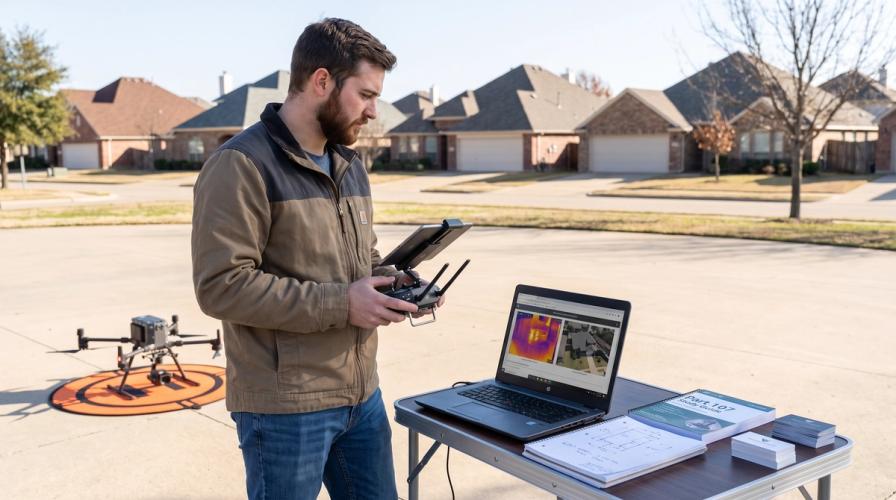
A month is enough time to move from idea to first outreach if you work deliberately.
- ●Week 1: Study for the Part 107 exam, choose your business structure, and research Dallas controlled airspace.
- ●Week 2: Pass or schedule the exam, register your drone, handle Remote ID, and get liability insurance.
- ●Week 3: Practice flights with permission, create a repeatable inspection process, and prepare two or three sample reports.
- ●Week 4: Contact roofing companies and property managers, offer a low-risk first flight, and finalize your pricing.
By day 30, the goal is not a full calendar. It is to be legal, capable, and ready to serve your first clients.
Read More | Can AI Increase Demand for Tech Services in Raleigh.
Final Thoughts
Drone property inspections are becoming a practical service opportunity for operators who can combine safe flying with reliable reporting. The real value is not the drone itself, but the ability to deliver clear inspection data that roofing companies, property managers, insurers, and realtors can use.
Starting small, following FAA requirements, pricing for the full service, and building repeat client relationships can turn drone piloting into a sustainable business. As demand grows, you can expand your equipment, services, and client base based on what the market actually needs.
If you want a clearer path from idea to launch, BossWorks can help you build a practical business roadmap covering startup costs, pricing, operations, compliance, and customer acquisition.
Ready to Get Started?
The demand for drone property inspections is growing as roofing companies, insurance professionals, property managers, and realtors look for safer and more efficient ways to inspect buildings. A drone inspection business can provide clear aerial imagery, document property conditions, and deliver useful reports without relying entirely on traditional inspections.
BossWorks helps you plan, manage, and grow your drone inspection business with practical strategies for business setup, pricing, marketing, customer acquisition, operations, and long-term growth.
Instead of competing only on price, build a professional inspection service that delivers reliable data, consistent reporting, fast turnaround times, and a better client experience.
Frequently Asked Questions
Yes. You need an FAA Part 107 Remote Pilot Certificate and must follow FAA registration, Remote ID, and airspace rules.
Expect roughly $2,500 to $7,500 for a basic setup, including the drone, batteries, software, insurance, exam, and business costs.
Professionals capture consistent imagery and provide organized, client-ready inspection reports.
Roofing companies, property managers, insurance-related businesses, realtors, and restoration contractors.
Use flat fees, property-size pricing, add-ons, or monthly retainers, while accounting for travel, reporting, and other business costs.