A First Season at a Backyard Greenhouse Kit Installation Business in Grand Junction
When I started my backyard greenhouse business in Grand Junction, I imagined calm mornings, happy customers, and neat little glass houses full of tomatoes. What I actually got was a crash course in weather, screws, and how one small box of parts can test your patience. Still, it was a good first year, and I learned a lot. Here is the story, told the way I would tell a friend over coffee.
Why Grand Junction Is a Good Spot for This Kind of Work
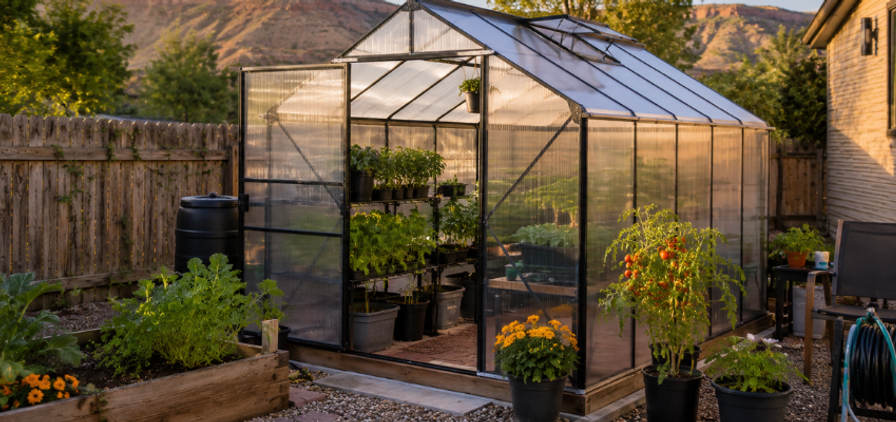
Grand Junction has sunny days most of the year, but the temperature can jump around a lot. One week you are watering plants in shorts. The next week there is frost on the grass. That is exactly why greenhouse kits have become so popular here. People want to start their gardens earlier in spring and keep them growing later into fall, without losing everything to a surprise cold night.
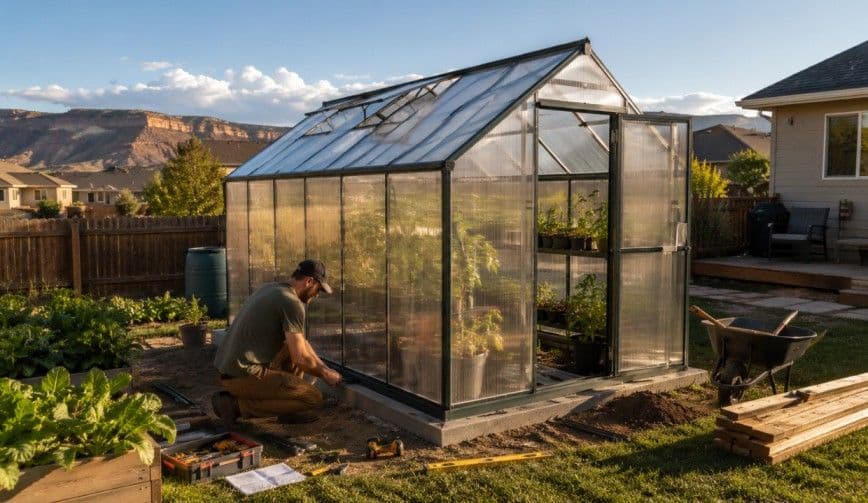
A greenhouse kit is basically a ready-made structure. It comes with frame pieces, panels, and all the hardware needed to build a small greenhouse in your yard. My job in greenhouse kit installation is to put these pieces together correctly and set them up so they actually survive Grand Junction weather, not just look nice on day one.
Before I started this business, I honestly thought a greenhouse was just a box with clear walls. I had no idea how much thought goes into choosing the right spot in a yard, checking sunlight direction, and making sure water drains away properly instead of pooling around the base. Turns out, a greenhouse is a small building, and small buildings deserve careful planning.
Getting the Business Started
Before I installed a single greenhouse, there was a lot of homework to do. I looked into local permit rules, since some structures need approval depending on their size and how close they sit to the property line. I also learned about wind loads, which simply means how much wind pressure a structure can handle before it starts to wobble or lean.
I also had to pick good suppliers. Not every kit is built the same way. Here is a quick comparison of what I found when researching DIY greenhouse kits for customers.
| Feature | Budget Kits | Sturdier Kits |
|---|---|---|
| Frame material | Thin steel or plastic | Aluminium or galvanised steel |
| Panels | Thin plastic sheets | Polycarbonate panels |
| Wind resistance | Weak in strong gusts | Handles gusty days better |
| Lifespan | 1 to 2 seasons | Several years with care |
| Price | Lower upfront cost | Higher upfront cost |
Cheaper kits looked tempting, but I quickly learned that helping customers pick the right one mattered more than making a quick sale.
The First Few Installations
My very first job was for a retired teacher who wanted a small greenhouse for herbs and seedlings. It should have been simple, but her yard had a slight slope. That meant I had to build a level base first, using pavers and gravel so the greenhouse frame would sit evenly. If the frame is not level, doors do not close right, and panels do not fit properly.
That job took twice as long as planned, but it turned out great in the end. After that, I started bringing along a few extra tools every single time, including:
- ●A spirit level, to check the ground is flat
- ●A rubber mallet, for gently tapping panels into place
- ●Extra screws and brackets, because something always goes missing
- ●A tape measure, checked twice before any cutting
I also learned to never skip the anchoring system, which is the hardware that holds the greenhouse down to the ground. Skipping this step is basically asking for a very expensive kite the next time the wind picks up.
Lessons From the Grand Junction Wind
If one thing humbled me this season, it was the wind. Grand Junction can go from calm to gusty within an hour, especially in spring. On one early job, I did not double up on the ground anchors, thinking the base weight alone would be enough. A few days later, the customer called to say part of the structure had shifted overnight.
Nobody was hurt, and the damage was small, but it was a wake-up call. After that, I started:
- ●Using deeper ground stakes
- ●Adding extra anchor points on exposed yards
- ●Checking the manufacturer's wind rating before recommending a kit
Lesson learned the hard way, but learned all the same.
What Customers Actually Wanted
I assumed most people wanted a greenhouse purely to grow vegetables, but the reasons were more varied than I expected.
| Customer Goal | What They Needed Most |
|---|---|
| Growing vegetables for the family | Strong greenhouse ventilation and shelving |
| Selling produce at a farmers market | Extra space and sturdy shelving |
| A calm hobby space | Better flooring and a small bench |
| Protecting plants from hail and sun | Sturdy panels and a solid frame |
| Extending growing season | Insulation and good sealing around doors |
Understanding what each person actually planned to do with their greenhouse changed how I set things up, right down to where I placed the vents and doors.
One family, for example, had two young kids who wanted to grow sunflowers taller than themselves. That job was less about heavy-duty ventilation and more about making the space safe and easy for children to walk through. Another customer was a retired engineer who wanted exact temperature control, so we spent extra time talking about vent placement and shading. No two greenhouses ended up looking exactly the same, even when the kits were identical to start with.
The Not So Glamorous Parts
Nobody tells you how much of greenhouse kit installation involves crawling on your knees, adjusting bolts that are just slightly too tight or too loose. Or how the instructions that come in the box often read like they were written for an engineer, not a regular homeowner. I spent more evenings than I would like to admit squinting at diagrams, trying to figure out which panel matched which letter.
Weather also wrecked my schedule more than once. Installing panels in strong wind is not just annoying; it is unsafe, since a large panel can act like a sail and knock someone over. A few jobs had to be rescheduled because of this. Most customers understood, though a couple thought I was being overly careful, until I explained what a flying greenhouse panel could actually do.
What Surprised Me the Most
The biggest surprise this season was how much people cared about small details. Things like a perfectly level base, sealed gaps to stop drafts, and a simple drip irrigation setup made customers far happier than fancy extras. Word of mouth quickly became my best form of marketing. A few kind reviews mentioning “careful work” and “actually shows up on time” brought in more calls than any flyer I handed out.
I also did not expect to enjoy the home gardening side of things so much. Talking with customers about what they wanted to grow, planning shelf space for seed trays, and watching their excitement when the greenhouse finally stood up gave the work a personal touch I had not expected from what I thought was just a building job.
Looking Ahead to Next Season
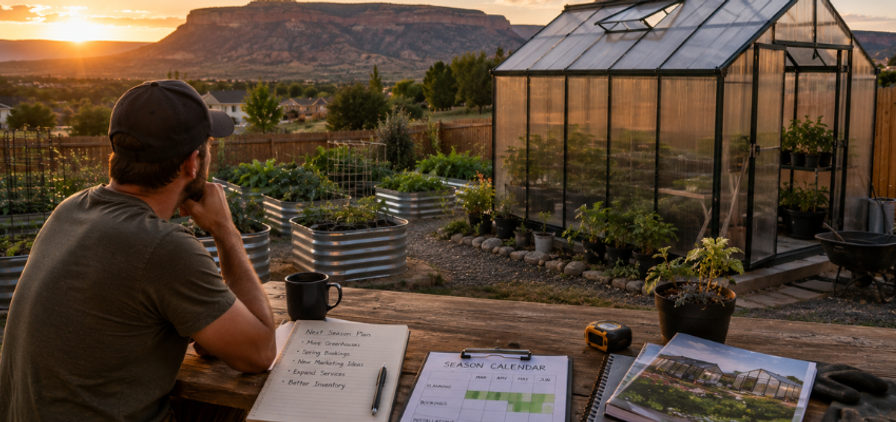
After one full season running this small business, I have a much clearer picture of what backyard greenhouse work in Grand Junction really involves. Next year, I plan to:
- ●Guide customers toward wind-resistant kits from the very first phone call
- ●Build a simple greenhouse maintenance checklist for customers to follow
- ●Remind everyone to check anchor bolts before big storms
- ●Encourage regular panel cleaning so sunlight keeps coming through clearly
It was a season full of small mistakes, quick fixes, and steady learning on the job. But by the end of it, there were a dozen backyard greenhouses standing steady across Grand Junction, each one helping someone grow something they cared about a little earlier, a little longer, or a little more successfully than before.
Final Thoughts
Looking back, this first season taught me that running a backyard greenhouse business is not just about following instructions and tightening bolts. It is about understanding the land, respecting the wind, and really listening to what each customer wants out of their little green space. Grand Junction's weather kept me on my toes more than once, but it also pushed me to build stronger habits and better systems from the very beginning.
If you are thinking about starting something similar, or even just installing your first DIY greenhouse at home, my honest advice is simple. Do not rush the base, do not skip the anchors, and always plan for wind before you plan for anything else. Everything else tends to fall into place once those basics are handled properly.
Ready to Get Started?
Backyard greenhouse kit businesses work best when they combine sturdy installations, honest customer guidance, and simple systems that keep clients coming back for maintenance and upgrades. The installers who grow fastest are the ones who plan for wind and weather early, choose quality kits over cheap shortcuts, and build a strong reputation through word of mouth.
BossWorks helps you plan, manage, and grow your greenhouse installation business with practical strategies for branding, customer bookings, kit sourcing, inventory management, social media marketing, and business expansion.
Instead of struggling with unpredictable weather and the daily challenges of small business installation work, build smarter systems that improve scheduling, attract more local customers, and help your greenhouse business stay competitive in a growing market.
Frequently Asked Questions
Most kits take one to two days to install, depending on size and ground conditions.
It depends on the size and location, so it is best to check with local authorities first.
Aluminium frames with polycarbonate panels hold up much better than thin plastic kits.
Yes, if you add proper ventilation, sealing, and sometimes a small heater for winter.
Small kits work for herbs and seedlings, while bigger kits suit shelving and larger plants.