Why Are Minneapolis Retail Stores Becoming Community Hubs
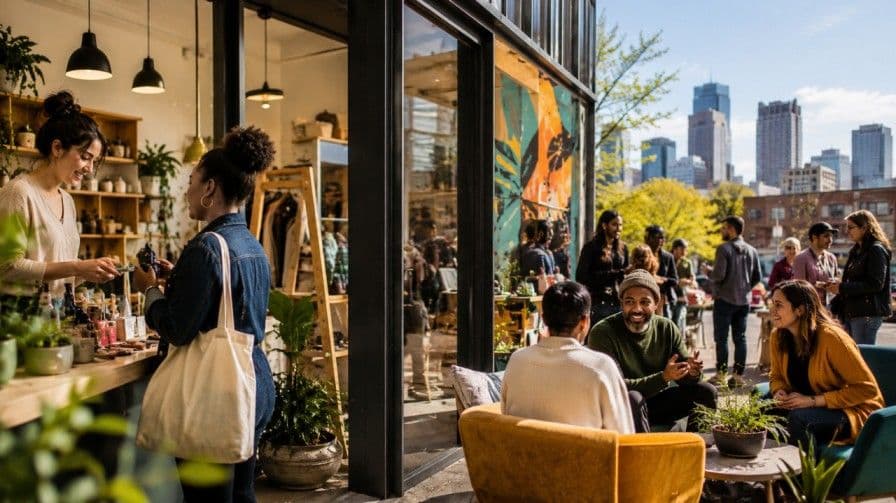
Walking into a store in Minneapolis today feels very different from a few years ago. People are not just entering shops to grab a product and leave. Many are stopping for coffee, chatting with store owners, attending workshops, or even meeting neighbours. In a world filled with online shopping and fast deliveries, something surprising is happening. The Local Retail Business in Minneapolis is becoming more personal, more social, and much more community-focused.
This shift is not happening by accident. Retail store owners in Minneapolis are finding smart ways to create spaces where people feel connected. Customers are no longer looking only for discounts. They want experiences, conversations, and a reason to come back again.
Interestingly, some stores now feel more welcoming than a family WhatsApp group during festival season.
Community Matters More Than Ever
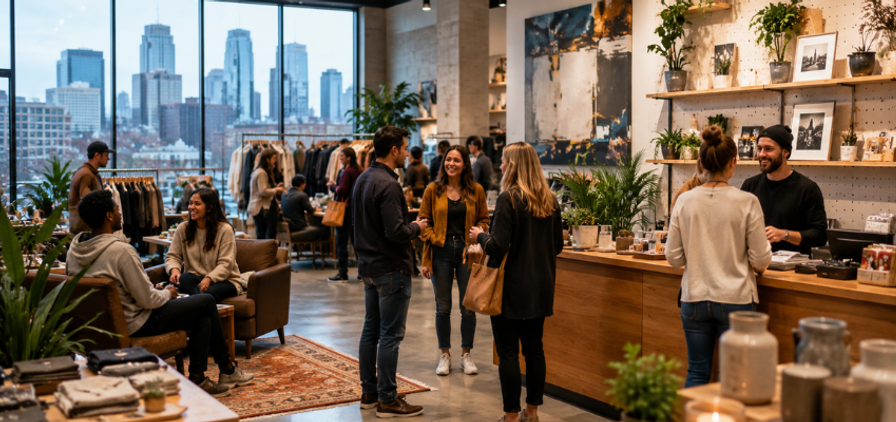
People spend a huge part of their lives online. Work meetings happen on screens, shopping happens on apps, and even birthday wishes arrive through notifications. Because of this, many people miss real human interaction.
That is where local stores step in.
A local shop owner often remembers customer names, preferences, and even personal stories. That small human touch creates loyalty, which big online platforms struggle to match.
For example, a bookstore in Minneapolis may host poetry nights, while a clothing boutique might organize local fashion events. Customers begin seeing these stores as gathering spots instead of simple shopping locations.
How Shopping Habits Have Changed
| Old Shopping Style | New Community Shopping Style |
|---|---|
| Quick buying | Experience-focused visits |
| Limited interaction | Personal conversations |
| Price-focused decisions | Relationship-focused decisions |
| One-time customers | Repeat loyal visitors |
| Online-only convenience | Hybrid online and offline experiences |
This transformation is helping small businesses grow stronger in competitive markets.
Local Retail Business in Minneapolis Is Creating Real Experiences
Modern customers love experiences they can share with friends or post online. Stores that offer something unique naturally attract more visitors.
Many Minneapolis retail stores now organize:
- ●DIY workshops
- ●Local artist exhibitions
- ●Live music evenings
- ●Farmers market events
- ●Coffee tasting sessions
- ●Community charity drives
These activities turn ordinary stores into neighbourhood hangout spots.
A customer may enter a shop planning to buy candles and leave after learning how to make one. That is the power of experience-based retail.
The Rise of Hyperlocal Shopping
People are becoming more interested in supporting businesses within their own city. Minneapolis residents increasingly prefer buying from nearby stores instead of giant corporations.
Why?
Because local purchases often support:
- ●Nearby jobs
- ●Local families
- ●Independent creators
- ●Sustainable practices
- ●Community events
Customers feel their money stays within the community rather than disappearing into a giant corporate machine somewhere far away.
Popular Reasons People Support Local Stores
| Reason | Impact on Community |
|---|---|
| Supporting the local economy | Creates local jobs |
| Better customer service | Builds stronger trust |
| Unique products | Encourages creativity |
| Personal relationships | Creates loyal customers |
| Community events | Improves neighbourhood connections |
This trend is helping Minneapolis become known for its vibrant neighbourhood shopping culture.
Small Stores Are Winning Through Personality
Large retail chains often look the same in every city. Local stores, however, have personality.
One Minneapolis café may display local paintings while another shop may feature handmade furniture built by nearby artists. Customers remember these details because they feel authentic.
Authenticity matters today more than polished corporate branding.
A quirky local store with a funny owner and handmade decorations can leave a stronger impression than a giant showroom with perfect lighting and robotic greetings.
Sometimes customers return just because the shop owner remembers their dog’s name.
Social Media Is Helping Local Retail Stores Grow
Social media plays a major role in turning retail businesses into community hubs.
Local shops in Minneapolis use platforms like Instagram and Facebook to:
- ●Announce events
- ●Promote local collaborations
- ●Share customer stories
- ●Highlight community involvement
- ●Showcase behind-the-scenes moments
This creates a feeling of closeness between businesses and customers.
People enjoy supporting brands that feel human instead of overly corporate.
How Social Media Helps Local Retail Businesses in Minneapolis
| Social Media Activity | Benefit |
|---|---|
| Event promotion | Increases foot traffic |
| Customer stories | Builds emotional connection |
| Live videos | Creates transparency |
| Community collaborations | Expands local reach |
| Local influencer partnerships | Attracts younger audiences |
Funny videos, casual updates, and relatable content often perform better than expensive advertisements.
Apparently, people trust a slightly blurry coffee photo more than a perfect stock image.
Retail Spaces Are Becoming Multi-Purpose
A major trend in Minneapolis is the rise of hybrid retail spaces.
Stores are combining multiple services under one roof to create stronger customer engagement.
Examples include:
- ●Coffee shops inside bookstores
- ●Art galleries inside boutiques
- ●Mini workspaces inside cafés
- ●Yoga classes inside wellness stores
- ●Craft workshops inside gift shops
Customers enjoy spending more time in places that offer multiple experiences.
This approach also helps businesses increase revenue while building stronger community relationships.
Minneapolis Has a Strong Local Identity
Minneapolis has always supported creativity, independent businesses, and neighbourhood culture. Residents often appreciate businesses that reflect local values.
Many stores focus on:
- ●Sustainability
- ●Handmade products
- ●Ethical sourcing
- ●Eco-friendly packaging
- ●Supporting local artists
Customers feel proud supporting businesses that match their beliefs.
This local pride is one reason why independent retail businesses continue growing despite strong online competition.
Events Are Driving Store Traffic
Retail events are becoming a powerful business strategy.
Stores are no longer waiting quietly for customers to enter. They actively create reasons for people to visit.
Popular event ideas include:
- ●Holiday pop-up markets
- ●Networking meetups
- ●Local music nights
- ●Kids activity days
- ●Food sampling events
- ●Seasonal celebrations
These events create excitement while helping people connect with each other.
Community Events and Their Business Impact
| Event Type | Business Benefit |
|---|---|
| Pop-up markets | Attracts new visitors |
| Workshops | Increases customer engagement |
| Charity events | Improves brand reputation |
| Seasonal festivals | Boosts sales |
| Networking gatherings | Creates partnerships |
Customers who attend events often become long-term supporters.
Free snacks also help. Humanity has not evolved beyond that point yet.
Local Retail Businesses Offer Better Human Connection
One reason many people avoid large online marketplaces is the lack of personal interaction.
In local stores, customers can:
- ●Ask questions directly
- ●Receive product recommendations
- ●Build relationships with staff
- ●Share feedback instantly
- ●Feel emotionally connected
This human element creates comfort and trust.
Many shoppers now prefer spending money where they feel recognized rather than treated like another order number.
Younger Customers Want More Than Shopping
Millennials and Gen Z customers especially value experiences and community involvement.
These younger shoppers often choose businesses based on:
- ●Brand personality
- ●Social responsibility
- ●Sustainability efforts
- ●Local involvement
- ●Authenticity
This is why many Minneapolis stores focus heavily on storytelling and customer relationships.
A business that supports local artists or hosts charity drives often gains stronger loyalty from younger audiences.
Technology Is Supporting Community Retail
Technology is not destroying local retail. In many cases, it is helping it grow.
Retail businesses now use technology to:
- ●Accept online orders
- ●Offer local delivery
- ●Run loyalty programs
- ●Promote events online
- ●Connect with customers faster
The smartest businesses combine digital convenience with real-world experiences.
Traditional Retail vs Modern Community Retail
| Traditional Retail | Modern Community Retail |
|---|---|
| Product-focused | Experience-focused |
| Limited interaction | Active engagement |
| Basic transactions | Emotional connection |
| Simple storefronts | Community gathering spaces |
| Offline-only sales | Online and offline integration |
This balance helps local businesses compete with major online platforms.
Challenges Local Retail Businesses Still Face
Even with growing popularity, local stores still face several difficulties.
Some common challenges include:
- ●Rising rent costs
- ●Online competition
- ●Staffing shortages
- ●Seasonal sales fluctuations
- ●Economic uncertainty
However, businesses that build strong community relationships often survive longer during difficult periods.
Customers are more likely to support stores they feel emotionally connected to.
That emotional loyalty can be stronger than discount offers.
Why Minneapolis Is a Great Place for Community Retail
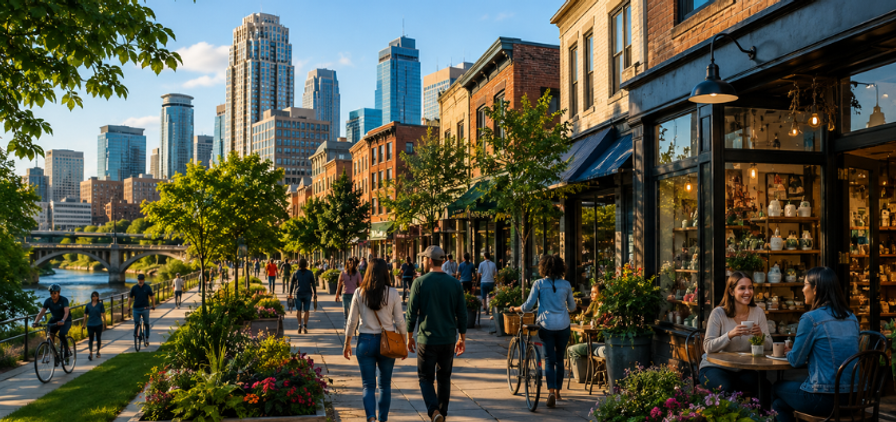
Minneapolis has several advantages that support community-based retail growth.
Key Strengths of Minneapolis Retail Culture
| Strength | Why It Matters |
|---|---|
| Strong local culture | Encourages independent businesses |
| Active neighbourhoods | Creates loyal communities |
| Creative population | Supports unique retail ideas |
| Event-friendly atmosphere | Helps stores host activities |
| Sustainability awareness | Encourages ethical shopping |
The city’s culture naturally supports businesses that prioritize relationships over pure sales.
Future Trends for Local Retail Business in Minneapolis
The future looks promising for community-focused retail stores.
Some growing trends include:
- ●Membership-based shopping communities
- ●More local collaborations
- ●In-store experiences are becoming bigger attractions
- ●Sustainability-focused retail
- ●Hybrid physical and digital shopping
- ●Community wellness programs
Retail businesses that adapt to these trends may continue growing even in highly competitive markets.
The stores most likely to succeed are those that make customers feel included, welcomed, and valued.
People may come for a product, but they often return because of the atmosphere.
Final Thoughts
The Local Retail Business in Minneapolis is evolving into something much bigger than shopping. These stores are becoming social spaces, creative hubs, and neighbourhood gathering points. Customers today want experiences, conversations, and emotional connections along with quality products.
Local retailers that focus on community building are creating stronger customer loyalty while standing out from large online competitors. Minneapolis continues to prove that physical retail is far from disappearing. It is simply changing into a more human and experience-driven industry.
And honestly, any place offering shopping, coffee, conversation, and free samples in one building already sounds difficult to resist.
Ready to Get Started?
Retail businesses can continue growing when they combine great customer experiences, strong community connections, and smart business strategies. The businesses that adapt faster are the ones building loyal customers, better shopping experiences, and long-term success.
BossWorks helps you plan, manage, and grow your retail business with practical strategies for branding, customer engagement, sales growth, inventory management, and business expansion.
Instead of worrying about changing shopping trends, build smarter systems that improve customer satisfaction, attract more buyers, and help your retail business stay competitive in a fast-changing market.
Frequently Asked Questions
Local retail stores support the local economy, create jobs, and strengthen neighbourhood relationships. They also provide unique products and personalised customer service.
Many stores host events, workshops, social gatherings, and collaborations with local artists. This helps customers connect with businesses and with each other.
Local stores offer personal interaction, hands-on experiences, immediate support, and stronger emotional connections that online shopping often lacks.
Social media helps stores promote events, connect with customers, share updates, and build stronger community engagement online.
The future includes more experience-based shopping, hybrid retail models, sustainability-focused stores, and stronger community involvement.