YouTube and Podcast Studio Rental in Reno: When a Booked Slot Goes Empty
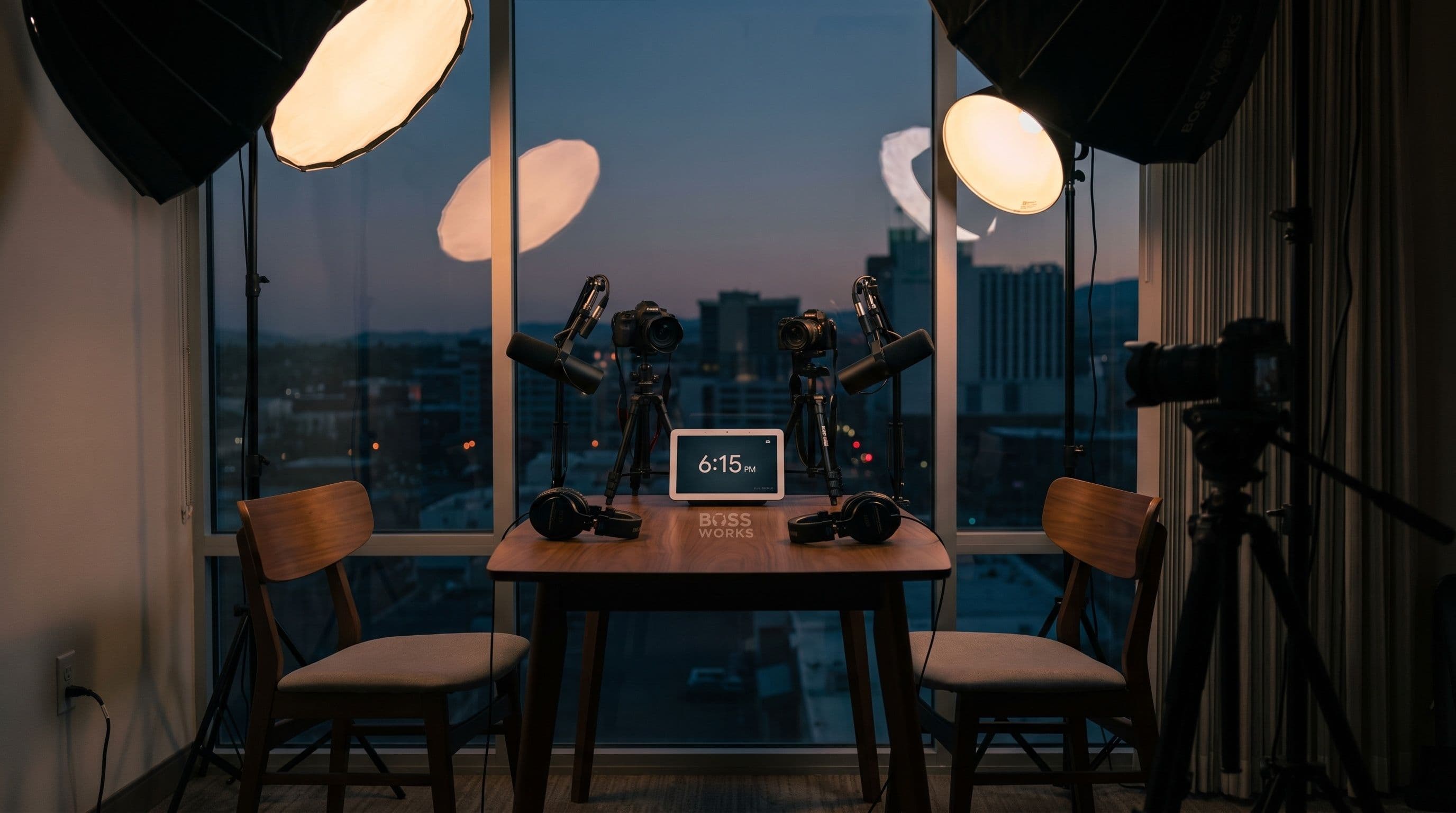
Imagine it is a Friday evening in your Reno studio. A podcaster has booked a two-hour slot at 6 p.m., one of the most valuable times on your calendar. You turned away another creator who wanted the same slot. You arrived early, set up the lights and microphones, checked the audio, and prepared the studio.
Then 6 p.m. arrives. Then 6:15. There is no message, no call, and no payment. The studio is simply sitting empty during a time that was supposed to generate revenue.
If you rent studio time for YouTube videos, podcasts, interviews, or creator sessions, this can happen more often than you expect. A busy calendar may look healthy, but no-shows, late cancellations, and constant rescheduling can quietly reduce your actual earnings.
For a deeper breakdown, check out everything you need to know about content creators.
The Empty Slot Costs More Than the Rental Fee
The obvious loss from a no-show is the session fee. But there is another loss. You reserved that time for one customer, which means another creator could not use the studio.
Studio time is inventory. When a Friday evening passes unused, you cannot sell that hour tomorrow.
You may also have already spent time preparing the studio, checking equipment, and travelling there. A few empty prime-time slots each month can therefore have a bigger effect than they first appear to.
Why Clients Cancel, Reschedule, and Vanish
Most customers are not deliberately trying to cause problems. Plans change. A podcast guest cancels. Equipment stops working. A creator needs more time to prepare.
The problem becomes bigger when there is no commitment attached to the booking.
Common patterns include:
- ●The beginner: Books a large block before being fully ready.
- ●The casual booker: Cancels because they have nothing invested upfront.
- ●The serial rescheduler: Keeps moving the session to another date.
- ●The late arrival: Shows up late but still expects the full booking.
- ●The last-minute canceller: Gives you little time to refill the slot.
Read More | Why Content Creators in Little Rock Are Renting Studios Instead of Homes.
Deposits and Clear Cancellation Rules
One way to protect your calendar is to collect a deposit or payment when the booking is made. Customers have more reason to take the appointment seriously when they have already committed financially.
Your cancellation policy should also be clear and easy to understand. It can explain:
- ●Deposit requirements
- ●Cancellation deadlines
- ●Rescheduling rules
- ●No-show terms
- ●Late-arrival rules
- ●What happens to the deposit after a late cancellation
Put these rules on the booking page and confirmation message. Customers should know them before they reserve the studio, not after something goes wrong.
Want to start a business? Plan it smarter with a proven and trending business plan.
Use Reminders to Protect Your Best Hours
A simple reminder can prevent a forgotten booking from becoming an empty studio.
Send:
- ●Booking confirmation: Immediately after the reservation.
- ●Day-before reminder: Confirm the time and important details.
- ●Final reminder: Send a few hours before the session when appropriate.
Include the studio address, parking information, arrival instructions, and anything the creator needs to bring.
When a cancellation happens, contact people on a standby list. Some creators may be happy to take a last-minute evening or weekend slot. You will not fill every cancellation, but even an occasional replacement is better than leaving the studio empty.
Track the Slots That Keep Going Wrong
Do not only count bookings. Track what happens after people book.
Keep a record of:
- ●No-shows
- ●Rescheduled sessions
- ●Late arrivals
- ●Unused studio hours
- ●Time slots with repeated cancellations
After a few months, you may notice patterns. Perhaps certain time slots have frequent cancellations while others are consistently used.
That information can help you decide where stronger booking rules are actually needed.
Keep the Rules Firm and the Tone Warm
Clear policies do not have to make your studio feel unfriendly. Explain that deposits and cancellation rules exist because you reserve the studio specifically for each customer.
You can also leave some room for goodwill. A regular customer who has always shown up may deserve more flexibility after one genuine problem than someone who repeatedly cancels at the last minute.
The goal is not to punish customers. It is to make your studio's time worth respecting.
Ready to Make It Real? Turn your business idea into a clear plan and take the next step with BossWorks
Final Thoughts
Cancellations will always happen. What matters is how much each empty slot affects your business.
A deposit, cancellation policy, timely reminders, standby list, and simple tracking system can help protect your most valuable hours.
The studio sells time. When a prime Friday evening passes unused, that hour cannot be reclaimed. A calendar full of bookings may look good, but the real measure is how many bookings actually become completed sessions.
Before You Spend, Know What It Takes
A good business idea should not depend on guesswork. Check your startup costs, market potential, licenses, funding options, and pricing before you make a major decision. BossWorks gives you practical answers tailored to your business and city, so you can move forward with more clarity and less uncertainty.
Frequently Asked Questions
Yes. A deposit helps reduce no-shows and encourages clients to take bookings seriously.
A 24 to 48-hour window is common. Set clear rules for cancellations and rescheduling.
Limit free rescheduling and apply your deposit policy after repeated changes.
Contact your standby list quickly to find a creator who can take the open slot.
Not usually. Keep the rules clear and the tone friendly so clients understand why they exist.