How Vertical Growing Businesses Are Redefining Urban Farming in Rochester
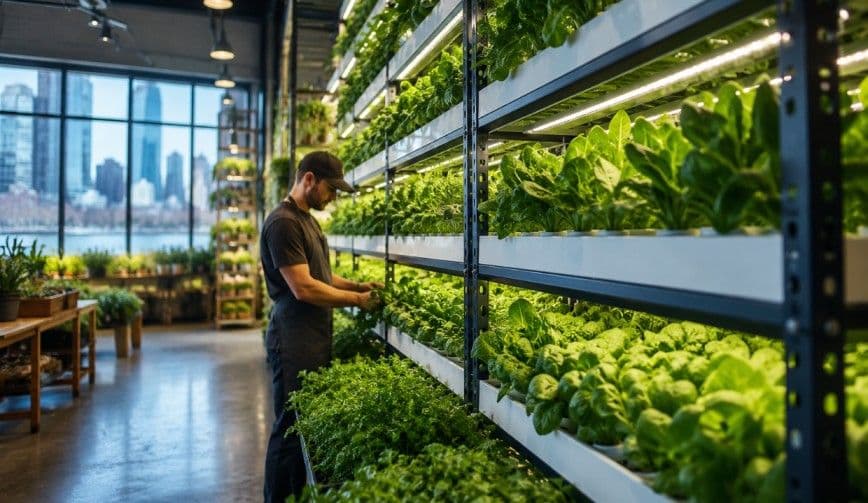
Fresh vegetables growing inside warehouses once sounded like something from a science fiction movie. Today, it is becoming a serious business trend across Rochester. Vertical growing businesses are changing the way cities think about farming by producing fresh food indoors using stacked growing systems, smart lighting, and controlled environments.
As cities continue expanding and traditional farmland becomes harder to manage, indoor farming is offering a practical solution. Rochester is becoming an important location for this growing industry because of its strong demand for fresh produce, changing consumer habits, and long winters that make outdoor farming difficult for several months every year.
The Vertical Growing Business in Rochester is now helping local restaurants, grocery stores, and customers access fresher produce while creating new business opportunities at the same time.
And honestly, plants growing under LED lights inside buildings no longer feel strange. It now feels surprisingly smart.
Why Vertical Farming Is Growing in Rochester
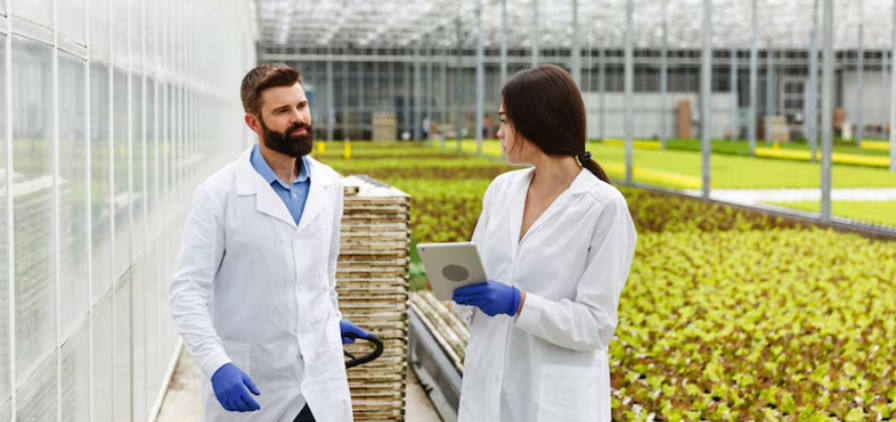
Several factors are helping vertical farming grow in Rochester.
One major reason is the weather. Outdoor farming in Rochester depends heavily on seasons, rainfall, and temperature changes. Indoor farming removes many of these challenges because crops grow in controlled conditions throughout the year.
Another reason is consumer demand. More people now prefer:
- ●Fresh vegetables
- ●Locally grown food
- ●Sustainable farming methods
- ●Pesticide-free produce
Restaurants are also searching for reliable local suppliers. Fresh herbs and leafy greens improve food quality, and chefs prefer ingredients that arrive quickly after harvest.
Rochester also has industrial buildings and warehouse spaces that can be converted into indoor farms. Instead of remaining empty, these spaces are becoming productive agricultural centres.
What Is a Vertical Growing Business
A vertical growing business grows crops indoors using stacked shelves or towers instead of large open farmland.
Plants grow upward rather than spreading across wide fields.
Most indoor farms use hydroponic systems.
Simple explanation of hydroponics
Hydroponics is a farming method where plants grow in nutrient-rich water instead of soil.
Some farms also use aeroponics.
Simple explanation of aeroponics
Aeroponics grows plants with roots suspended in the air while nutrient mist is sprayed directly onto them.
These systems help businesses save water, increase crop production, and grow food in smaller spaces.
Common indoor crops include:
- ●Lettuce
- ●Spinach
- ●Kale
- ●Basil
- ●Mint
- ●Microgreens
These crops grow quickly and are highly popular with restaurants and health-conscious customers.
How Vertical Growing Businesses Are Redefining Urban Farming
Traditional farming usually requires large farmland, good weather, and seasonal planning. Vertical farming changes this completely.
Indoor farms can now produce fresh food inside compact urban spaces while maintaining consistent quality throughout the year.
Year-Round Food Production
One of the biggest advantages of indoor farming is continuous production.
Snow, storms, and freezing temperatures do not stop crop growth.
For Rochester, this is extremely useful because outdoor farming becomes difficult during the winter months.
Indoor farms allow restaurants and grocery stores to receive fresh local produce every season.
Faster Crop Growth
Indoor farms control:
- ●Lighting
- ●Temperature
- ●Humidity
- ●Water supply
- ●Nutrient levels
Stable conditions help crops grow faster than many traditional outdoor farms.
That means businesses can harvest crops more frequently and increase production.
Cleaner Produce
Indoor farms face fewer pest problems compared to outdoor farms.
This reduces the need for pesticides and chemical sprays.
Customers increasingly prefer cleaner food options, especially when buying leafy vegetables and herbs.
Technology Behind Indoor Vertical Farming
The modern Vertical Growing Business in Rochester depends heavily on smart technology.
That may sound complicated, but most systems simply automate farming tasks.
LED Grow Lights
Indoor farms use LED lighting systems that imitate sunlight.
Different crops require different light settings for healthy growth.
These lights help plants grow consistently without depending on weather or natural sunlight.
Plants now have carefully controlled lighting schedules. Meanwhile, many people still forget to sleep on time.
Climate Control Systems
Indoor farms are carefully managed:
- ●Temperature
- ●Humidity
- ●Air circulation
- ●Carbon dioxide levels
Stable conditions improve crop quality and reduce plant stress.
Smart Monitoring Systems
Many vertical farms use sensors that track:
- ●Water quality
- ●Nutrient levels
- ●Plant growth
- ●Equipment performance
These systems help businesses detect problems early, before crops are damaged.
Best Crops for a Vertical Growing Business in Rochester
Not every crop works well indoors.
Most successful vertical farms focus on fast-growing, high-demand crops.
Popular choices include:
- ●Lettuce
- ●Kale
- ●Spinach
- ●Basil
- ●Mint
- ●Microgreens
Microgreens are especially profitable because they grow quickly and require little space.
Large crops such as corn or wheat are less practical indoors because they need more space and provide lower returns.
How Much Can You Earn from a Vertical Growing Business in Rochester
One reason many entrepreneurs are interested in the Vertical Growing Business in Rochester is the earning potential.
Profits depend on:
- ●Farm size
- ●Crop type
- ●Energy costs
- ●Customer demand
- ●Business partnerships
Small indoor farms that focus on herbs or microgreens can begin generating revenue within a few months.
Restaurants, grocery stores, local markets, and home delivery services all create income opportunities for indoor farms.
| Farm Size | Estimated Monthly Revenue |
|---|---|
| Small microgreen setup | $2,000 to $5,000 |
| Medium indoor farm | $8,000 to $20,000 |
| Large commercial vertical farm | $50,000+ |
Microgreens often generate strong profits because they:
- ●Grow very fast
- ●Sell at premium prices
- ●Require less space
- ●Are popular with restaurants
Many indoor farms also earn additional income through:
- ●Subscription vegetable boxes
- ●Farm workshops
- ●Equipment sales
- ●Online produce delivery
However, success depends heavily on managing electricity costs and maintaining strong local partnerships.
Indoor farming is not an instant success, but businesses that plan carefully can build steady, long-term profits.
Why Restaurants Prefer Indoor Farms
Restaurants in Rochester increasingly prefer local indoor farms because freshness matters.
Fresh herbs and greens improve food quality, flavour, and presentation.
Indoor farms allow produce to reach kitchens shortly after harvest.
This creates:
- ●Better freshness
- ●Longer shelf life
- ●Reliable delivery schedules
- ●Consistent quality
Chefs appreciate stable supply chains because ingredient shortages create problems for menus and customer service.
Local sourcing also helps restaurants market themselves as environmentally responsible businesses.
Sustainability Benefits of Vertical Farming
Vertical farming supports several environmental goals.
Less Water Usage
Traditional farming often wastes water through evaporation and runoff.
Indoor farming systems recycle water, allowing farms to use far less water than outdoor agriculture.
Reduced Transportation
Food grown locally travels shorter distances before reaching customers.
This lowers:
- ●Fuel use
- ●Transportation costs
- ●Carbon emissions
Better Space Efficiency
Vertical systems grow crops upward instead of outward.
A small warehouse can produce large amounts of food without needing huge farmland.
| Sustainability Benefit | Impact |
|---|---|
| Less water waste | Conserves resources |
| Reduced transportation | Lower emissions |
| Smaller land usage | Saves space |
| Controlled environment | Lower pesticide use |
Challenges Facing Vertical Farming Businesses
Although the industry is growing, vertical farming still faces some challenges.
High Startup Costs
Indoor farms require expensive equipment, such as:
- ●LED lighting systems
- ●Climate controls
- ●Water circulation systems
- ●Shelving units
Startup investments can be high for small businesses.
Energy Costs
Indoor farms rely heavily on electricity for lighting and temperature control.
Energy expenses remain one of the industry's biggest challenges.
Technical Knowledge
Running indoor farms requires understanding both farming and technology.
Business owners need knowledge about:
- ●Plant growth
- ●Water systems
- ●Equipment maintenance
- ●Environmental controls
Sometimes, indoor farmers spend almost as much time checking data screens as checking actual crops.
The Future of Urban Farming in Rochester
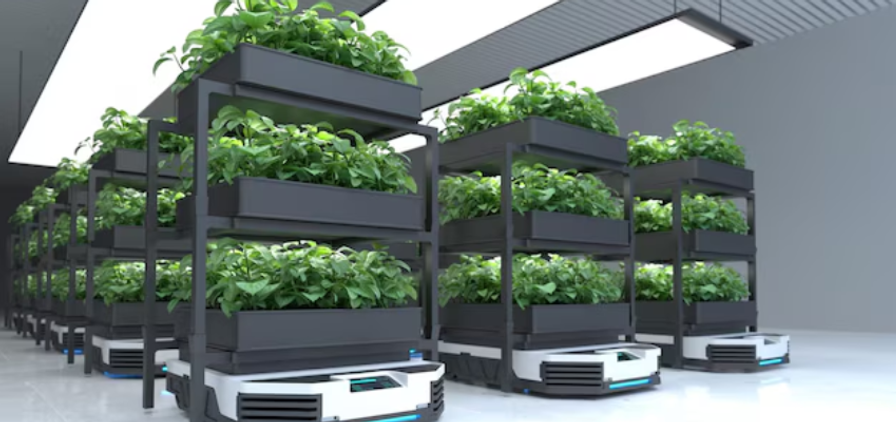
The future of urban farming looks promising.
More businesses are investing in:
- ●Smart farming technology
- ●Automated growing systems
- ●Sustainable food production
- ●Local supply chains
As consumer demand for fresh local produce continues growing, indoor farming will likely become an even bigger part of Rochester’s food industry.
Vertical farming is slowly moving from a niche idea to a mainstream business model.
Final Thoughts
How Vertical Growing Businesses Are Redefining Urban Farming in Rochester is no longer just a discussion about future farming trends. It is becoming a real shift in how cities produce food.
The Vertical Growing Business in Rochester is helping solve modern challenges involving weather, limited farmland, and rising demand for local produce.
Indoor farming allows businesses to grow fresh vegetables year-round while using less space and water compared to traditional agriculture.
There are still challenges involving energy costs and startup investments, but the industry continues expanding because the demand is real.
- ●People want fresher food.
- ●Restaurants want reliable suppliers.
- ●Cities want sustainable farming systems.
- ●Vertical farming manages to support all three at the same time.
A few years ago, growing lettuce inside buildings sounded unusual. Today, it sounds like smart business planning.
Ready to Get Started?
Vertical growing businesses can grow successfully when they combine smart farming technology, strong local partnerships, and efficient production systems. The businesses that adapt faster are the ones producing fresher food, reducing waste, and building reliable customer networks.
BossWorks helps you plan, manage, and grow your vertical growing business with practical strategies for branding, customer engagement, hydroponic setup, inventory management, social media marketing, and business expansion.
Instead of struggling with changing food demand and rising farming challenges, build smarter systems that improve productivity, attract more customers, and help your indoor farming business stay competitive in a growing market.
Frequently Asked Questions
A Vertical Growing Business in Rochester grows crops indoors using stacked farming systems and controlled environments for year-round production.
Vertical farming is growing because it provides fresh local produce, saves water, and works well during Rochester’s long winters.
Lettuce, spinach, kale, basil, mint, and microgreens are among the best crops for indoor farming.
Yes. Indoor farms can become profitable when businesses manage energy costs carefully and secure strong local buyers.
Yes. Hydroponic and aeroponic systems recycle water and use far less water than traditional outdoor agriculture.