How to open a Food truck business in Miami: A Step-by-Step Guide for 2026
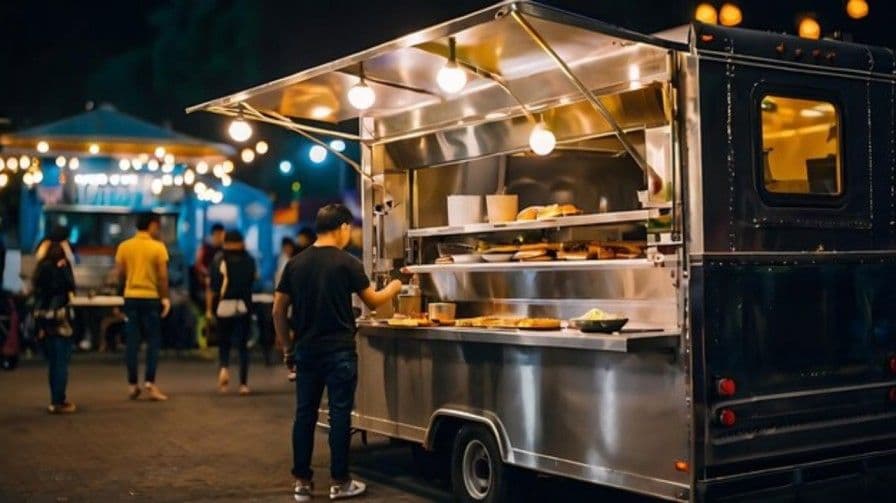
Starting a Food truck business in Miami sounds exciting, and honestly, it is. Sunshine, beaches, tourists, and a city that loves good food make Miami one of the best places to launch a mobile food venture. But before you picture yourself serving tacos with ocean views, there is some real work to do.
The good news is that you do not need a huge investment like a restaurant. The tricky part is understanding permits, costs, and how to actually make money consistently.
What is a Food Truck Business in Miami?

A food truck business is a mobile kitchen where you cook and sell food from a truck instead of a fixed restaurant.
In Miami, food trucks are popular at:
- ●Beaches and tourist areas
- ●Office districts
- ●Night events and festivals
- ●Private catering events
Why Miami is a great place
- ●High tourist traffic all year round
- ●Strong food culture with diverse cuisines
- ●Outdoor-friendly weather
- ●Growing demand for quick and affordable meals
Step-by-Step Guide to Start a Food Truck Business in Miami
Step 1: Choose Your Food Concept
Before anything else, decide what you will sell.
Popular options in Miami:
- ●Cuban sandwiches and Latin food
- ●Seafood snacks
- ●Tacos and Mexican street food
- ●Vegan and healthy bowls
- ●Desserts like waffles or ice cream
Keep it simple. A smaller menu helps you serve faster and control costs.
Step 2: Create a Basic Business Plan
A business plan is just a simple roadmap of your idea.
Include:
- ●Your target customers
- ●Menu and pricing
- ●Estimated costs
- ●Expected daily sales
You do not need a fancy document. Just make sure you know how you will earn more than you spend.
Step 3: Register Your Business
To run a legal Food truck business in Miami, you need to register your business.
Common steps:
- ●Choose a business name
- ●Register as an LLC or sole proprietor
- ●Get an EIN (tax ID)
This allows you to operate legally and pay taxes properly.
Step 4: Get Licenses and Permits
This is the part most people find confusing.
You will need:
- ●Food service license
- ●Mobile vendor permit
- ●Health department approval
- ●Fire safety inspection
- ●Parking permits (depending on location)
Simple explanation
A permit is official permission from the government to run your business.
Without permits, you risk fines or being shut down.
Step 5: Buy or Rent a Food Truck
This is your biggest expense.
Typical costs:
Used Food Truck: $40,000 to $80,000
Best For: Beginners with a limited budget
New Food Truck: $80,000 to $150,000
Best For: Long-term investment and customisation
Renting a Food Truck: $2,000 to $5,000 per month
Best For: Testing the business with a lower upfront cost
Make sure your truck has:
- ●Cooking equipment
- ●Storage space
- ●Proper ventilation
- ●Clean water supply
Step 6: Plan Your Menu and Pricing
Your menu should be:
- ●Quick to prepare
- ●Easy to serve
- ●High in profit margin
Example: If a taco costs $2 to make, sell it for $6 or more.
This difference is called profit margin, which is the money you keep after covering costs.
Step 7: Choose the Right Locations
Location can make or break your business.
Best spots in Miami:
- ●Near beaches
- ●Downtown office areas
- ●Events and festivals
- ●Nightlife zones
Always check local rules before parking.
Step 8: Market Your Food Truck
You do not need a big budget for marketing.
Start with:
- ●Instagram and TikTok
- ●Google Maps listing
- ●Food delivery apps
- ●Local events
Post regularly and show your food in action. People eat with their eyes first.
Why Food Truck Businesses Fail in Miami
Not every food truck succeeds. Here are common reasons:
1. Poor Location Choice: Parking in the wrong area means no customers.
2. Too Much Menu Variety: A large menu slows down service and increases waste.
3. Ignoring Permits: Skipping legal steps leads to fines and shutdowns.
4. High Operating Costs: Fuel, ingredients, and maintenance add up quickly.
5. No Marketing: Even great food will not sell if no one knows about it.
Tips to Grow Your Food Truck Business

- ●Keep your menu focused: Specialise in a few items and do them really well.
- ●Build a loyal customer base: Offer discounts or loyalty cards.
- ●Attend events: Festivals and events bring high traffic and quick sales.
- ●Use social media smartly: Post daily, use trending reels, and share your location.
- ●Track your sales: Know which items sell best and focus on them.
Mistakes to Avoid
- ●Starting without proper licenses
- ●Spending too much on a new truck initially
- ●Ignoring customer feedback
- ●Poor hygiene and cleanliness
- ●Not checking local parking rules
- ●Underpricing your food
Final Thoughts
Starting a Food truck business in Miami is one of the most exciting ways to enter the food industry in 2026. It offers flexibility, lower investment than a restaurant, and great earning potential.
But success does not come just from good food. It comes from smart planning, the right location, proper permits, and consistent marketing.
If you take the time to set things up correctly, your food truck can quickly become a local favourite.
Ready to Get Started?
Starting a food truck business is doable — thousands do it every year — whereas the ones who make it work know their costs inside out and stay organised from day one.
That's where BossWorks comes in. We build a launch plan for your specific business and location, every step, every cost, every deadline.
Frequently Asked Questions
It usually costs between $50,000 and $150,000, depending on the truck, equipment, and permits.
Yes, you need multiple permits, including a food service license and health department approval.
Yes, with the right location and menu, many food trucks make good daily profits due to high tourist demand.
You can park in approved zones, events, or private properties with permission. Always check local regulations.
Tacos, seafood, Cuban sandwiches, and quick snacks are very popular due to the city’s diverse food culture.