How Delivery Integration Is Transforming Supermarket Businesses in Lubbock
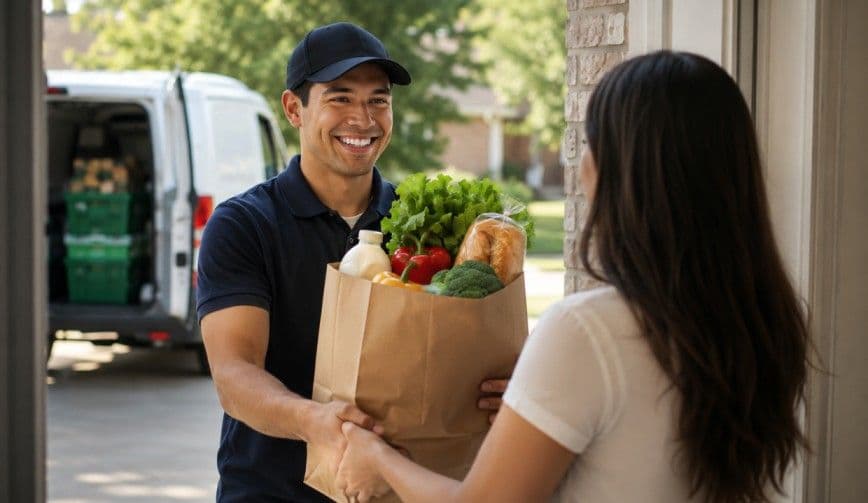
The Supermarket Business in Lubbock is going through a quiet but powerful transformation. Not the dramatic kind where lights flash and alarms ring, but the kind where a customer orders milk from a phone while still in pajamas and expects it to arrive before breakfast burns.
Delivery integration is the main reason behind this change. It has turned traditional supermarkets into hybrid businesses that serve customers both inside the store and online. In simple words, supermarkets are no longer just places you walk into. They are now systems that deliver groceries to your door while you continue watching your favorite show.
In this article, we will explore how delivery integration is reshaping the Supermarket Business in Lubbock, why it matters, and what store owners can expect in the coming years.
What delivery integration really means in supermarkets
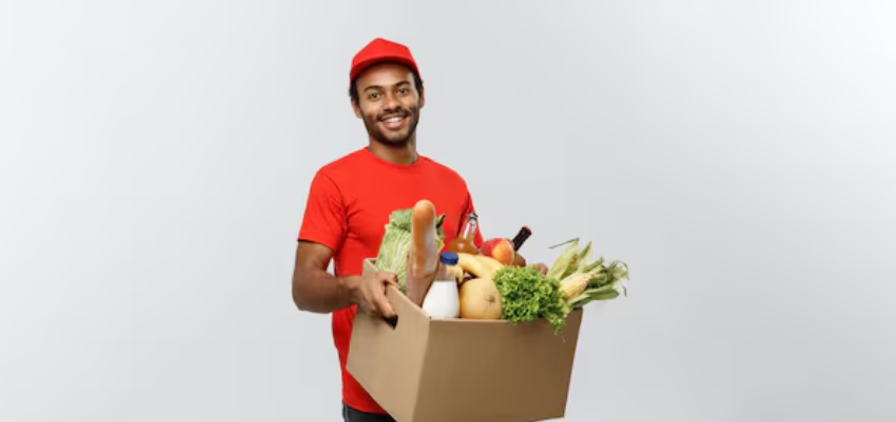
Delivery integration is simply connecting a supermarket’s offline operations with online ordering and delivery systems.
Earlier, a customer had to physically visit the store, pick items, wait in line, and carry everything home. Now, the same process can happen digitally in a few taps.
In the Supermarket Business in Lubbock, this means:
- ●Customers place orders using apps or websites
- ●Orders are directly linked to the store’s billing system
- ●Staff picks and packs items from shelves
- ●Delivery partners bring the order to the customer
It sounds simple, but behind the scenes, it is a well-coordinated system where technology and humans work together like a slightly chaotic but effective team.
Why supermarkets in Lubbock are shifting to delivery systems
Customer expectations have changed faster than most store owners expected. People now value time more than browsing aisles.
The Supermarket Business in Lubbock is adopting delivery integration because:
- ●Customers want faster shopping options
- ●Online grocery apps have increased competition
- ●Mobile ordering has become normal behavior
- ●People prefer doorstep delivery for daily essentials
- ●Contactless shopping is now widely preferred
In short, convenience has officially beaten tradition.
How delivery integration works step by step
Even though it sounds technical, the process is actually easy to understand.
Table How delivery integration functions in supermarkets
| What happens | Simple explanation |
|---|---|
| Online order placed | Customer selects items using app or website |
| Order received | Supermarket system gets the request instantly |
| Item picking | Staff collects items from shelves |
| Packing process | Items are packed and checked for accuracy |
| Delivery assigned | Delivery partner is assigned |
| Final delivery | Order reaches customer’s doorstep |
This system turns a regular supermarket into a smooth running delivery engine. When it works well, it feels almost effortless. When it doesn’t, someone usually blames the onions.
Impact of delivery integration on Supermarket Business in Lubbock
Delivery integration has changed almost every part of supermarket operations.
Earlier, success depended on foot traffic. Now, success depends on digital visibility and delivery efficiency.
Table Traditional supermarket vs delivery integrated supermarket
| Area | Traditional model | Delivery integrated model |
|---|---|---|
| Customer reach | Only walk in customers | Online and offline customers |
| Ordering method | Physical checkout | Mobile app and website |
| Store timing | Limited hours | 24 by 7 ordering possible |
| Inventory tracking | Manual or basic system | Real time digital tracking |
| Competition | Local stores only | Online grocery platforms too |
The biggest change is that supermarkets in Lubbock are no longer limited by location. A customer across town is now just as important as someone standing in the aisle.
Benefits of delivery integration for supermarkets
Delivery integration is not just a tech upgrade. It is a business growth tool.
Key benefits
- ●Higher sales due to online orders
- ●Better customer convenience
- ●Reduced checkout queues
- ●Improved inventory accuracy
- ●Stronger customer retention
It also helps supermarkets understand what customers actually want instead of guessing based on empty shelves.
Challenges faced by supermarkets during integration
Of course, not everything is smooth. If it were, every supermarket would already be doing it perfectly.
Common challenges
- ●High setup and software costs
- ●Staff training difficulties
- ●Managing peak time delivery delays
- ●Maintaining product quality during delivery
- ●Handling cancellations and returns
Many small supermarkets in Lubbock struggle at the beginning because they try to manage online and offline systems without proper structure. It often feels like running two businesses at the same time.
Challenges and simple solutions
| Challenge | Why it happens | Simple solution |
|---|---|---|
| High setup cost | Software and system investment | Start with basic delivery platforms |
| Staff confusion | New digital process | Regular training sessions |
| Delivery delays | High order volume | Use third party delivery partners |
| Stock mismatches | Manual errors | Use automated inventory system |
| Customer complaints | Delivery or packing issues | Improve tracking and communication |
Technology driving supermarket transformation
Technology is the backbone of delivery integration. Without it, everything falls apart quickly.
Important tools include:
- ●POS systems for billing and order syncing
- ●Inventory software for stock updates
- ●Mobile apps for customer ordering
- ●GPS tracking for delivery monitoring
- ●Notification systems for order updates
These tools make the Supermarket Business in Lubbock faster, smarter, and more organized.
Changing customer expectations in Lubbock
Customers are no longer impressed just by low prices. They want convenience, speed, and reliability.
Modern shopping habits include:
- ●Ordering groceries while multitasking
- ●Choosing delivery over store visits
- ●Comparing prices online instantly
- ●Using digital payments instead of cash
- ●Expecting fast delivery even for small orders
This shift means supermarkets must think like service providers, not just retail stores.
Future of Supermarket Business in Lubbock
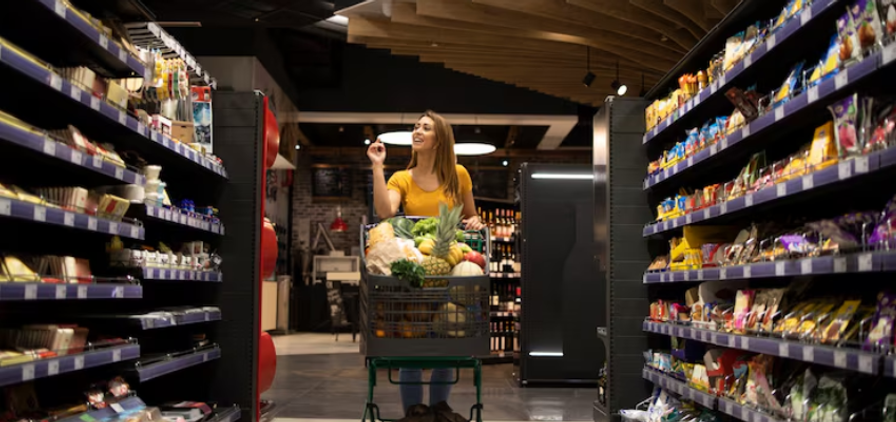
The future is clearly digital and highly automated.
We can expect:
- ●Smarter inventory prediction using AI
- ●Faster delivery systems
- ●More personalized shopping experiences
- ●Growth of hybrid store models
- ●Better integration between online and offline systems
Supermarkets that adapt early will grow faster. Others may find themselves explaining why “delivery takes 3 days” is still a thing.
Final Thoughts
Delivery integration is changing the Supermarket Business in Lubbock from a traditional retail setup into a modern, tech driven service system. It improves convenience for customers and opens new growth opportunities for store owners.
While challenges exist, the long term benefits are much stronger. Supermarkets that invest in the right systems and adapt to customer expectations will remain competitive in a rapidly evolving market.
In simple terms, shopping is no longer just about visiting a store. It is about how fast the store can reach you.
Ready to Get Started?
Running a supermarket today is no longer just about shelves, stock, and checkout counters. The Supermarket Business is evolving fast, and delivery integration is now a key driver of growth and customer convenience.
BossWorks helps supermarket owners and aspiring retailers plan and adapt to modern retail trends with clarity, without confusion or costly trial and error.
✓ Understand how delivery integration can increase your sales and customer reach
✓ Learn how to set up simple online ordering and delivery systems for your store
✓ Identify technology tools that improve inventory, billing, and order management
✓ Reduce operational mistakes by mapping workflows for both in-store and online customers
Frequently Asked Questions
It is the connection of offline supermarket systems with online ordering and delivery services.
It helps businesses increase sales, serve more customers, and stay competitive with online grocery platforms.
Yes, even small stores can reach more customers and improve efficiency with online ordering.
POS systems, inventory software, delivery tracking tools, and mobile apps are commonly used.
It can be challenging initially, but simple tools and training make the process manageable over time.