What If the First Few Months of Your Salt Lake City Grocery Store Are Quiet?
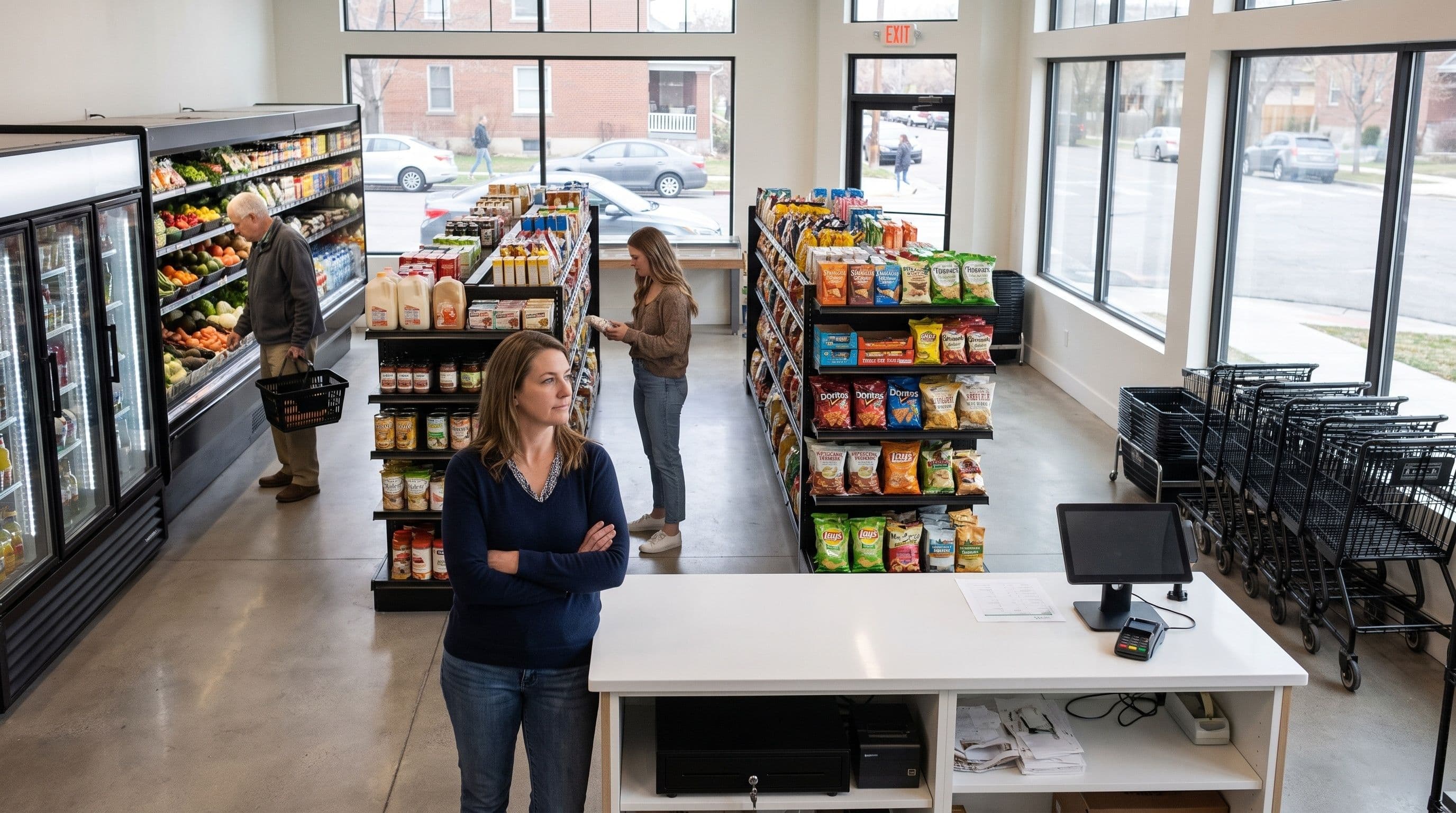
The shelves are stocked, the sign is lit, and your Salt Lake City grocery store is finally open. Instead of a steady stream of shoppers, you may spend some afternoons watching the door.
For a first-time owner, this can feel alarming. You invested in the location, inventory, equipment, and opening, so a quiet store can quickly make you question everything.
The first few months are often more about building shopping habits than seeing immediate traffic. The important part is knowing what the quiet period is telling you, avoiding panic decisions, and giving yourself time to review the business.
Why the First Few Months Can Feel So Slow

People already have grocery-shopping routines. They know where they usually buy milk, produce, snacks, and household items. A new Salt Lake City grocery store has to give them a reason to change part of that routine.
You may also see a difference between opening week and an ordinary Tuesday. Curious neighbors might visit when you first open. That does not automatically turn into weekly customers.
Instead of comparing your Salt Lake City grocery store with an established competitor, look at your own progress:
- ●Are new people discovering the store?
- ●Are some customers returning?
- ●Which products are selling regularly?
- ●What are shoppers asking you to stock?
- ●Are certain days or hours becoming busier?
A quiet beginning does not tell you everything. The pattern behind the quietness matters more.
For a deeper breakdown, check out all you need to know about the home service business
What Is the Quiet Period Actually Telling You?
Slow days give you time to observe.
Pay attention to who walks through the door and what they buy. If parents regularly come in for dinner items, that tells you something about your local demand. If customers repeatedly ask for products you do not carry, that gives you another clue.
Keep track of:
- ●Fast-moving products
- ●Items that sit on the shelves
- ●Frequently requested products
- ●Busy and quiet hours
- ●Customers who return
- ●Common questions or complaints
You do not need extensive research. Your first customers are already giving you information about the neighbourhood.
How Do You Get the Neighbourhood to Notice You?
A grocery store does not need a huge marketing campaign to become familiar locally. Start with the basics.
Make sure people can easily see that your Salt Lake City grocery store is open, understand what you sell, and find accurate information about your location and hours.
You can also build awareness through local actions:
- ●Encourage satisfied customers to tell neighbours about your Salt Lake City grocery store.
- ●Keep your storefront clean and easy to recognize.
- ●Build relationships with nearby businesses.
- ●Use simple promotions that make sense for your store.
- ●Keep your online business information accurate.
- ●Offer consistent, friendly service.
The goal is not to create noise. It is to become familiar to the people who live nearby.
Read More | Grocery Store Business in Albuquerque: A Quiet Business That Never Stops Earning.
What Should You Avoid Doing Out of Panic?
A quiet register can make an owner want to change everything at once. That is usually when small problems become expensive ones.
Avoid:
- ●Cutting prices aggressively
- ●Ordering large amounts of slow-moving inventory
- ●Changing the entire product mix after a few bad days
- ●Cutting useful opening hours too quickly
- ●Spending heavily on advertising without tracking results
- ●Making major decisions based on one slow week
Make one change at a time and watch what happens. A grocery store needs time for customer habits and purchasing patterns to become visible.
Slow Start or Warning Sign?
Not every quiet store has the same problem. Look at the difference between temporary slowness and repeated patterns.
| Early Pattern | What It May Mean | What to Watch |
|---|---|---|
| A few customers return regularly | Early habits are forming | Repeat visits |
| Some products sell consistently | Product demand is becoming clearer | Stock levels |
| Customers ask for missing products | Local needs may differ from your plan | Product requests |
| Almost no repeat customers | Customers may not see enough reason to return | Feedback and buying patterns |
| Products consistently remain unsold | Inventory may not match demand | Future orders |
| Expenses keep becoming harder to cover | Cash flow may need closer attention | Costs and available cash |
No single sign automatically means the business is failing. Look for patterns that continue over time.
Thinking of starting a retail business? Start smart with a proven plan designed for steady sales, repeat customers, and reliable local income.
How Can Small Signs Show That Things Are Improving?
Growth may be difficult to notice at first.
A customer who returns is more valuable than a one-time shopper. Then another familiar face shows up. A product that used to sell sometimes starts moving every few days.
Look for signs such as:
- ●More repeat customers
- ●Steady sales of everyday products
- ●Customers recognizing the store and staff
- ●More word-of-mouth referrals
- ●Predictable busy periods
- ●Customers asking when new stock will arrive
These small changes can show that the store is gradually becoming part of the neighbourhood routine.
How Do You Turn First-Time Shoppers Into Regulars?
Getting a person through the door is only the beginning. A grocery store depends heavily on customers having a reason to return.
That reason does not always have to be a discount.
Focus on things customers notice during a shopping trip:
- ●Everyday products are available when customers need them.
- ●Shelves are clean and organized.
- ●Checkout is reasonably quick.
- ●Staff are helpful.
- ●Store hours are convenient.
- ●Product selection reflects local needs.
If customers learn that they can depend on your store, returning becomes easier than searching for another option.
Read More | AB5 Contractor Law in LA: What Startups and New Businesses Need to Know.
When Should You Look Closely at the Business?
Patience is useful. It should not mean ignoring problems.
Take a closer look if you repeatedly see:
- ●Very few customers returning
- ●Large amounts of unsold inventory
- ●Frequent requests for products you do not carry
- ●Weak local awareness despite consistent effort
- ●Operating expenses putting pressure on cash flow
- ●Customer behaviour that does not match your original assumptions
These signals do not automatically mean you need to close or completely change the business. They mean it is time to investigate what is not working and make adjustments based on evidence.
Give Yourself Real Review Points
Do not judge the store every evening based on that day's sales. Daily numbers can make you overreact.
Instead, set review points during the first few months. For example:
- ●First Few Weeks: Look at customer reactions, product movement, and common requests.
- ●Around 60 Days: Check repeat visits, inventory patterns, operating costs, and customer feedback.
- ●Around 90 Days: Review what has improved, what has stayed flat, and which parts of your original plan need changing.
Writing these observations down makes it easier to see a trend instead of relying on how one particular day felt.
How Should You Plan for a Slow Start?

A grocery store should not be built around the assumption that strong sales will arrive immediately.
Before opening, think about:
- ●Working capital for the early months
- ●Conservative inventory ordering
- ●Monthly operating expenses
- ●Realistic customer-growth expectations
- ●Regular business review points
- ●A plan for adjusting products and spending
Planning for a slower beginning gives you more room to learn without making rushed decisions.
Ready to Make It Real? Turn your business idea into a clear plan and take the next step with BossWorks
Final Thoughts
The first few months of a Salt Lake City grocery store may feel quieter than you imagined. That does not automatically mean the business is going in the wrong direction.
Use the period to understand your customers, identify the products they actually want, watch repeat visits, and learn when your store naturally gets busy.
At the same time, stay honest about the numbers. If problems continue, use your review points to make measured changes rather than hoping they disappear.
A quiet beginning is easier to handle when you planned for it. The goal is not to force growth. It is to understand what your neighbourhood is telling you and build the store around what you learn.
Before You Spend, Know What It Takes
A good business idea should not depend on guesswork. Check your startup costs, market potential, licenses, funding options, and pricing before you make a major decision. BossWorks gives you practical answers tailored to your business and city, so you can move forward with more clarity and less uncertainty.
Frequently Asked Questions
Yes. Customers already have shopping routines, so building awareness and repeat visits takes time.
Look for patterns. Repeat customers are a positive sign, while low repeat visits, unsold inventory, and rising costs may need attention.
Avoid aggressive discounts, over-ordering inventory, cutting useful hours, and spending heavily on untracked advertising.
Set review points during the first few weeks, around 60 days, and around 90 days to check sales, customers, inventory, and costs.
Keep essential products available, maintain a clean store, provide helpful service, and make shopping convenient.