How First-Time Entrepreneurs Can Start a Food Truck in Austin
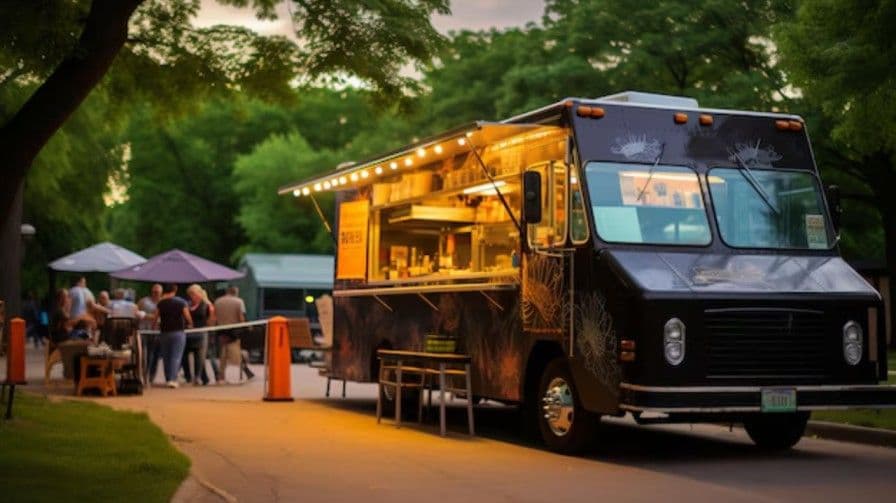
A food business in Austin is an exciting venture to explore, but if you are a first-time entrepreneur, it can also feel overwhelming. The good news? A food truck in Austin is one of the most flexible and low-risk ways to enter the food scene. Unlike opening a full-scale restaurant, a food truck lets you start smaller, experiment with menus, and move to where customers are. In this guide, we’ll break down everything you need to know, from costs to marketing, mistakes to avoid, and tips to grow.
Austin is famous for its vibrant food culture. From classic barbecue to gourmet tacos and inventive fusion dishes, people here love trying new flavours. That’s why a food truck in Austin is not just an option, it’s an opportunity.
With a food truck, you can bring your unique dishes directly to busy streets, office areas, and festivals. You avoid the high rent of a restaurant and have the freedom to test your menu ideas in different neighbourhoods. But just because it’s mobile doesn’t mean it’s easy. Planning, understanding regulations, and marketing your food are all essential for success.
What Is a Food Truck and How It Work
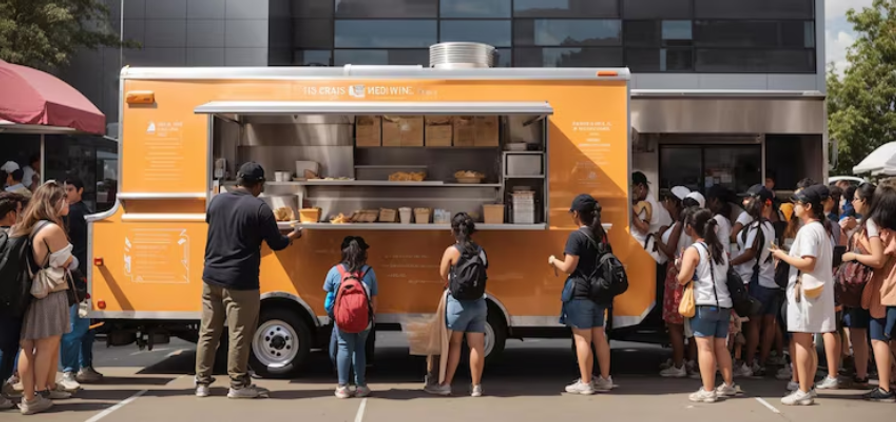
A food truck is essentially a fully functional kitchen on wheels. You cook and sell food from the truck, often at high-traffic areas, events, or popular city spots. It combines mobility with a business model that is easier to start than a traditional restaurant.
Here are the main advantages:
- ●Lower startup costs than opening a brick-and-mortar restaurant
- ●Flexibility to move to high-demand areas
- ●Direct customer interaction for immediate feedback
- ●Menu testing and adaptation without major overhead
Running a food truck involves more than just cooking. You’ll need:
- ●A solid business plan
- ●A mobile food vendor permit
- ●Health and safety permits
- ●Marketing strategies to attract and retain customers
Think of it as running a restaurant on wheels; every decision matters because your space and resources are limited.
Why Many Food Truck Owners Fail
Even in Austin’s popular food scene, not every food truck succeeds. Common pitfalls include:
- ●Poor location choice: Parking in low-traffic areas reduces customer flow. Research foot traffic patterns and popular spots.
- ●Weak marketing efforts: Relying only on passersby limits your reach. Social media and food apps are essential.
- ●Overcomplicated menus: Too many items slow down service and increase ingredient waste.
- ●Neglecting regulations: Ignoring health codes, permits, or city rules can lead to fines or closure.
- ●Uncontrolled costs: Not tracking expenses like fuel, maintenance, or ingredients can eat into profits.
Understanding these challenges before you start helps you prepare better and reduces the chance of early failure.
Tips to Improve and Grow Your Food Truck Business
Here are actionable strategies to make your food truck in Austin successful:
Choose Your Niche
Specialise in one type of cuisine or a signature dish. For example, gourmet tacos, vegan bowls, or loaded fries. A focused menu helps with branding and efficiency.
Location Strategy
Pick spots with high foot traffic:
- ●Busy office districts for lunch crowds
- ●University areas for students
- ●Festivals, fairs, and farmers’ markets for high-volume sales
- ●Collaborate with breweries or local events for evening traffic
Marketing and Online Presence
Even a mobile business needs digital visibility:
- ●Use Instagram, Facebook, and TikTok to showcase your food
- ●Register on Google Maps and food apps like Uber Eats or DoorDash
- ●Post regular updates about your location and menu
Operational Efficiency
Space in a food truck is limited, so organise your kitchen smartly. Prepping ingredients in advance, investing in compact equipment, and training staff improve speed and quality.
Customer Loyalty
Encourage repeat visits:
- ●Offer loyalty cards or punch cards
- ●Create combo deals or seasonal specials
- ●Engage customers online to keep them coming back
Networking and Collaboration
Work with other food trucks or local vendors. Sharing locations or participating in food truck parks can increase exposure and reduce individual marketing costs.
Common Mistakes to Avoid

- ●Overcomplicating your menu: Stick to 5–7 dishes that you can perfect.
- ●Ignoring customer feedback: Adjust your recipes and service based on what customers want.
- ●Neglecting marketing: Even the best food won’t sell if people don’t know about it.
- ●Underestimating expenses: Track every cost, from gas to ingredients.
- ●Skipping insurance: Accidents or equipment damage can be costly; insurance protects your investment.
Final Thoughts
Starting a food truck in Austin is a great way for first-time entrepreneurs to enter the food industry. With careful planning, a strong location strategy, and smart marketing, your truck can become a thriving business. Keep your menu simple, serve food people love, pay attention to costs, and embrace customer feedback. Austin’s food scene is always looking for new flavours, and your food truck might just be the next big hit.
Ready to Get Started?
Starting a food truck business is doable — thousands do it every year — whereas the ones who make it work know their costs inside out and stay organised from day one.
That's where BossWorks comes in. We build a launch plan for your specific business and location, every step, every cost, every deadline.
Frequently Asked Questions
Startup costs range from $50,000 to $150,000, depending on the truck, kitchen equipment, and permits.
You’ll need a mobile food vendor permit, a health permit, and possibly parking approvals based on where you operate.
Daily earnings vary: $500–$800 on slow days, $1,000–$1,500 on regular days, and $2,000+ during festivals or busy events.
High-foot-traffic areas, office districts, near universities, festivals, or breweries are ideal. Check local regulations before deciding.
Yes. Many entrepreneurs start part-time to test the market and learn operations before committing full-time.


